Translated with AI


























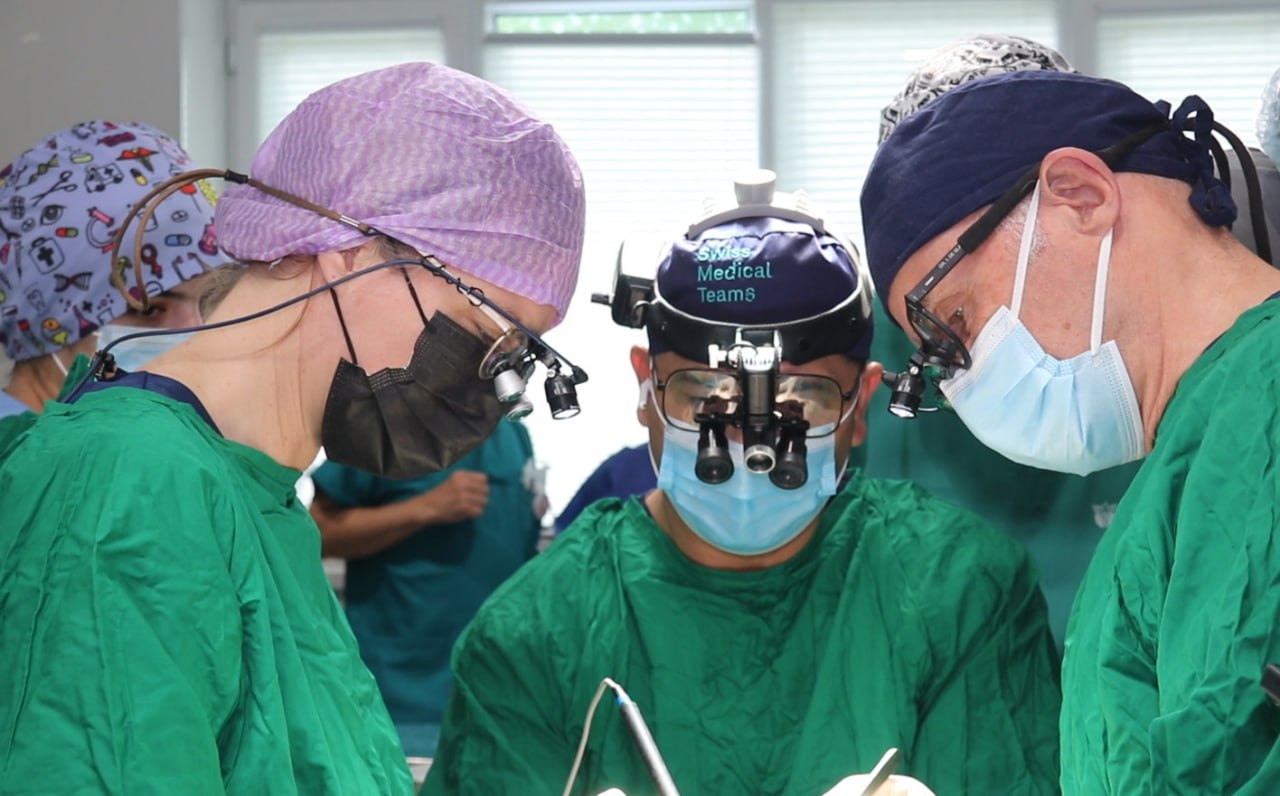
The National Medical Center of Tajikistan "Shifobakhsh" successfully performed one of the country's first complex pediatric surgeries—an anorectal cloacal operation—on a six-month-old child. This was reported by the Ministry of Health and Social Protection of the Population of Tajikistan.
According to experts, this congenital defect in girls is associated with the absence of a vagina, rectum, and urinary tract. In medicine, this condition is called a cloaca, in which all of these organs open to the outside through a single, common channel.
As Shokhin Rakhmonov, MD, Head of the Neonatal and Infant Surgery Department at the Shifobakhsh Center, noted, such surgeries had never been performed at the institution before. Treatment for such pathologies was limited to the first stage—sigmoidectomy.
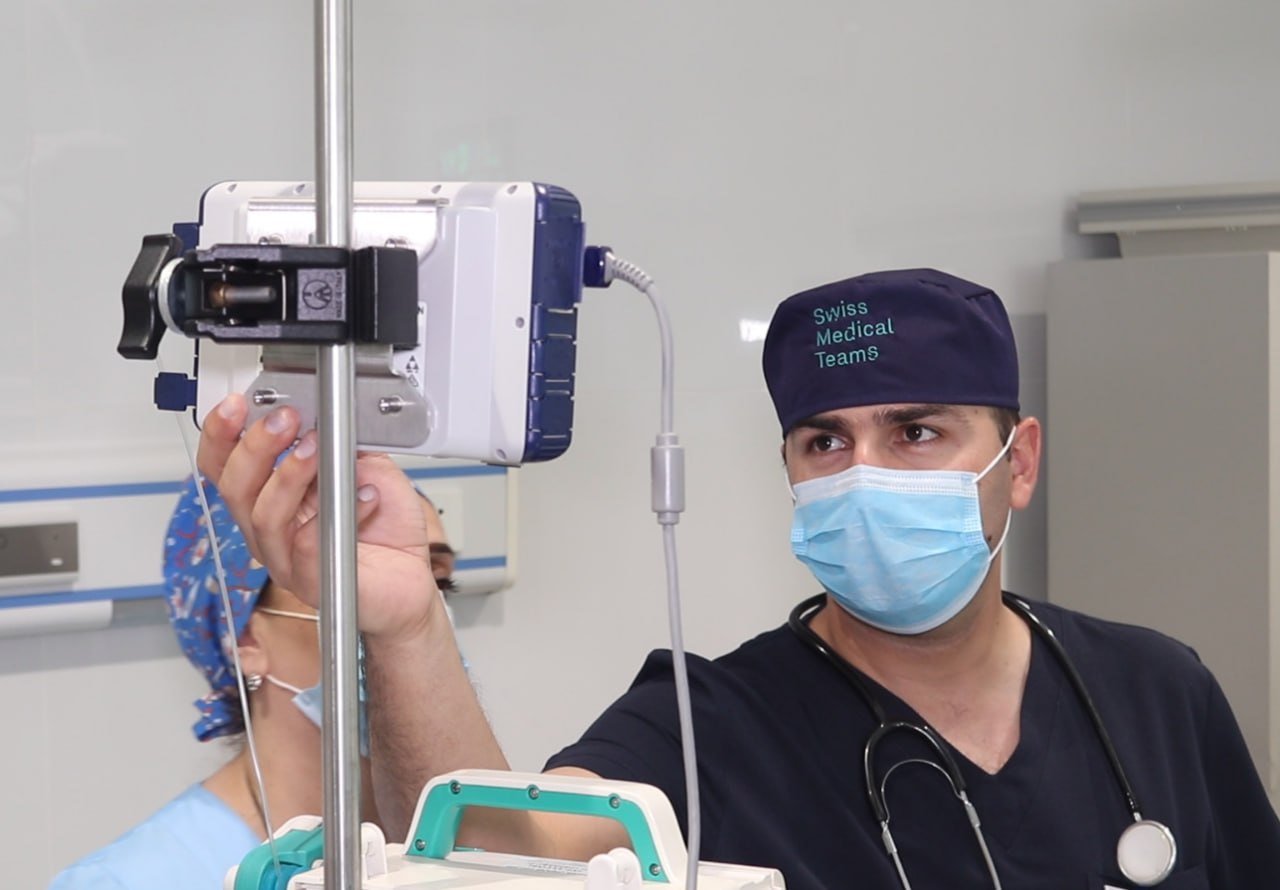
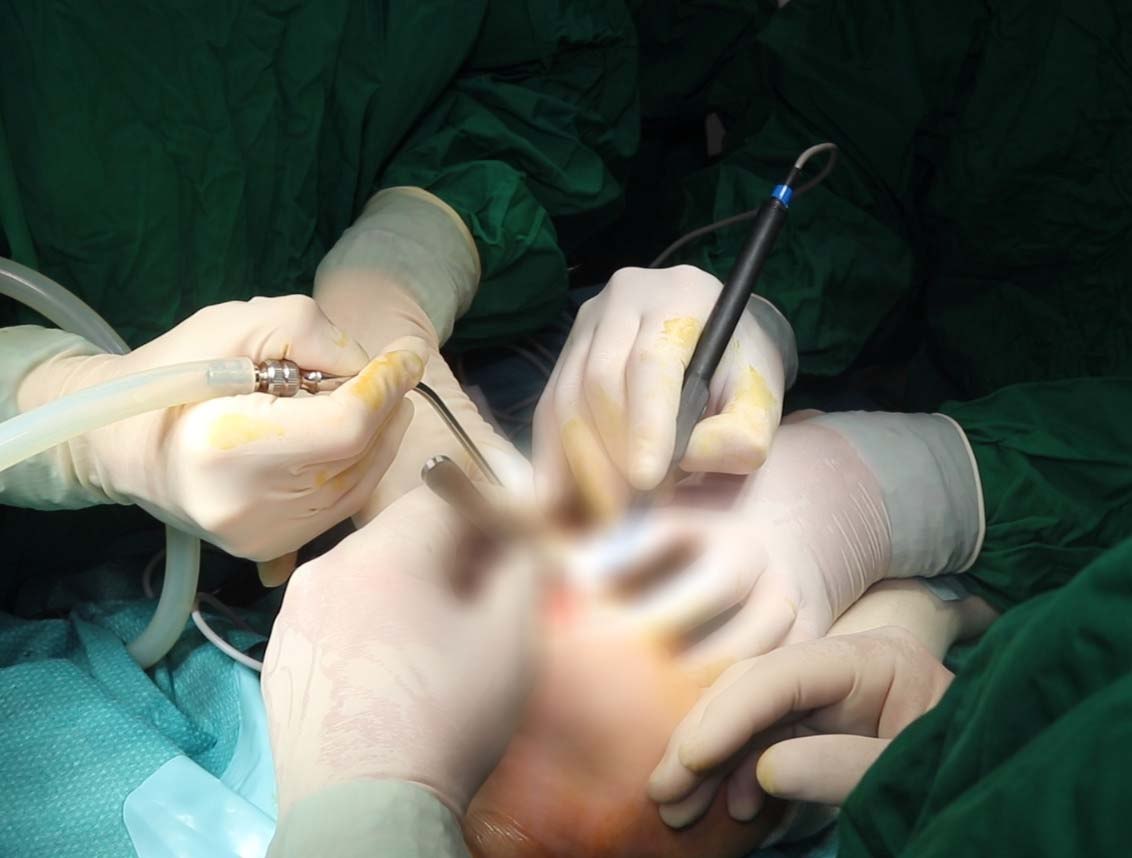
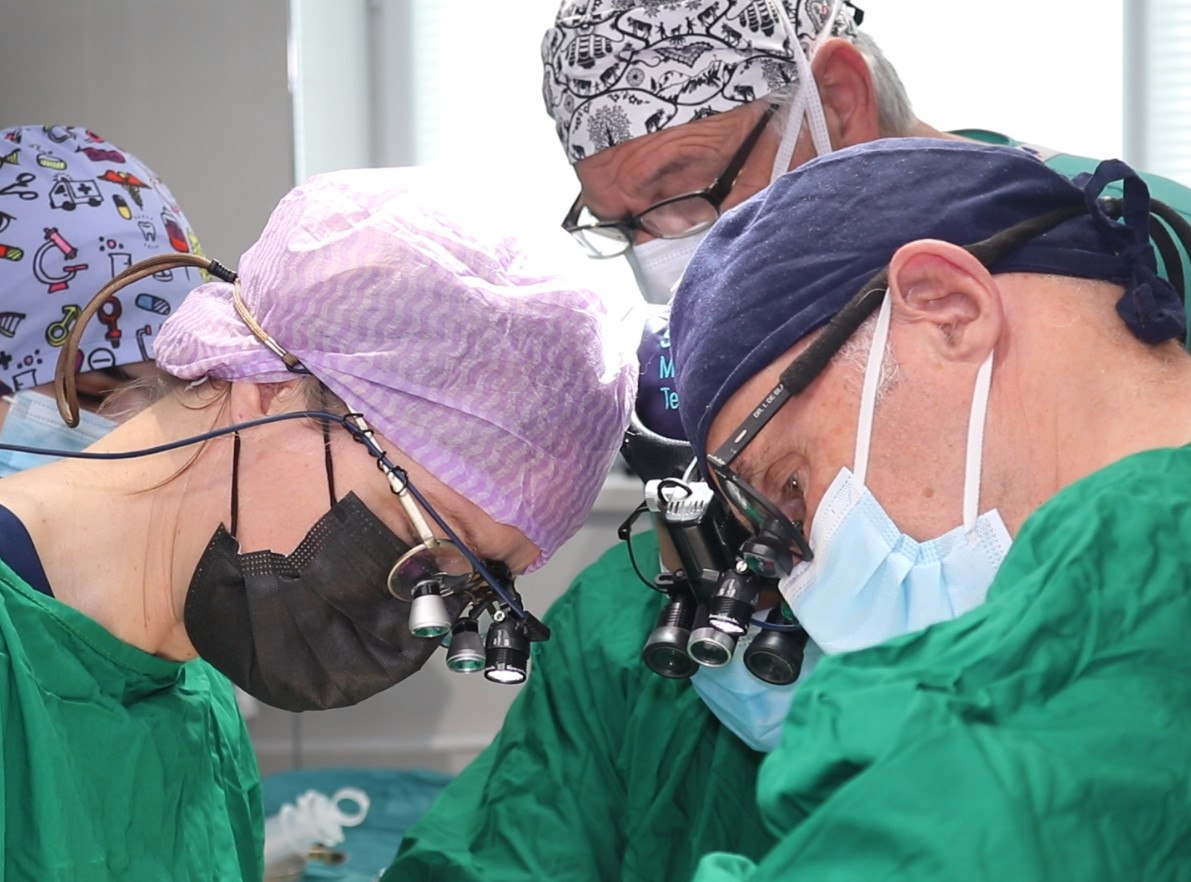
He explained that treatment for such congenital conditions is carried out in stages. The second stage requires occluding the intestinal passage from the abdomen and creating a sigmoid colostomy on the left side. Due to its complexity, this stage had not previously been performed.
According to experts, congenital anorectal defect of the cloacal type occurs in one to two children out of 50 thousand births.
During the surgery, doctors performed a sagittal incision in the sacral region, identified the rectum, separated it from the opening through which it opened into the vagina, and freed the vagina itself. This created a common canal, after which rectoplasty, gynoplasty, and urethroplasty were performed.
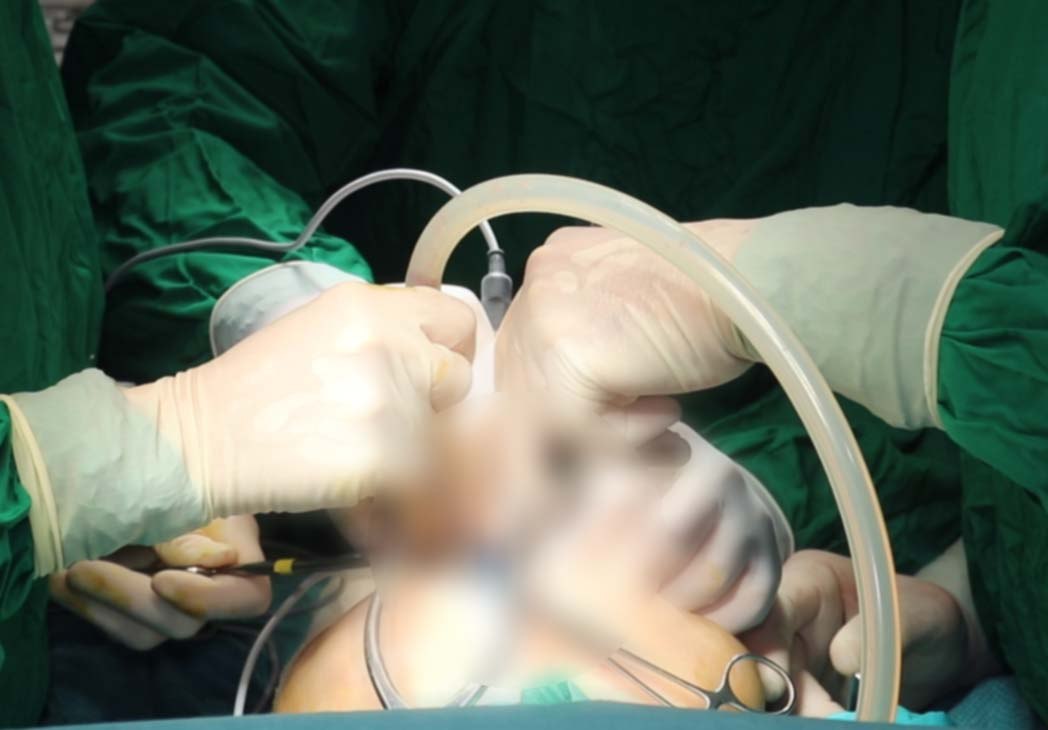
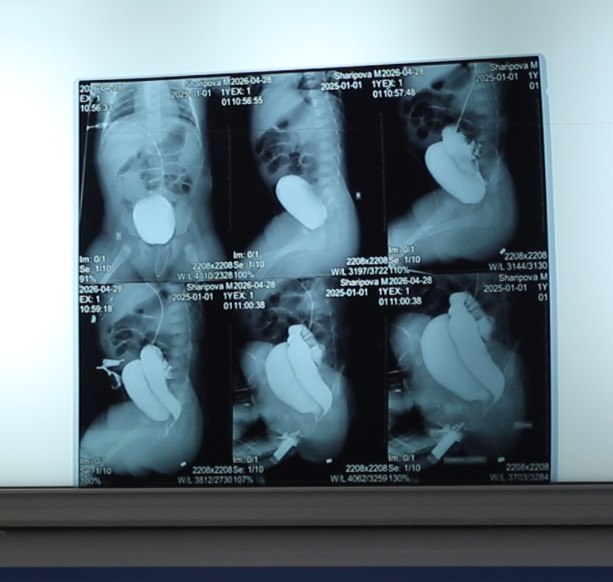
The operation lasted more than six hours and was successfully completed without complications or blood loss.
According to Shokhin Rakhmonov, without timely surgical intervention, such pathologies can lead to serious consequences, including kidney failure, infertility, and even death.
It is noted that the achieved result indicates the development of pediatric surgery in Tajikistan and an improvement in the level of medical care.
Doctors at the Shifobakhsh Center intend to further develop this approach so that rare pediatric surgeries can be performed within the country, and patients are not forced to travel abroad for treatment.