Translated with AI



















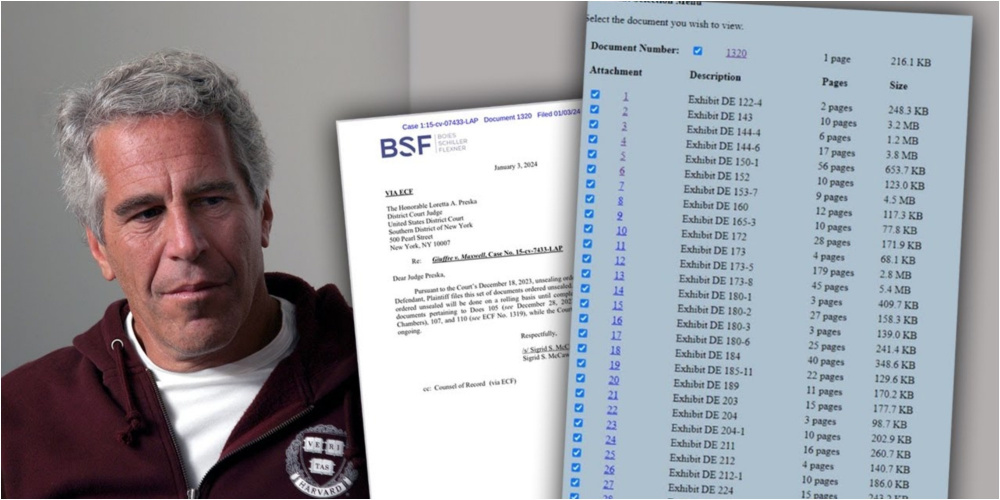
The collection of documents, often referred to in the press as the "Epstein dossier," contains "disturbing and credible evidence" of systematic and widespread sexual abuse, human trafficking, and exploitation of women and girls, according to United Nations experts.
In their opinion, the materials presented indicate the possible existence of a transnational criminal network and indicate actions that may fall under the definition of crimes against humanity.
The experts emphasized that the actions documented could be classified as sexual slavery, reproductive violence, enforced disappearances, torture, inhuman and degrading treatment, and femicide.
"These crimes were committed in a climate of racism, corruption, extreme misogyny and the commercialization of women and girls from different regions of the world," the statement said.
Under international criminal law, crimes against humanity can include sexual slavery, rape, forced prostitution, human trafficking, persecution, torture, and murder if committed "as part of a widespread or systematic attack directed against a civilian population." Experts noted that the patterns of conduct identified in the "Epstein dossier" may meet these criteria and require prosecution in competent national and international courts.
The disclosure of the materials is taking place under the Epstein Transparency Act, signed into law on November 19, 2025. The US Department of Justice released a large data set on January 30, 2026—more than three million pages of documents, two thousand videos, and 180,000 images.
Experts have warned of serious data processing violations: editing errors led to the leaking of confidential information about victims, causing them further harm before the records were retracted. Meanwhile, only one close associate of Jeffrey Epstein is under investigation.
"Grave failures in the disclosure process highlight the need for urgent and victim-focused procedures for handling sensitive material to ensure that no survivor is re-traumatised," the experts said.
Experts have commended the courage and resilience of survivors who continue to seek justice despite significant personal risk. A group of survivors recently met with the UN Special Rapporteur on violence against women and girls.
Experts say failure to protect confidentiality puts women at risk of persecution and stigma, and limited investigations leave many re-traumatized.
UN experts called on the US authorities to address the mistakes made, ensure full disclosure of the criminal network's methods, guarantee compensation to victims, and end impunity. They also emphasized the need to abolish the statute of limitations for serious crimes related to Jeffrey Epstein's activities.
"Any statements about it being time to 'move on' are unacceptable. They constitute a denial of responsibility to the victims," the statement reads.
Experts welcomed the steps taken by individual states to initiate investigations into current and former officials, as well as individuals, featured in the materials. They called on other countries to follow suit.