Translated with AI




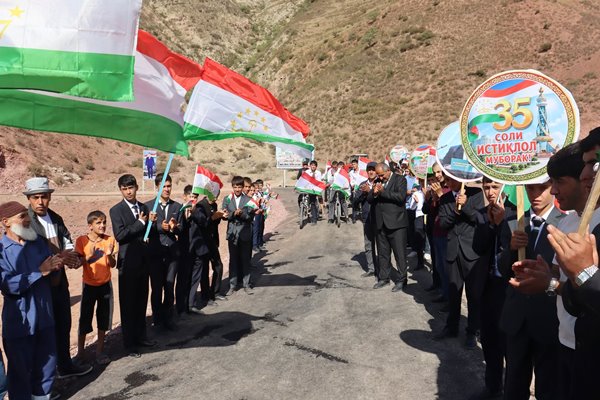










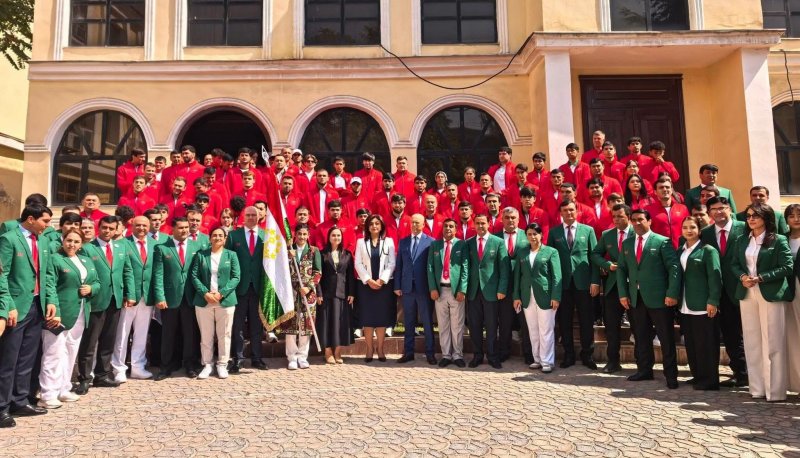










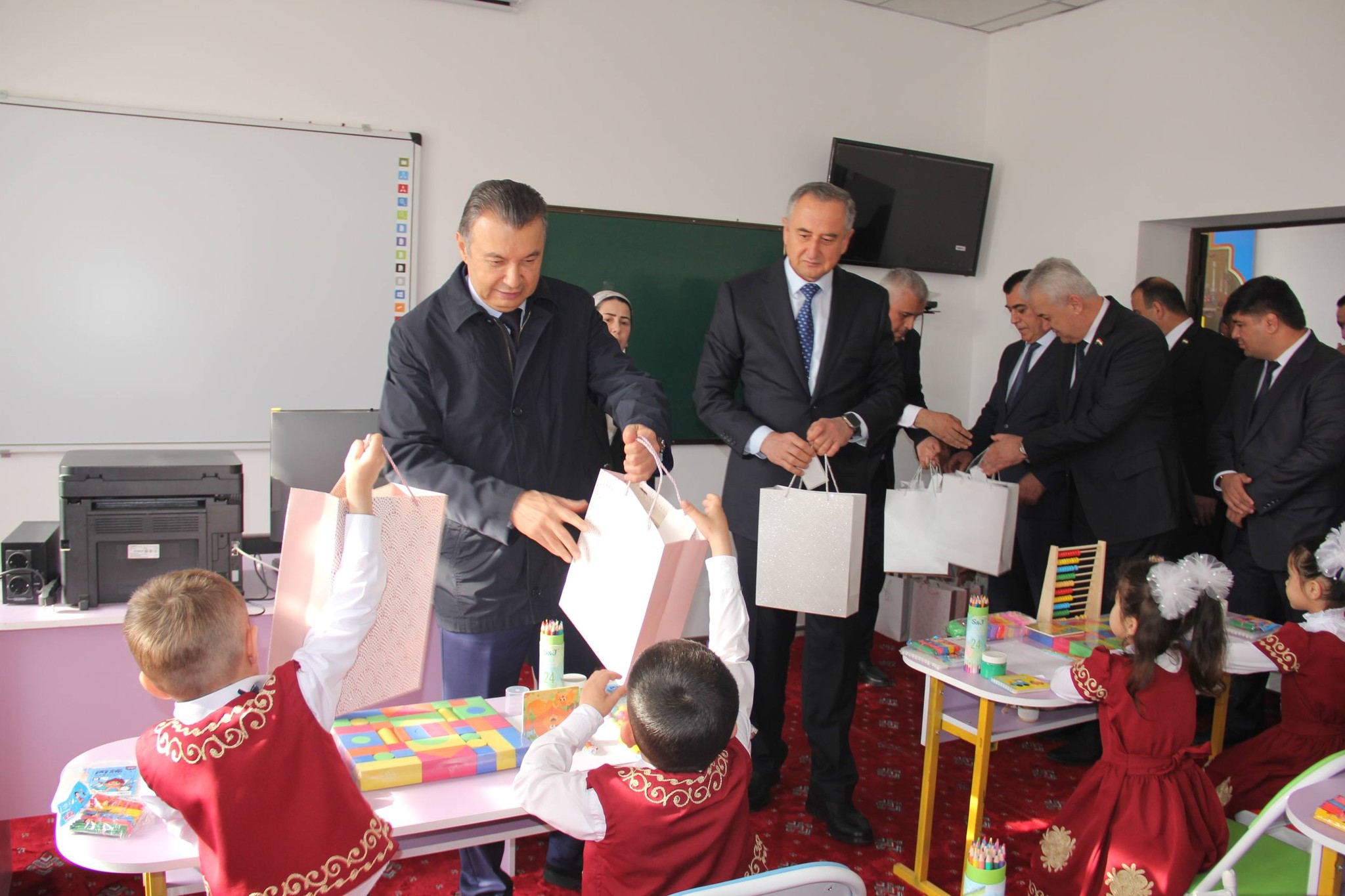
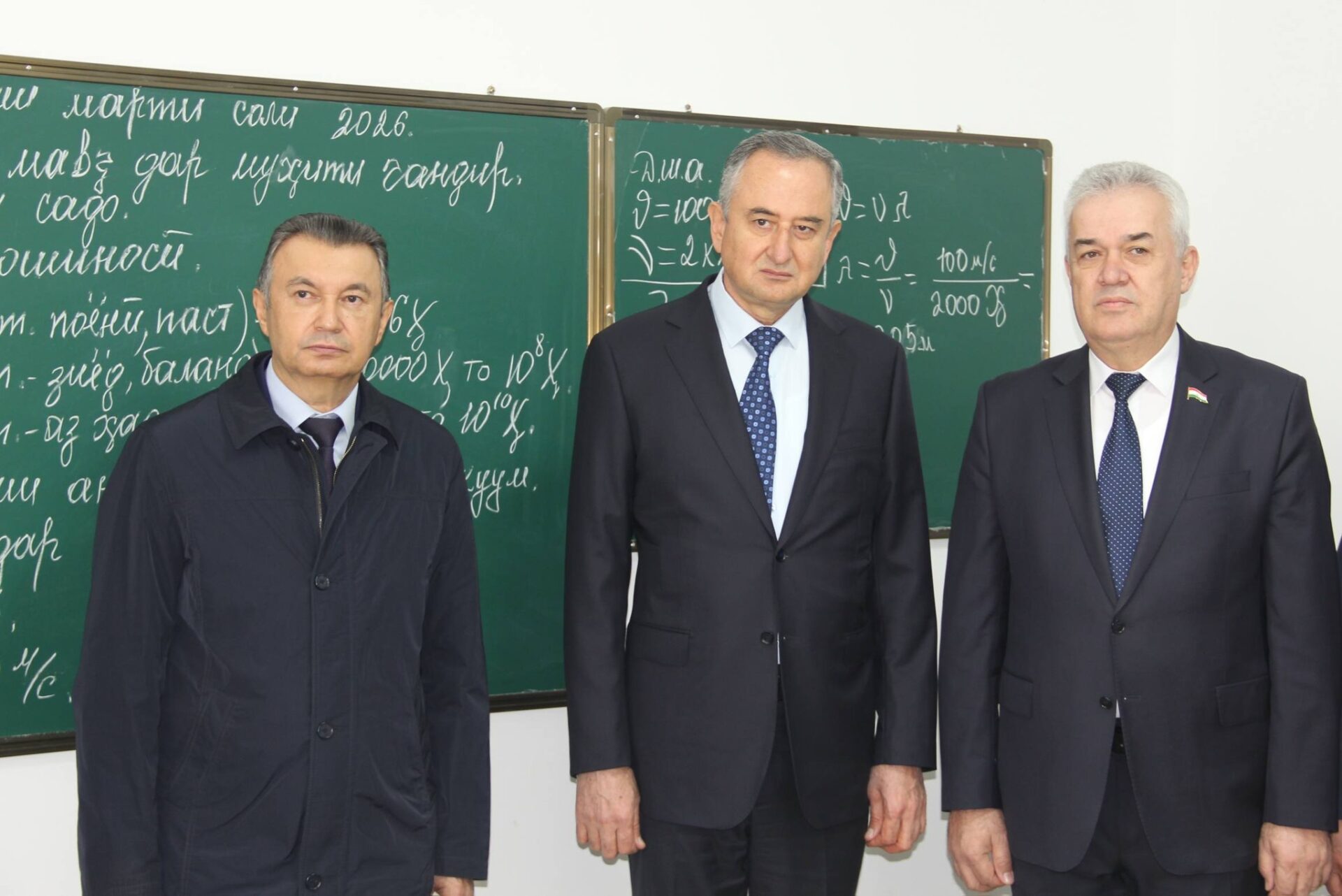
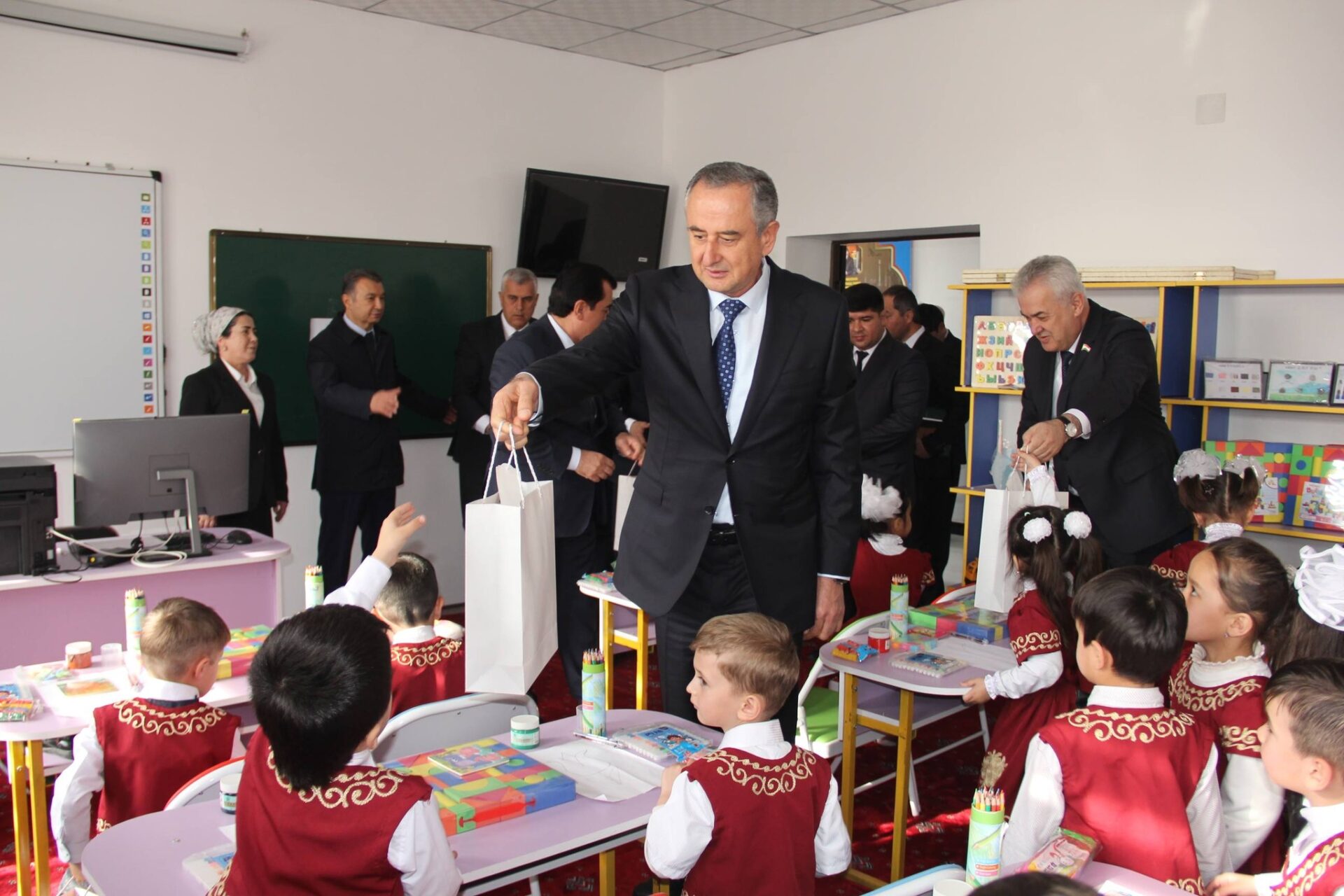
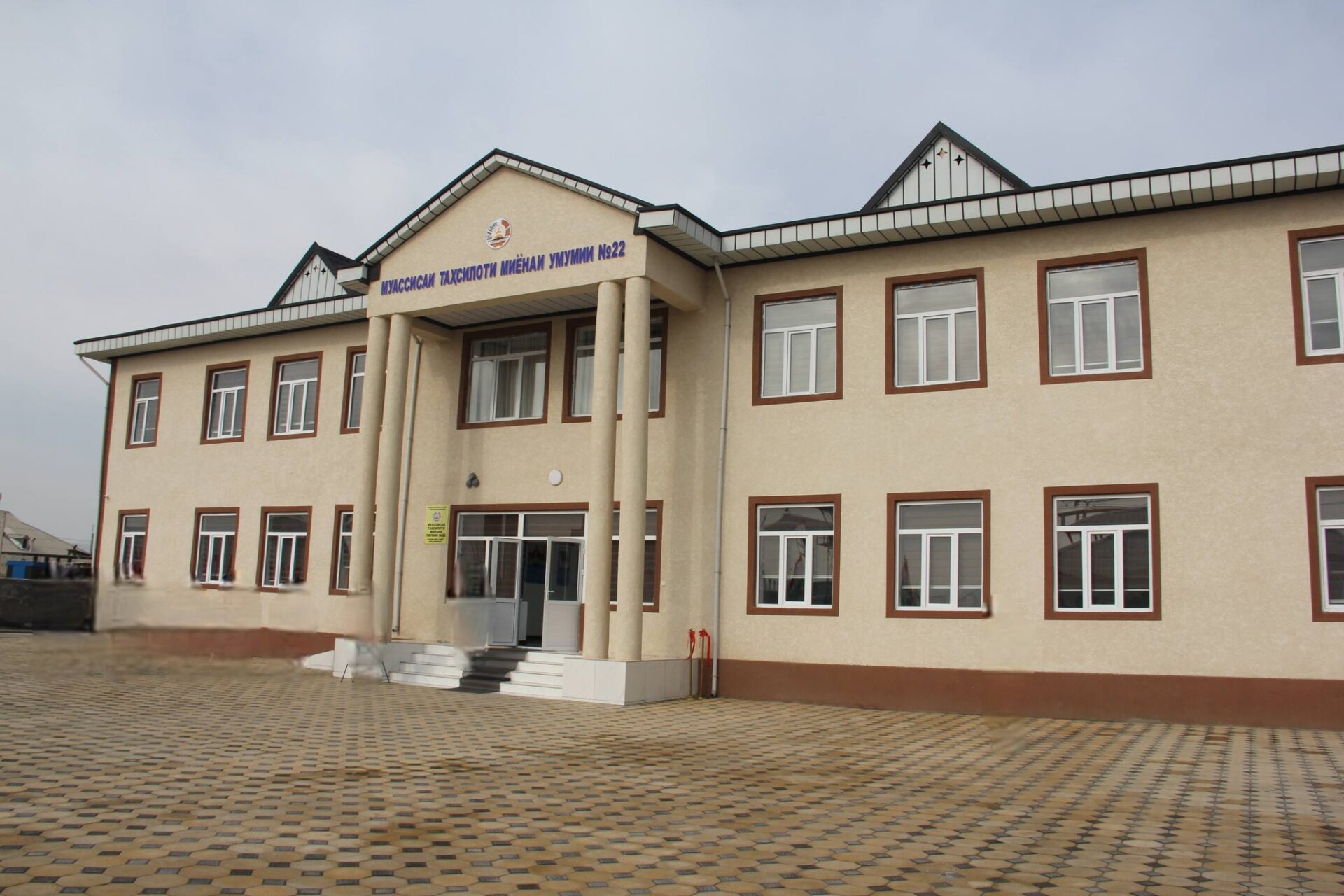
On March 2, during a working visit, Prime Minister Kokhir Rasulzoda, Khatlon Region Chairman Davlatali Said, and Tajikistan Minister of Education and Science Rahim Saidzoda opened Secondary School No. 22, located in the Fazl Nabi mahalla of the Dashtigulo rural jamoat, in Mir Said Ali Hamadoni district. This was reported by the press service of the Khatlon Region Chairman.
The institution was built as part of events dedicated to the 35th anniversary of the state independence of the Republic of Tajikistan and is aimed at strengthening the education sector and creating favorable conditions for student learning.
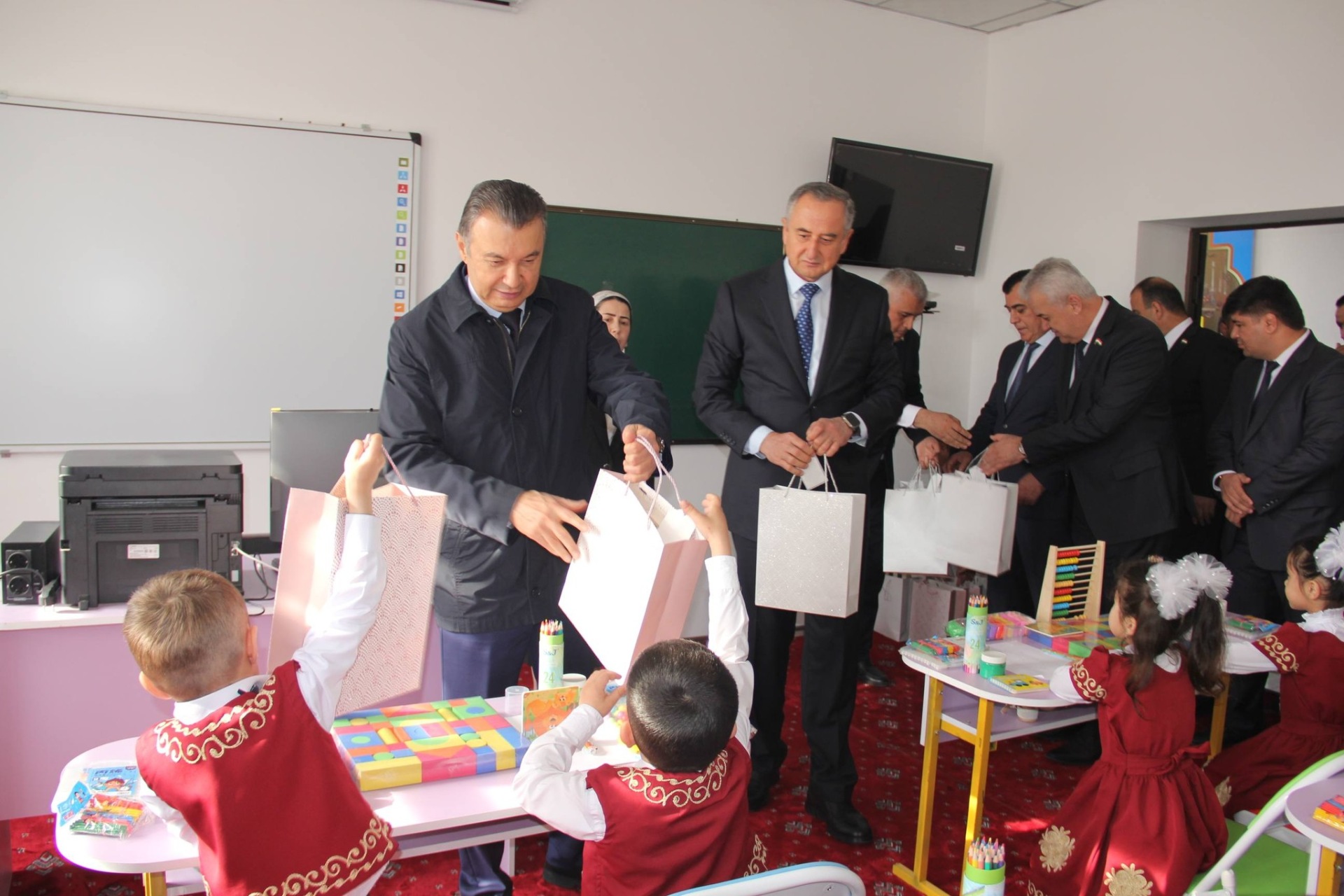
The Fazl Nabi mahalla is located in the northern part of the village of Tagnob in the Dashtigulo rural jamoat and was established in 2013. The mahalla comprises 148 households and is home to 1,038 people. Due to the lack of an educational institution, students were forced to travel more than 3 kilometers daily, crossing the Guliston-Farkhor international road, to attend secondary schools No. 18 and No. 52 in the villages of Tagnob and Fayzobod in the Dashtigulo rural jamoat. Given this need, the construction of a new educational institution in the mahalla is considered an important initiative.
The construction of the school for 240 students was carried out by the contractor Eldorado 05 LLC and is now fully completed.
The customer of the project was the group implementing the project “Reconstruction and continuation of construction of secondary schools”.
The school building consists of two floors and 10 classrooms, including chemistry, biology, physics, a computer room, an early development classroom, a principal's office, a teacher's room, and other classrooms.
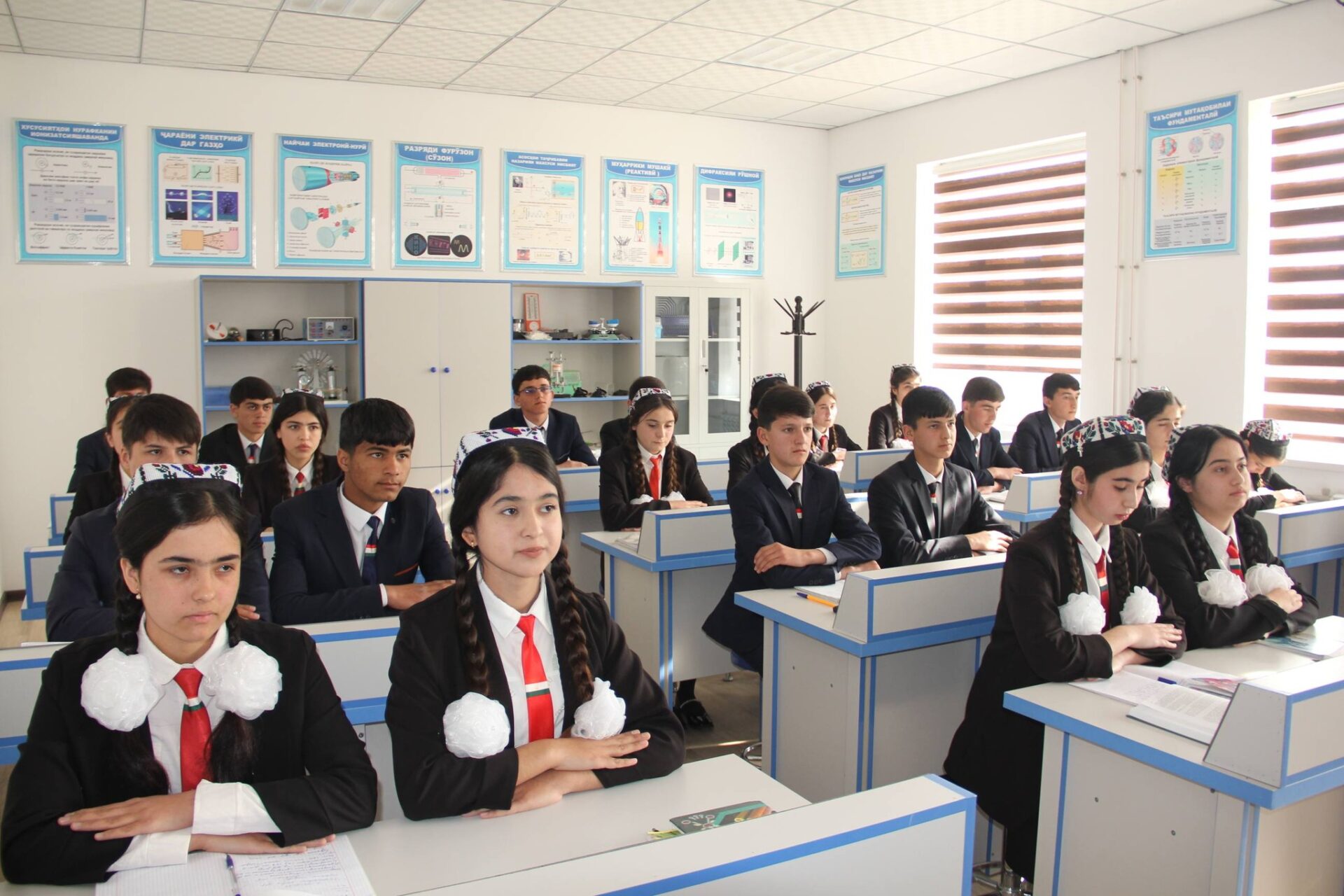
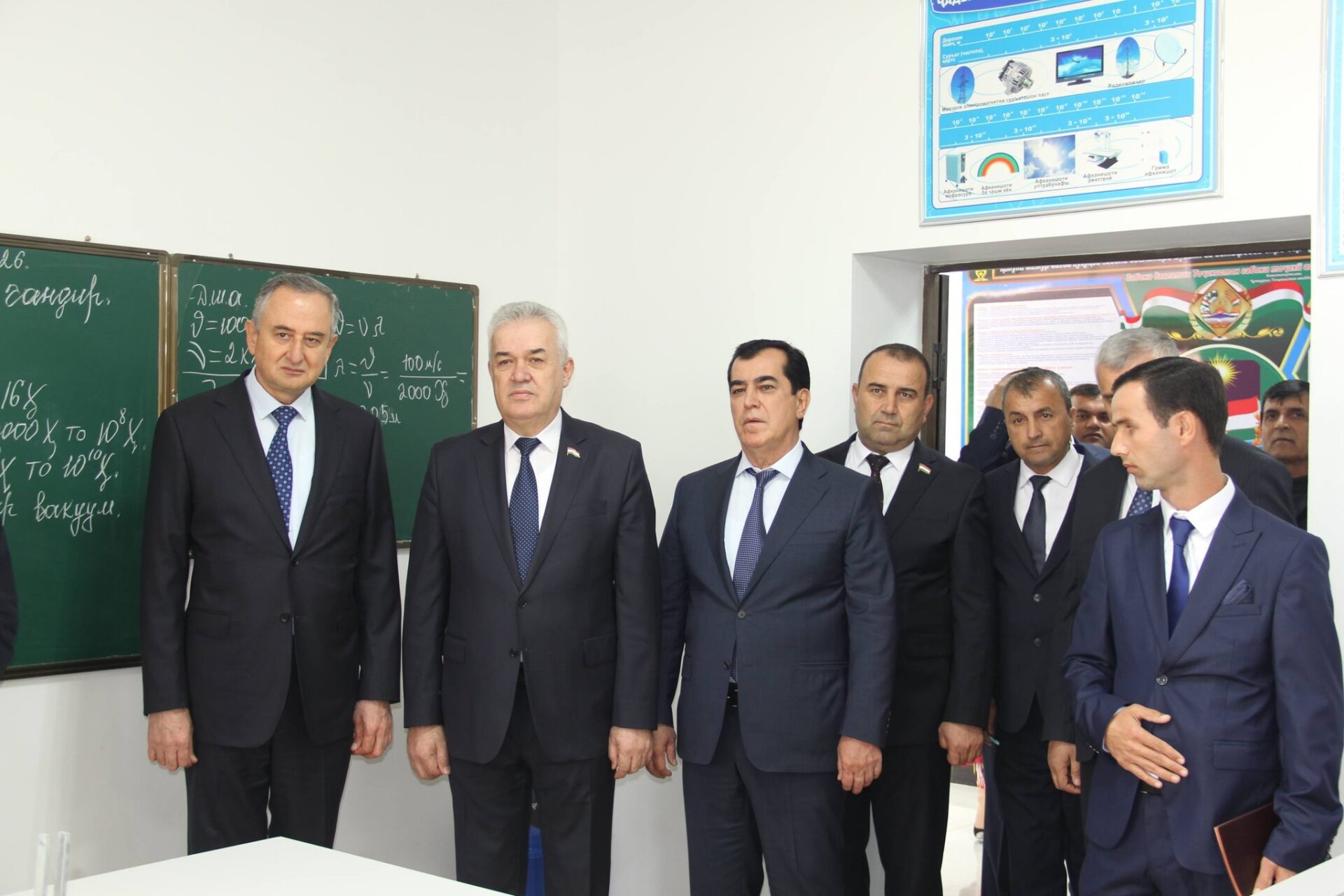
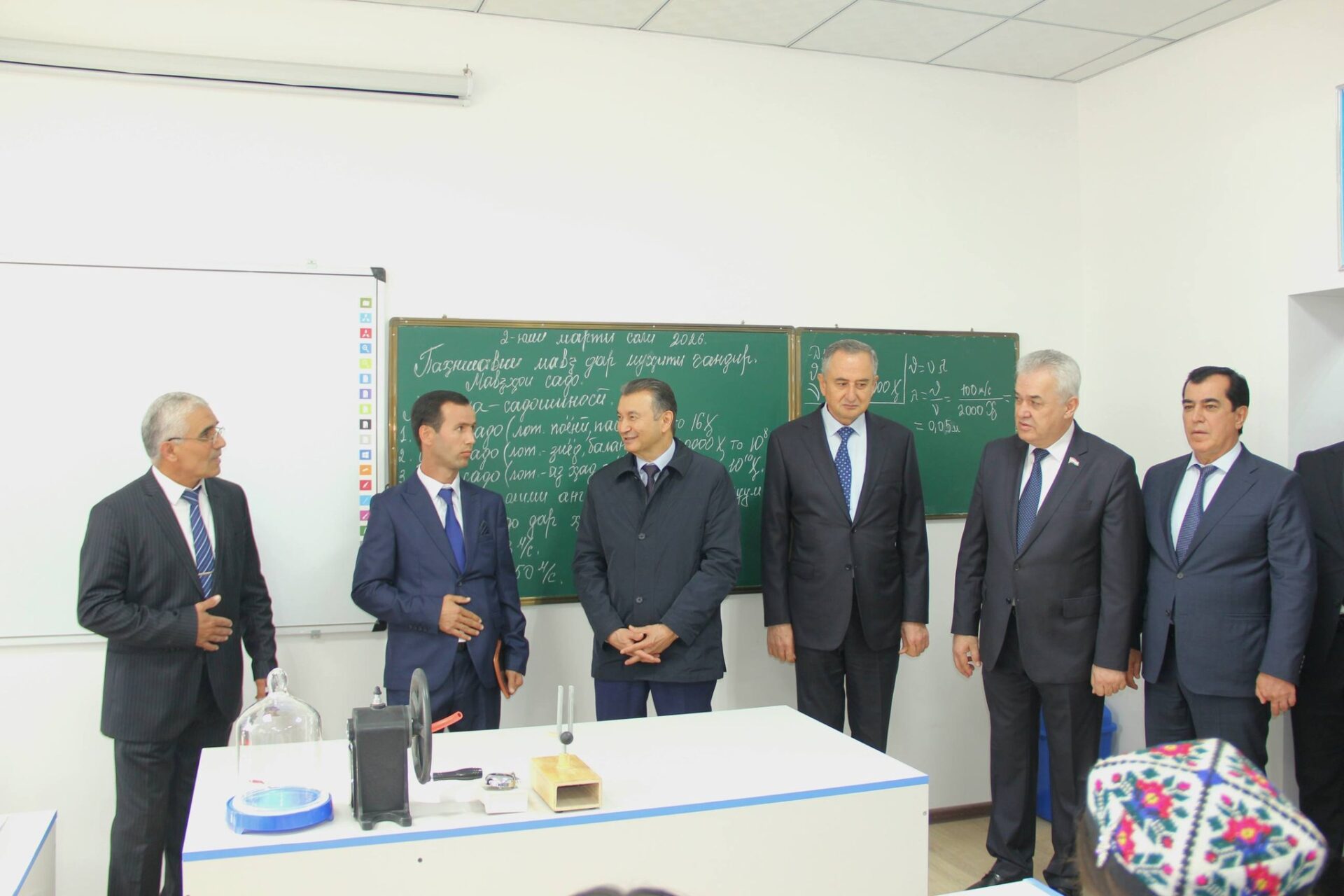
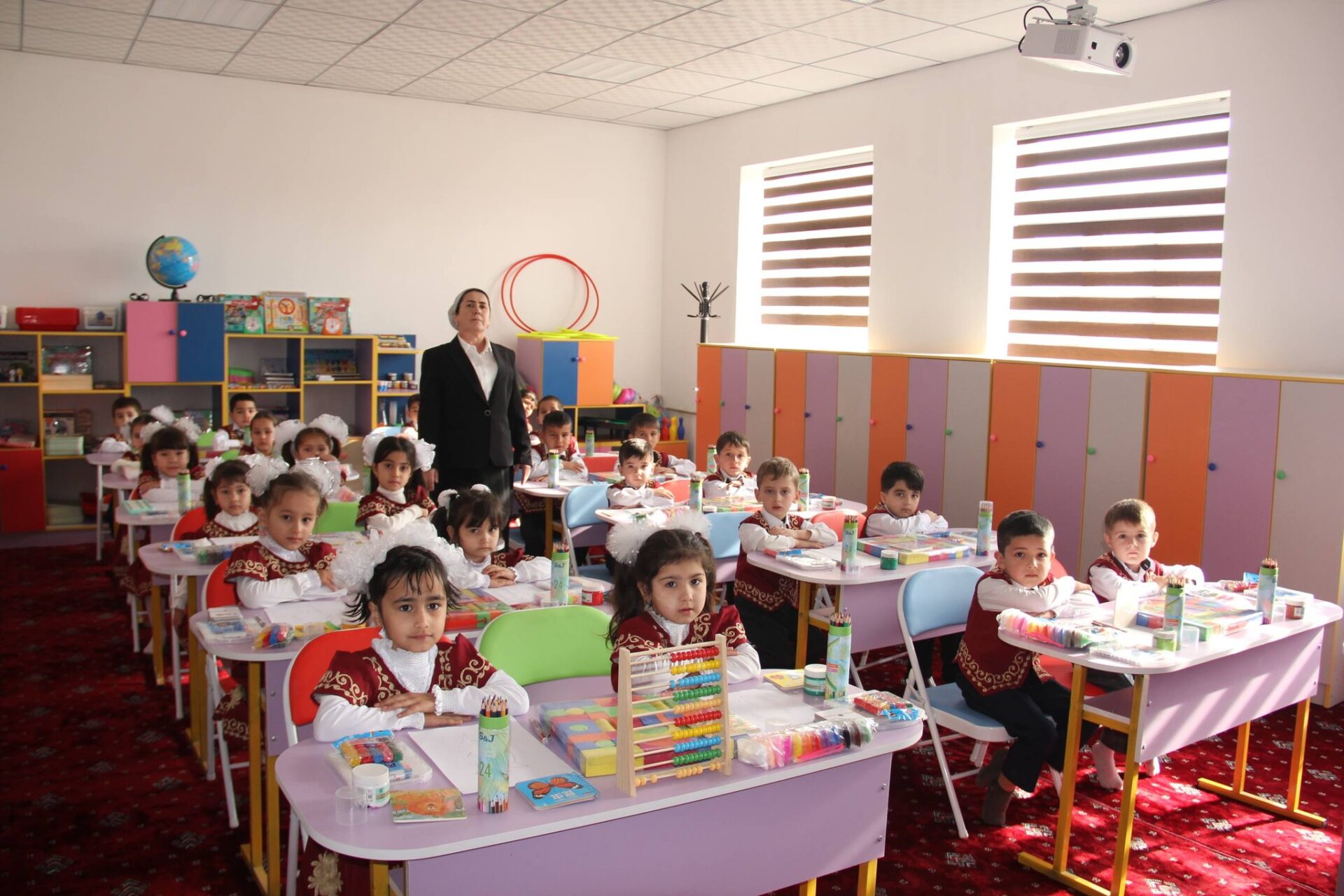
The facility was built at a cost of 6,356,594.31 somoni and is equipped with modern equipment.
The facility is built on an area of 1.3 hectares and has a boiler room, a storage room, a sanitary facility, a 50 cubic meter water tank, and sports grounds, including a football field.
During the opening ceremony, it was emphasized that creating modern conditions for the education of the younger generation is one of the priority areas of the state's social policy, and the construction of such facilities contributes to the improvement of students' knowledge and the further development of the educational sector.