Translated with AI
































World Wildlife Day is celebrated on March 3, 2026. This year, the theme is "Medicinal and Aromatic Plants: Sustaining Health, Heritage, and Livelihoods," according to the UN press service.
Biologist, ethnobotanist, and outgoing co-chair of the IUCN Species Survival Commission's Medicinal Plant Specialist Group, Danna J. Lyman, spoke about the importance of medicinal plants in an interview with the UN News Service.
She told the story of a young monk who asked his mentor if there was a plant that wasn't used medicinally. The teacher sent him on a journey to find such a plant. Years later, the monk returned and admitted he hadn't been able to find a single plant that didn't have medicinal uses. This story, according to Liman, highlights the universal role of plants in human life.
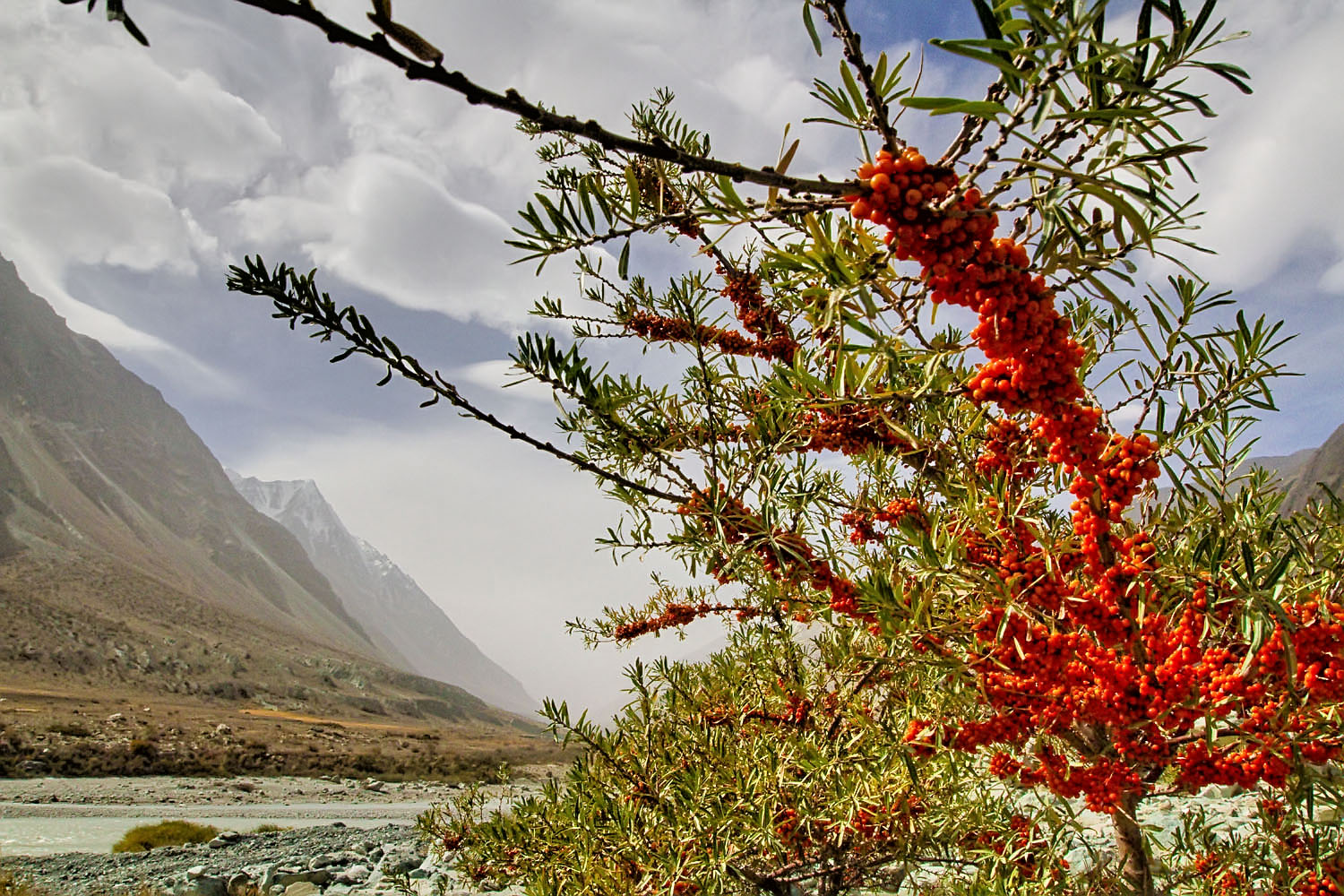
There is no single definition of the term "medicinal plant." Since ancient times, various peoples have used different plant species in traditional medicine. Today, their significance extends far beyond historical practices: medicinal and aromatic plants are found in modern medicines, food products, perfumes, cosmetics, and household chemicals. With growing interest in natural products, issues of sustainable use and preservation of such plants are becoming especially pressing.
According to Lyman, for decades, wildlife conservation was primarily associated with protecting animals. However, in the last 15 years, attention has shifted to a broader range of organisms that support human health and well-being, as well as the sustainability of the entire biodiversity system.
The theme for this year's World Wildlife Day reflects a growing understanding of the key role of plants in ecosystems and economies. Liman emphasized that not only rural communities and traditional medicine users depend on medicinal plants, but also the pharmaceutical industry.
The topic is also linked to the work of the Convention on International Trade in Endangered Species of Wild Fauna and Flora. The Convention's Secretariat coordinates events commemorating the document's signing in 1973. According to Liman, this underscores that this is not just about protecting animals, as many species involved in international trade are plants.
Experts from the Medicinal Plant Specialist Group and the Royal Botanic Gardens, Kew, London, maintain global databases documenting medicinal and aromatic plant species and their uses. According to published data and trade statistics, approximately 30,000 plant species are widely recognized as medicinal or aromatic.
The specialists' work focuses on both rare and endangered species and supporting the sustainable use of common plants. Even popular species can be threatened if demand for them grows faster than sustainable resource management.
Like biodiversity in general, medicinal and aromatic plants face serious threats. Recent assessments of the status of European medicinal plants indicate that risks are linked to agricultural expansion, land use change, and unsustainable wild collection practices.
Climate change is becoming a significant risk factor, especially for species growing in fragile ecosystems such as wetlands or mountainous areas.