Translated with AI




























The Council of Ulema of Tajikistan called on residents of Dushanbe to refrain from distributing food and alms on the city's main roads.
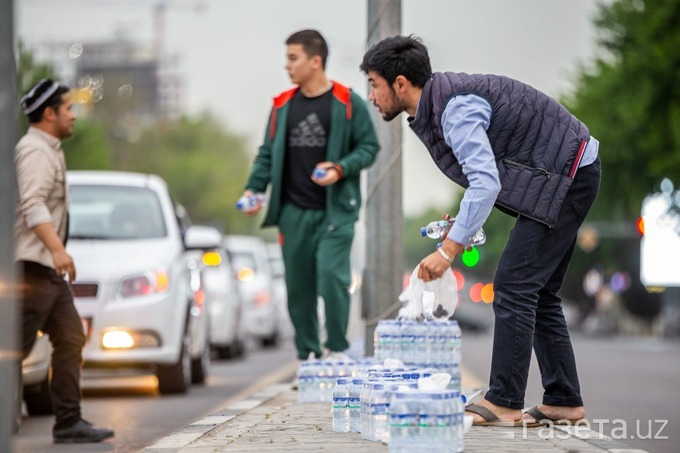
As noted by the religious institution, in recent days there has been a trend of some residents offering food and drinks to drivers and passengers on the capital's main roads during the fast.
According to the Council of Ulema, such actions lead to increased traffic congestion and vehicle delays.
The institution emphasized that rewards for charity and almsgiving are most valuable when assistance is provided to those in need.
The Council of Ulema recalled that the holy month of Ramadan is a time of mercy, compassion, and kindness.
"During this blessed month, our compatriots strive to perform good deeds. However, every believer should know that in Islamic law, every action, including charity, has its own order, system, and etiquette," the Council noted.
Citizens were called upon to give alms and charity in accordance with the requirements of Islamic law, without hypocrisy, to those who truly need help, in particular orphans, the poor, the needy and the disadvantaged.
The Council of Ulema, relying on verses from the Quran, including Surah At-Tawba, reminds that charity is intended primarily for the poor, the needy, orphans, and people in difficult circumstances.
It is also noted that the Committee on Religious Affairs and Regulation of Holidays and Ceremonies of Tajikistan previously denied rumors about a ban or restriction on the iftar campaign.
The Council of Ulema emphasized that there are no restrictions on holding such events, but that excessive luxury is not permitted.