Translated with AI















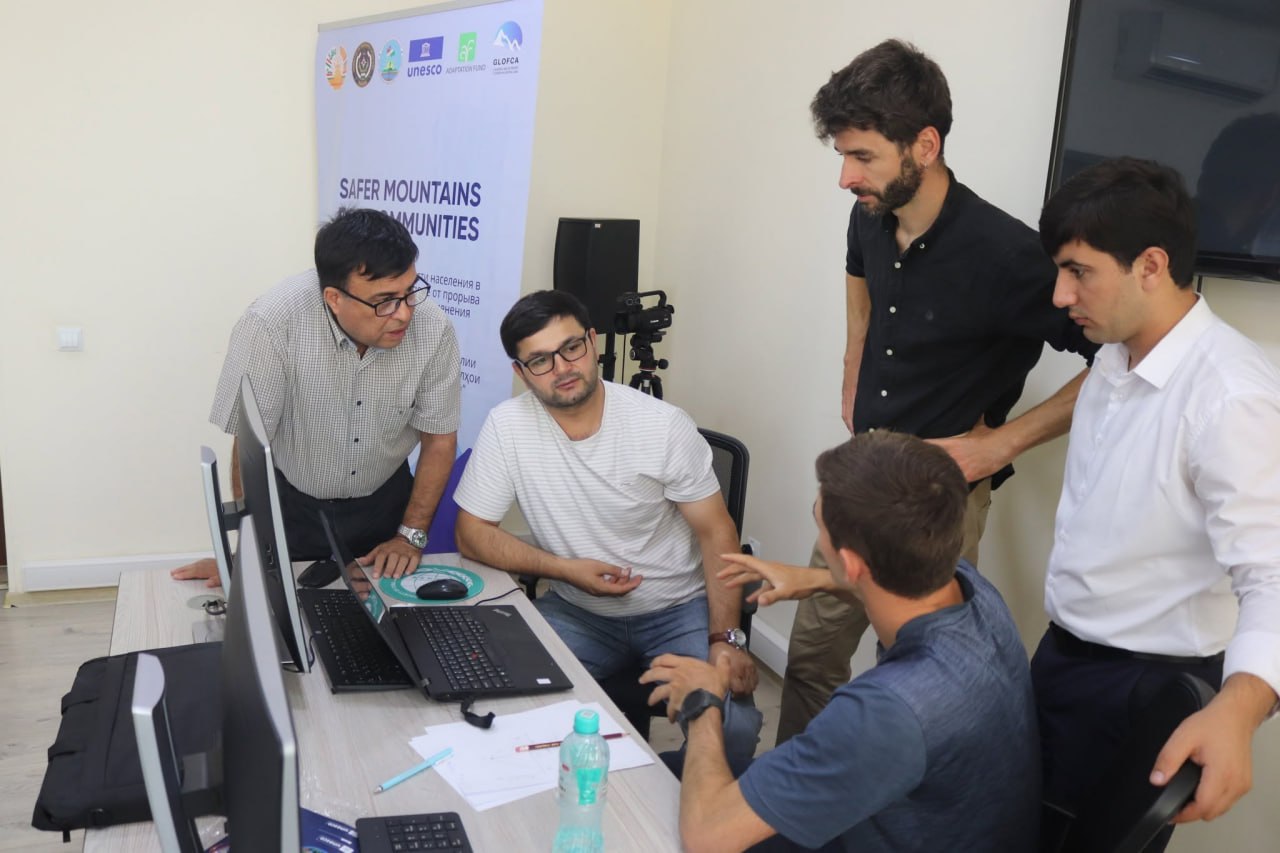

















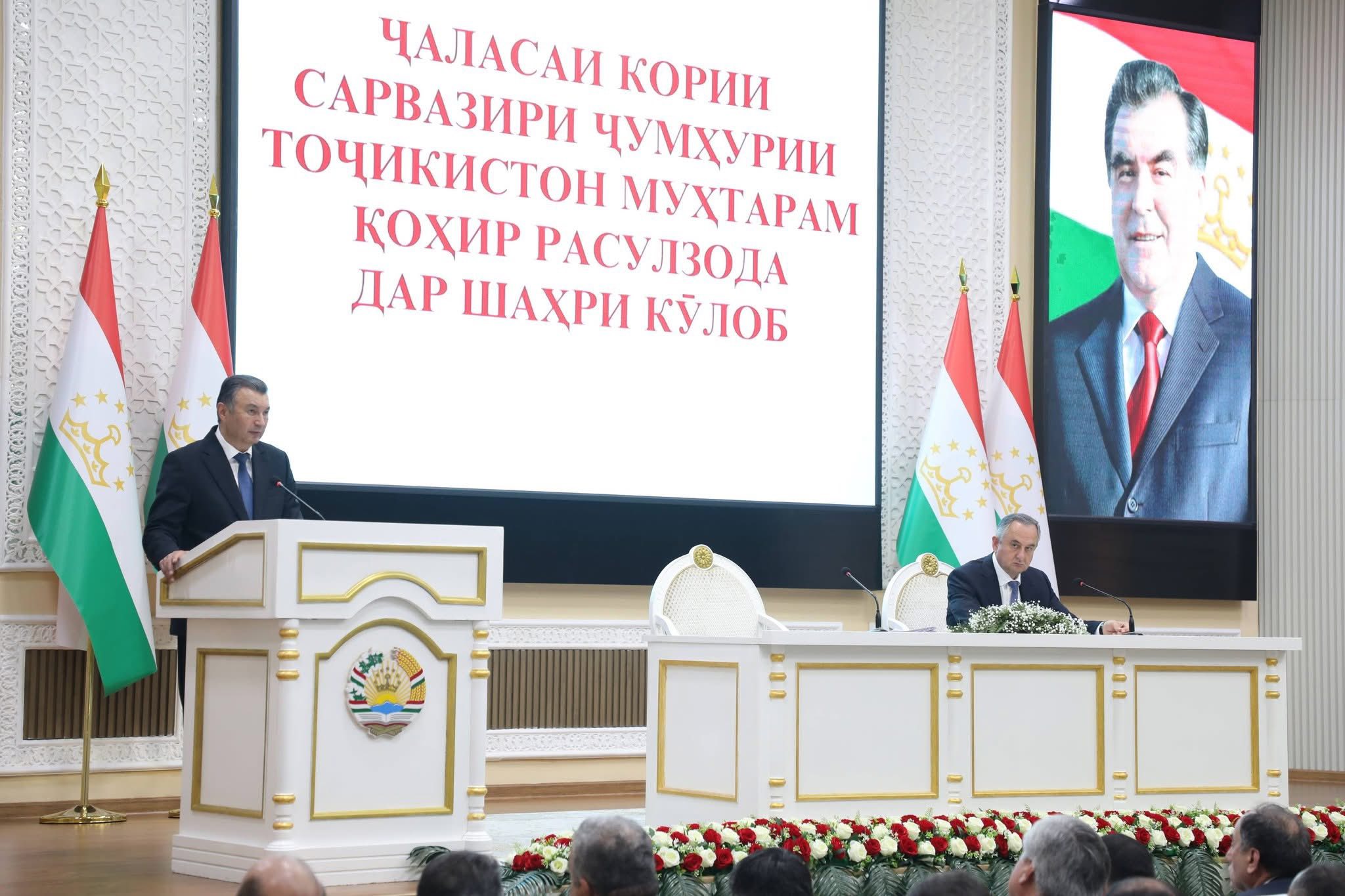
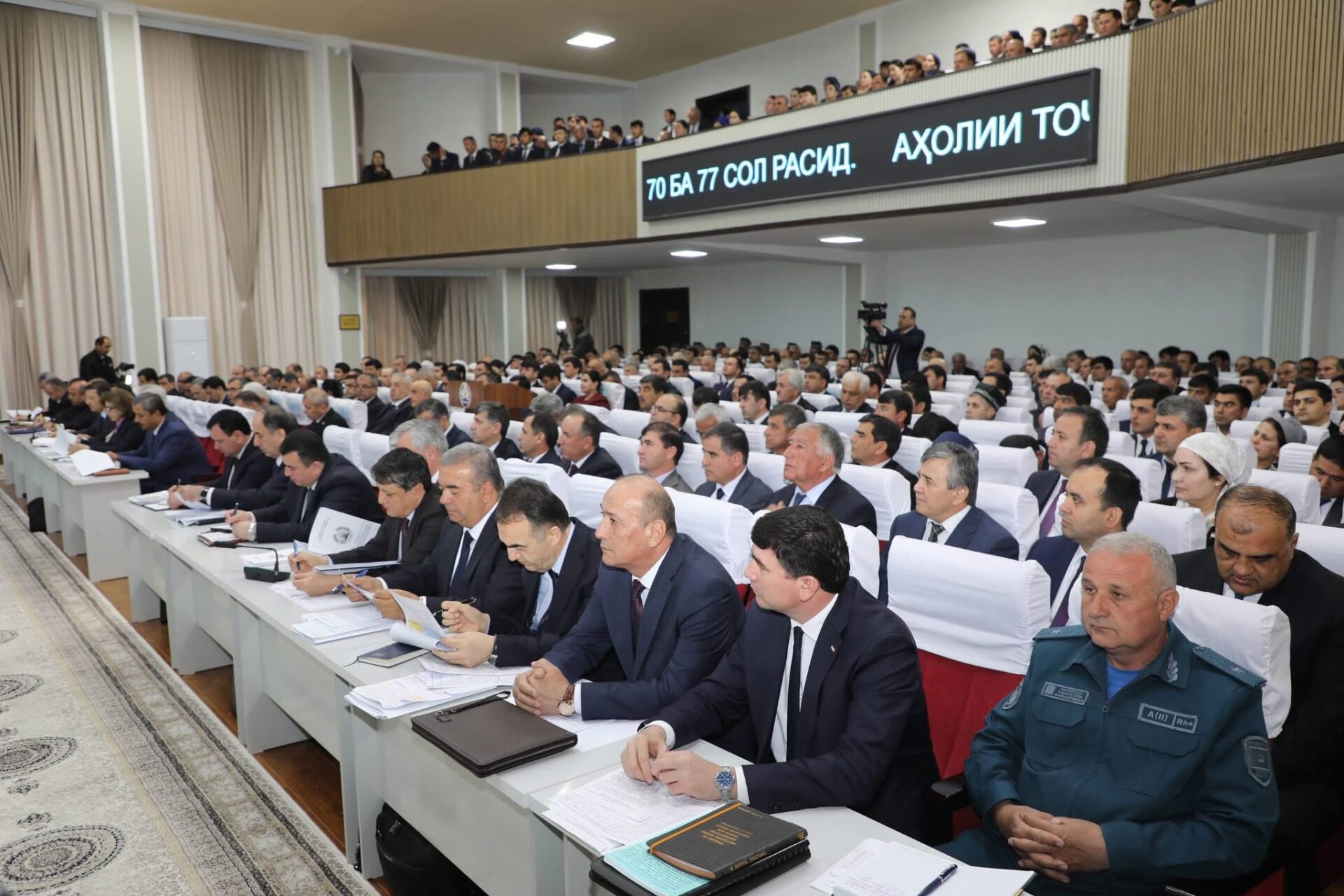
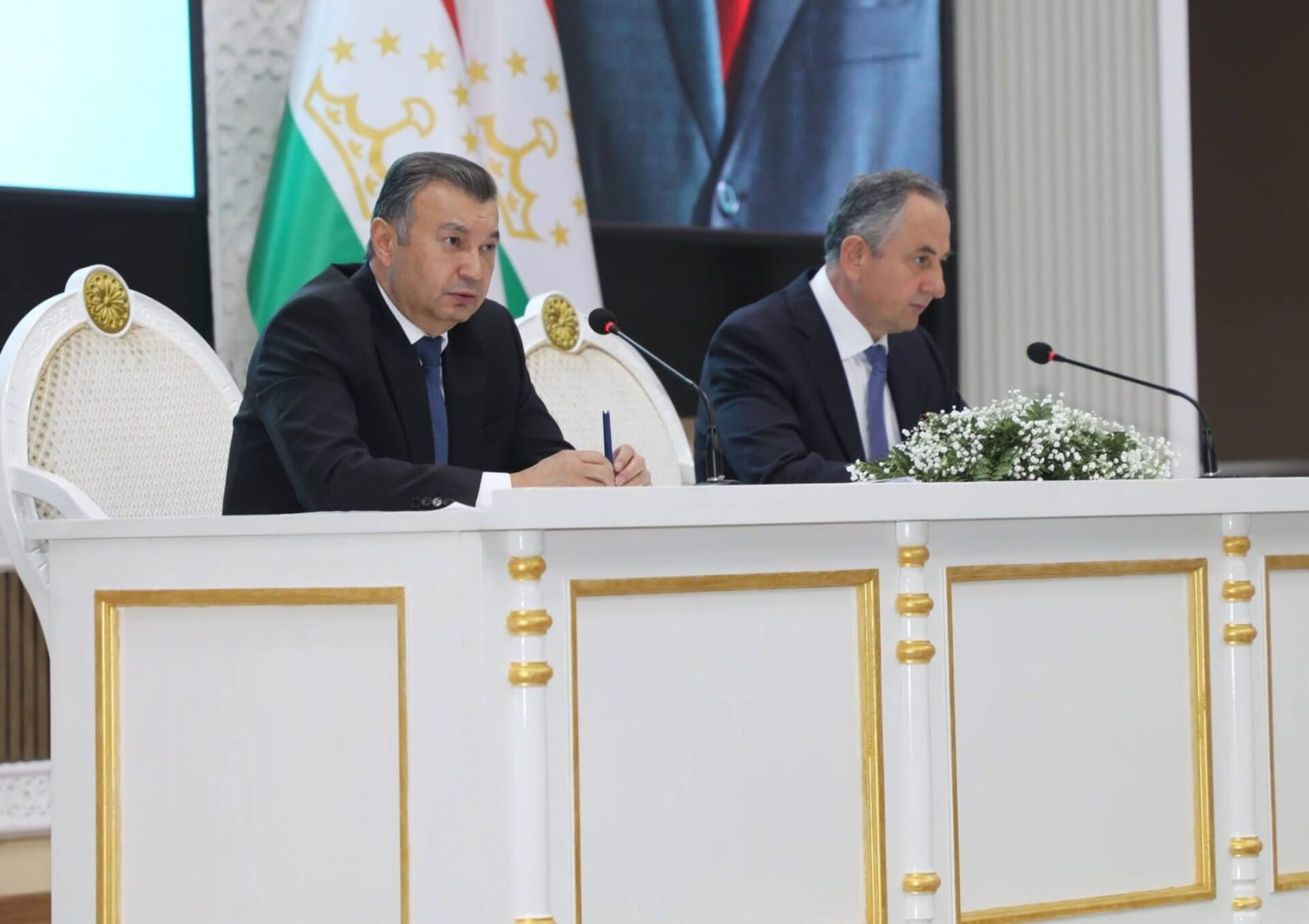
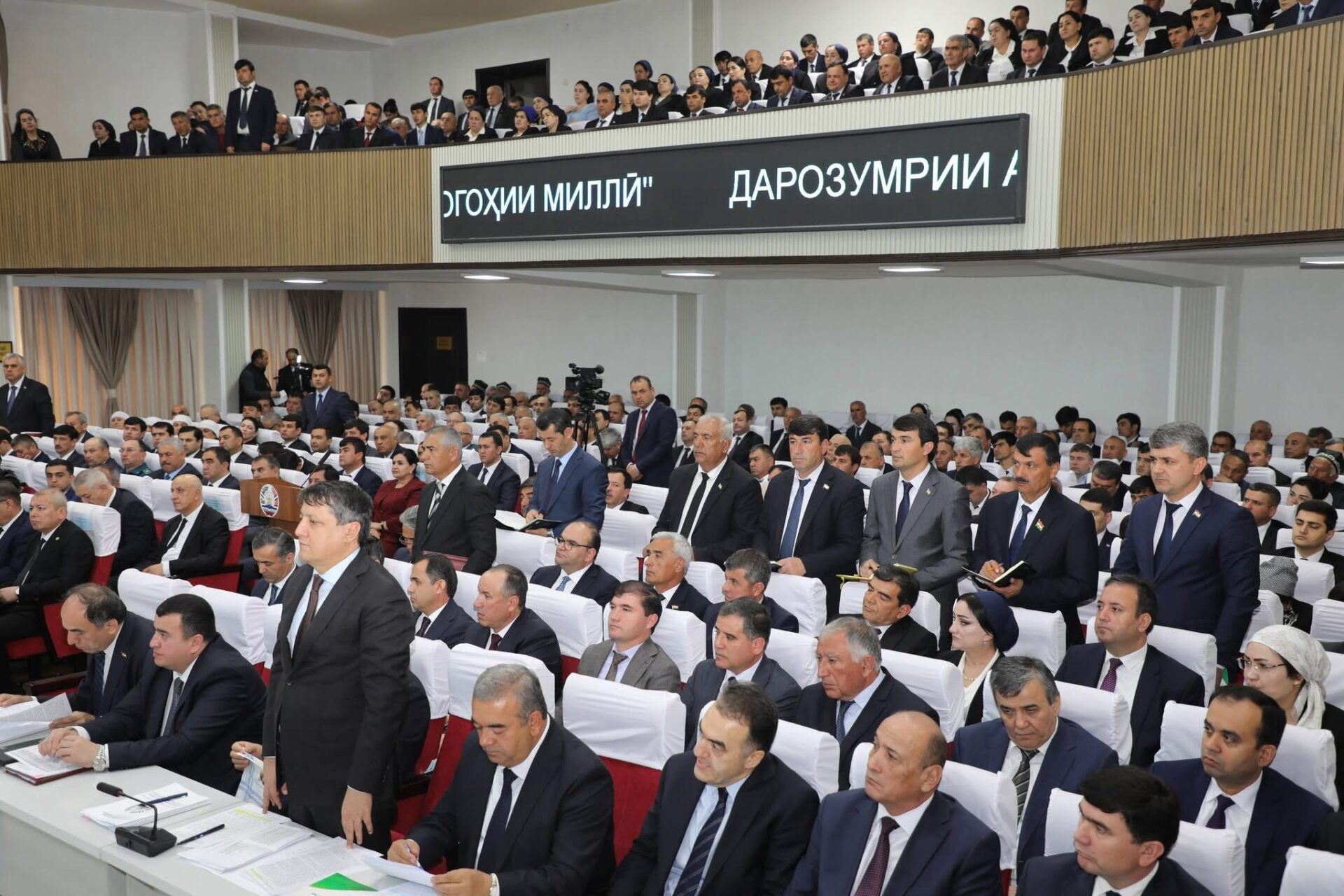
On March 3, Prime Minister of the Republic of Tajikistan Kokhir Rasulzoda held a working meeting in Kulyab on the city's socioeconomic development. The meeting was attended by Khatlon Region Chairman Davlatali Said, heads of ministries and departments, regional and city-level organizations and institutions, and city officials. This was reported by the press service of the Khatlon Region administration.
During the meeting, the results of Kulyab's socio-economic development for 2025 were reviewed.
It was noted that the government adopted the "Social and Economic Development Program for Kulyab for 2020–2025" to ensure sustainable socioeconomic development of the city and improve living standards. However, as was emphasized at the meeting, the program has not been implemented to the required level.
The meeting also highlighted existing problems in the city's industrial sector. It was reported that five companies have ceased operations. These include the state-owned unitary enterprise "Zari Kulob," as well as the limited liability companies "Sumatra STK," "Vahdat Textile," "Resandai Kulob," and "Eldorado."
Having analyzed the current situation, the Prime Minister of the country gave specific instructions to responsible officials to resume the activities of these enterprises as soon as possible.
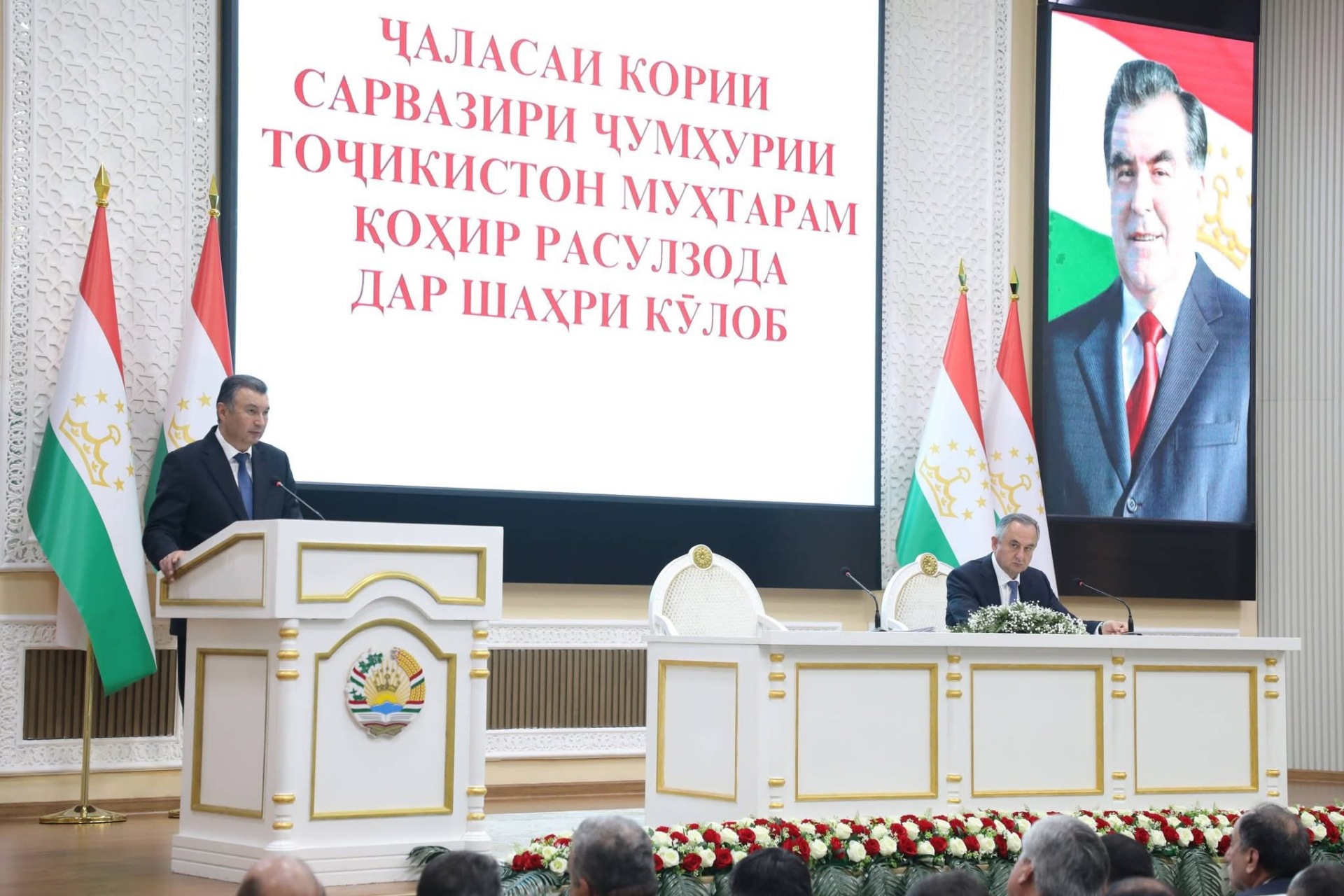
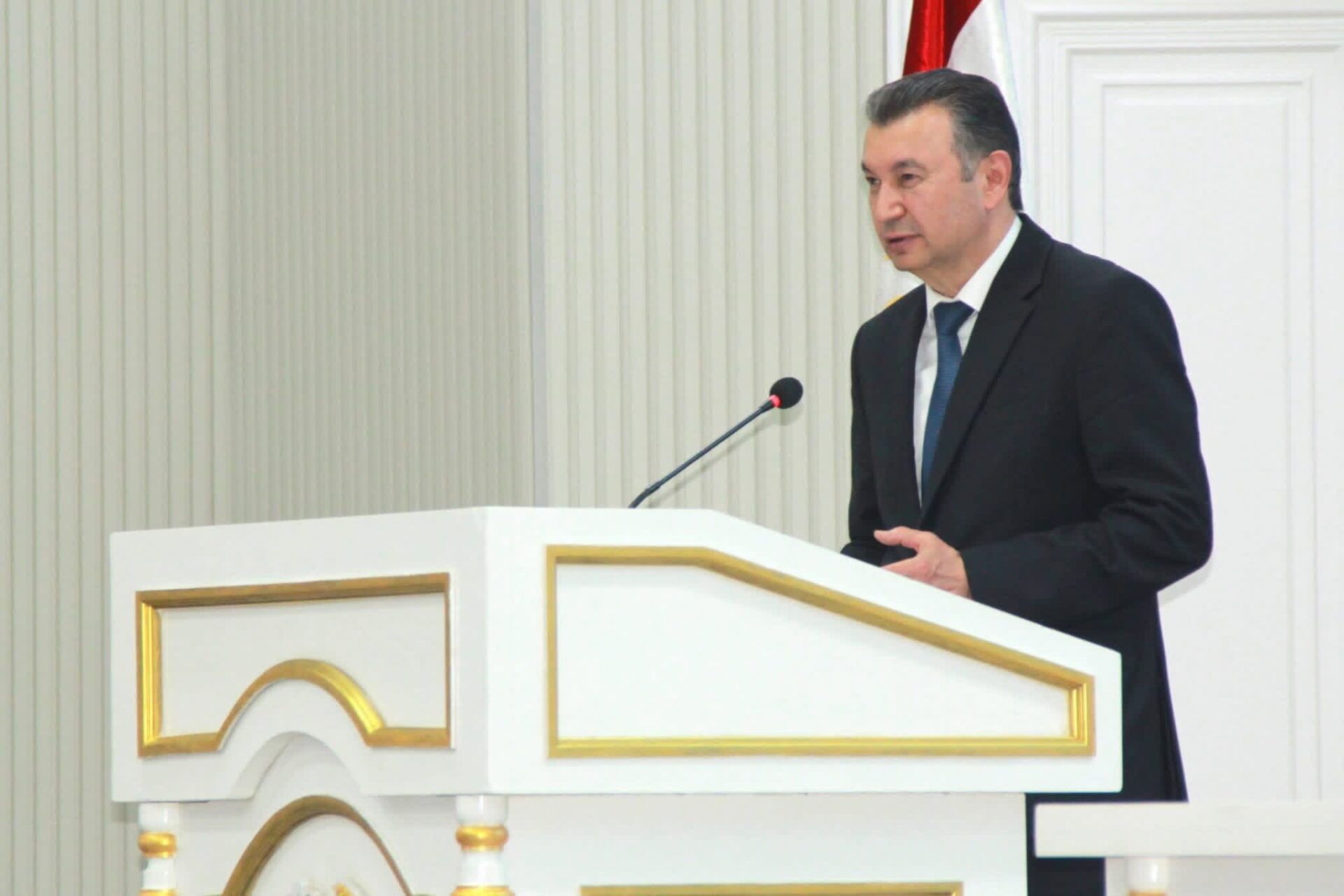
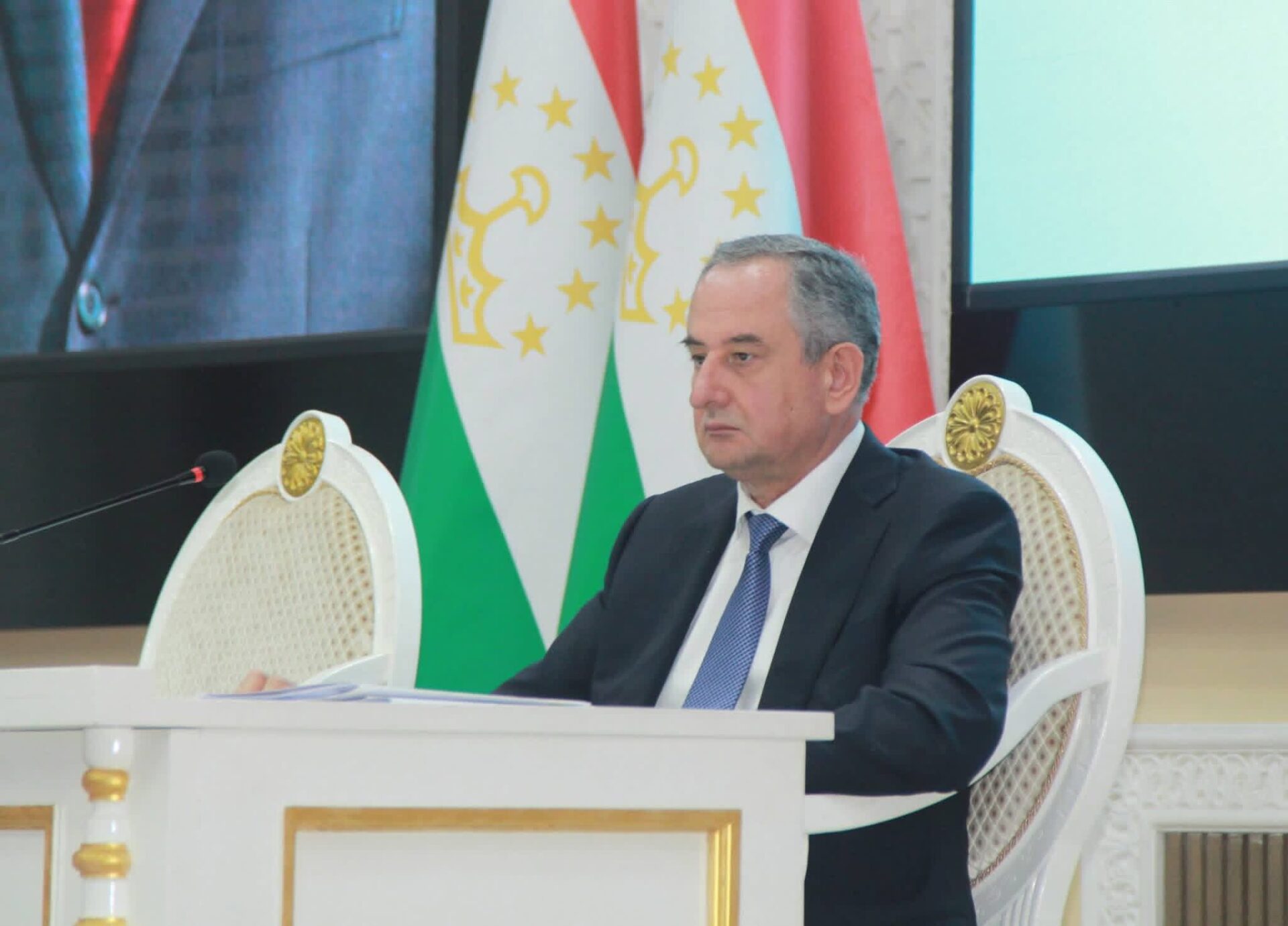
The meeting also emphasized the need to more fully utilize the city's potential in all areas. Specifically, it was noted that special attention should be paid to attracting greater foreign investment, establishing and restoring industrial enterprises, constructing new educational institutions, increasing the number of jobs, developing tourism infrastructure, bringing new land into agricultural use, and ensuring growth in industrial and agricultural production.
Furthermore, responsible officials were instructed to ensure the timely and high-quality implementation of the instructions of the President of the Republic of Tajikistan, Emomali Rahmon. These instructions are aimed at intensifying landscaping and construction work, energy conservation, and the efficient use of household and agricultural land.