Translated with AI












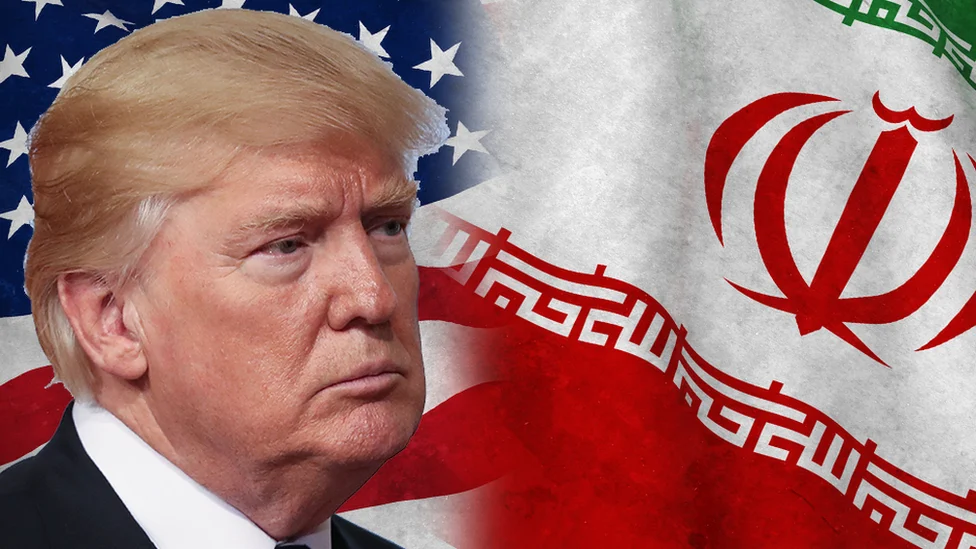
US President Donald Trump stated that he opposes Mojtaba Khamenei's rise to power in Iran and intends to personally participate in choosing the country's new leader. He made this statement in an interview with Axios.
According to Trump, the son of the ayatollah killed in airstrikes is not an acceptable candidate for Washington. The American president also criticized him harshly, calling him a "nothing." He emphasized his intention to participate in the appointment of Iran's new leader, as he claimed was the case with Delcy Rodriguez in Venezuela.
Trump declared that the 56-year-old son of the slain ayatollah was "unacceptable" to the United States, as was any other potential successor who would continue the current political course. Otherwise, he noted, the United States would be forced to re-enter the war "in five years."
The American president previously said he had "three very good candidates" for the post of Iran's new leader, but declined to name those people.
Trump said most members of the Iranian government would be able to retain their positions if Tehran began cooperating with Washington. He noted that a similar scenario had already been used in Venezuela. Moreover, Trump believes the new leader must "bring harmony and peace to Iran."
Mojtaba Khamenei is considered the leading contender for the post of Supreme Leader of Iran following the death of his father on February 28. Under the country's current system of government, the new leader must be elected by the Assembly of Experts, a council of 88 religious scholars.
On March 4, Mahmoud Rajabi, a member of the Presidium of the Assembly of Experts, announced that the process of selecting a new leader had already begun. Meanwhile, the Iranian opposition publication Iran International claimed that Mojtaba Khamenei had already been elected to the position.
Israel said it would consider any new Iranian leader who continued on the current course "a target for elimination."
As sources in The New York Times note, the transfer of power from father to son is not welcomed by the Shiite clergy, and the appointment of Mojtaba Khamenei could cause discontent within the country.
US intelligence, in turn, has questioned the very possibility of regime change in Iran.
According to Reuters sources, the likelihood of the opposition coming to power is considered extremely low, as the Islamic Revolutionary Guard Corps remains the foundation of the country's political and military system. Representatives of this corps, the sources say, are unlikely to voluntarily give up their privileges.
The country is currently governed by a three-member interim council. It includes President Masoud Pezeshkian, head of the judiciary Gholam Hossein Mohseni-Ejei, and Ayatollah Alireza Arafi.