Translated with AI


































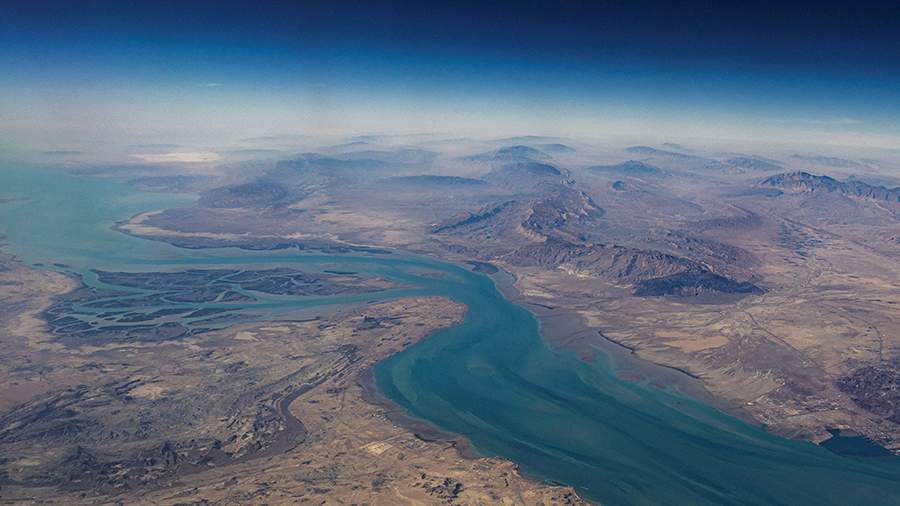
Ship traffic through the Strait of Hormuz has come to a near standstill, according to the Joint Maritime Information Center (JMIC).
According to the center's report, an analysis of ship signals shows that the number of transiting vessels has dropped to single digits. Over the past 24 hours, only two commercial vessels have been confirmed passing through the Strait of Hormuz. However, these were cargo ships, not oil tankers.
The JMIC stressed that this situation effectively means an almost complete suspension of commercial shipping through the strait.
The Strait of Hormuz is a key route for transporting commodities ranging from oil to fertilizers. However, it is currently closed due to military conflict in the Middle East.
Dozens of fully loaded oil and gas tankers are reported to remain in the Persian Gulf. Shipping companies are not sending them through the Strait of Hormuz, as this route is considered too risky. Attacks on several vessels have been reported previously.
Iranian Foreign Minister Abbas Araghchi stated on Thursday that the Iranian military has not yet taken measures to close the Strait of Hormuz, but that such a possibility may be considered in the future. Commenting on reports that shipping through the strait has been effectively halted, he noted that ships are wary of entering.
The Iranian armed forces had previously warned that they were prepared to sink ships that attempted to pass through the strait.
This week, Washington indicated it would offer naval escorts to ships. Such measures are being discussed as international insurance companies have begun to reduce their coverage for war risks. Meanwhile, as Bloomberg notes, shipowners have yet to receive convincing safety guarantees.