Translated with AI

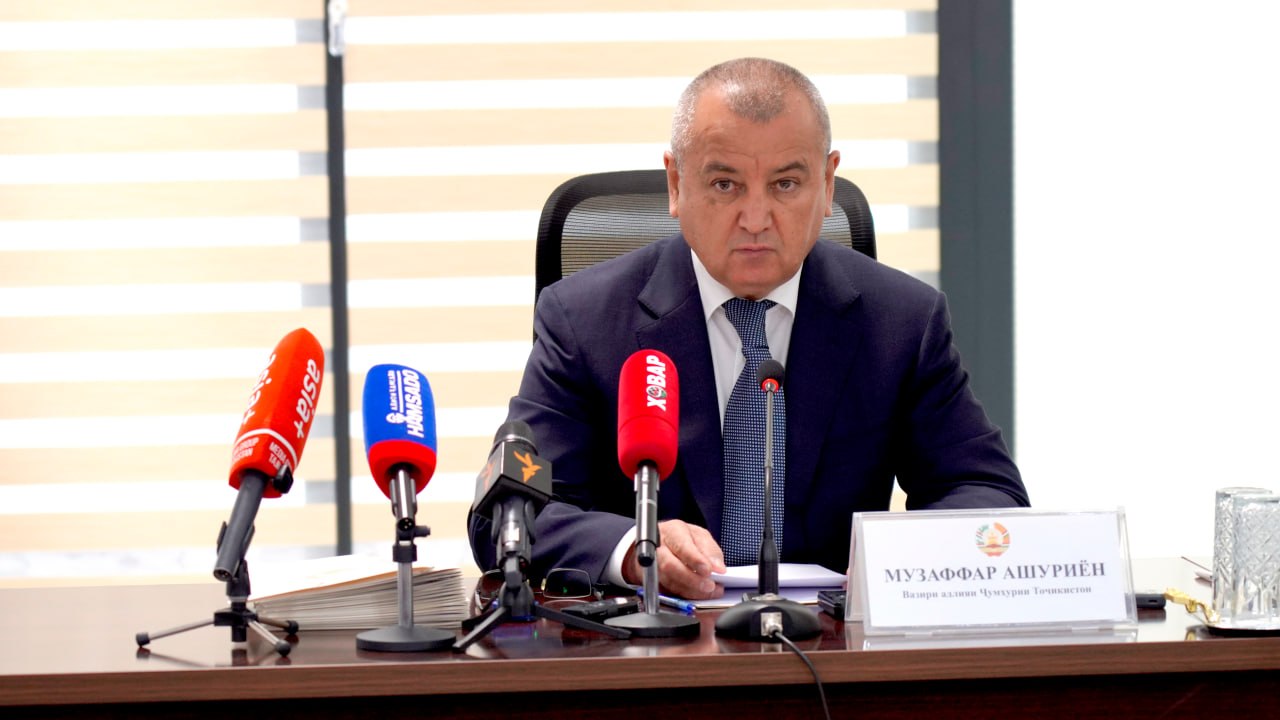










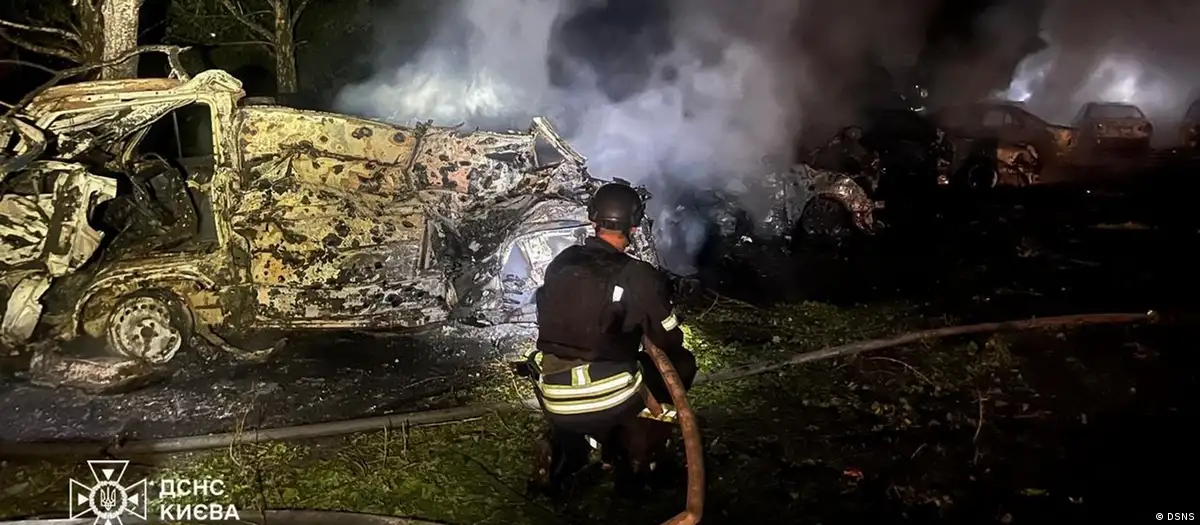
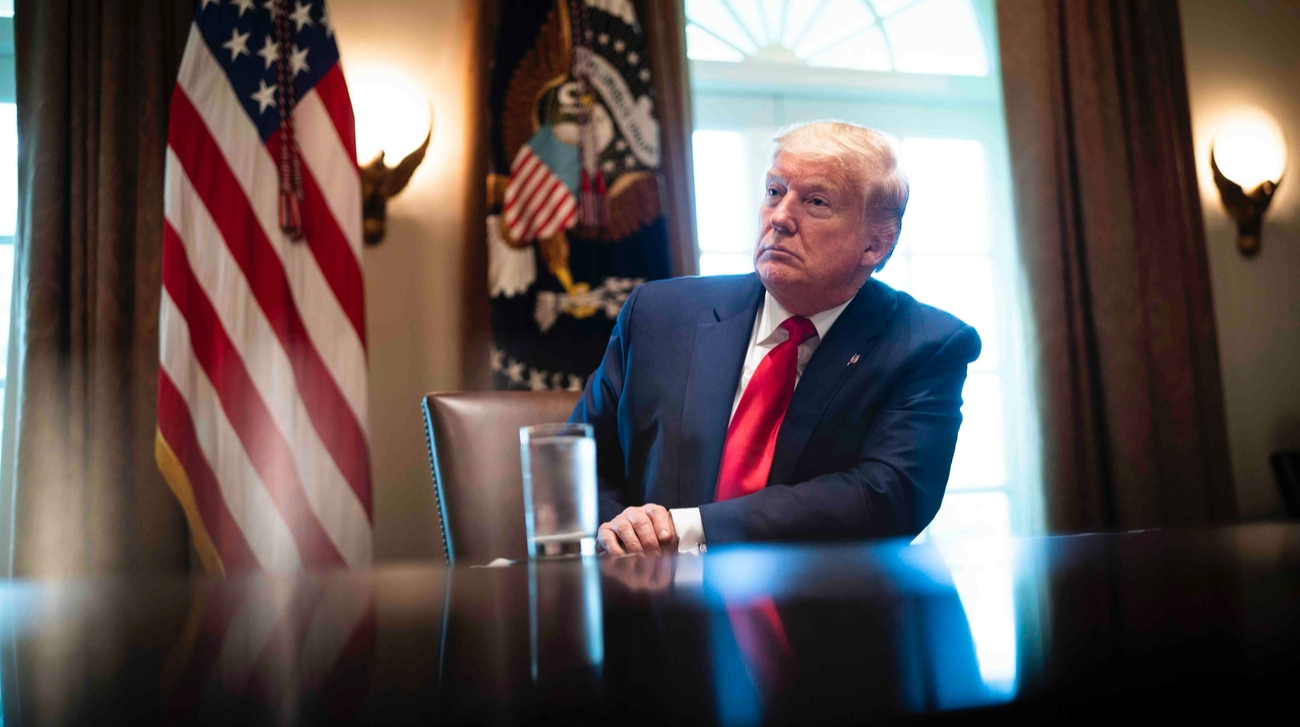
US President Donald Trump claimed that Iran was responsible for the missile attack on a girls' school in the southern Iranian city of Minab, which killed more than 170 people. He made this statement while speaking to reporters aboard Air Force One on the night of Sunday, March 8.
Asked whether the United States was responsible for the incident, Donald Trump said: "No, in my opinion, based on what I saw, it was done by Iran."
Meanwhile, US Defense Secretary Pete Hegseth, who accompanied Donald Trump on the trip, did not directly confirm this claim. He stated that the United States is currently investigating the incident.
The Shajareh Tayebeh Girls' School in Minab, Hormozgan Province, was destroyed by a missile strike on the morning of February 28. The strike killed at least 175 people, many of them children. According to the Minab district prosecutor, most of the victims were students at the school.
On March 5, The New York Times, which analyzed satellite imagery from Planet Labs, reported that the school building was seriously damaged by a precision strike. According to the newspaper, the strike occurred simultaneously with attacks on a nearby naval base controlled by the Islamic Revolutionary Guard Corps.
The publication also noted that official statements that American forces struck naval targets near the Strait of Hormuz, where the Islamic Revolutionary Guard Corps base is located, suggest that the country may be behind the attack.
On February 28, the United States and Israel began striking Iran. In response, the Islamic Republic launched drone and missile attacks against Israel and Washington's regional allies in the Middle East.
Tehran says the Iranian strikes target American military bases in those countries.
As a result of the US and Israeli military operation, Iran's Supreme Leader Ayatollah Ali Khamenei and a number of high-ranking officials of the Islamic Republic were killed.
Speaking to reporters aboard Air Force One on the night of March 8, Donald Trump also stated that he was not interested in negotiations with Tehran. He suggested that the war in Iran would end when the Islamic Republic no longer had a viable army or any leader.
The US president said airstrikes on Iran could make negotiations unnecessary if all of the country's potential leaders and its army were destroyed.
"I think at some point there will be no one left who can say, 'We give up,'" Donald Trump said.
At the same time, the US president emphasized that Washington does not intend to involve the Kurds in military operations in Iran. He stated that the Kurds themselves are ready to join the war, but the United States does not want to complicate an already complex conflict.
"The United States has a good relationship with the Kurds, but we don't want to make an already difficult war even more difficult," Donald Trump said.