Translated with AI
























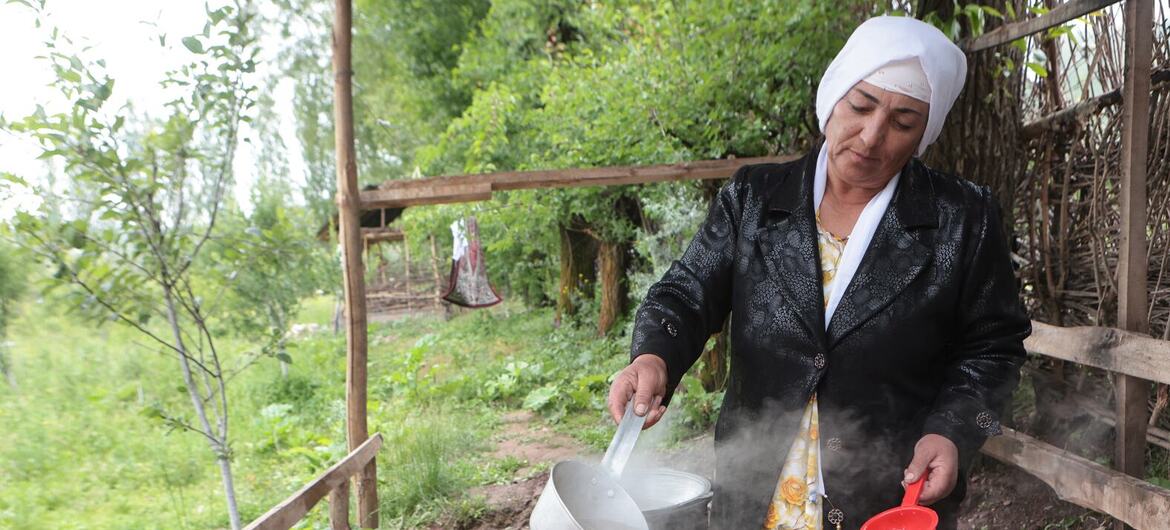
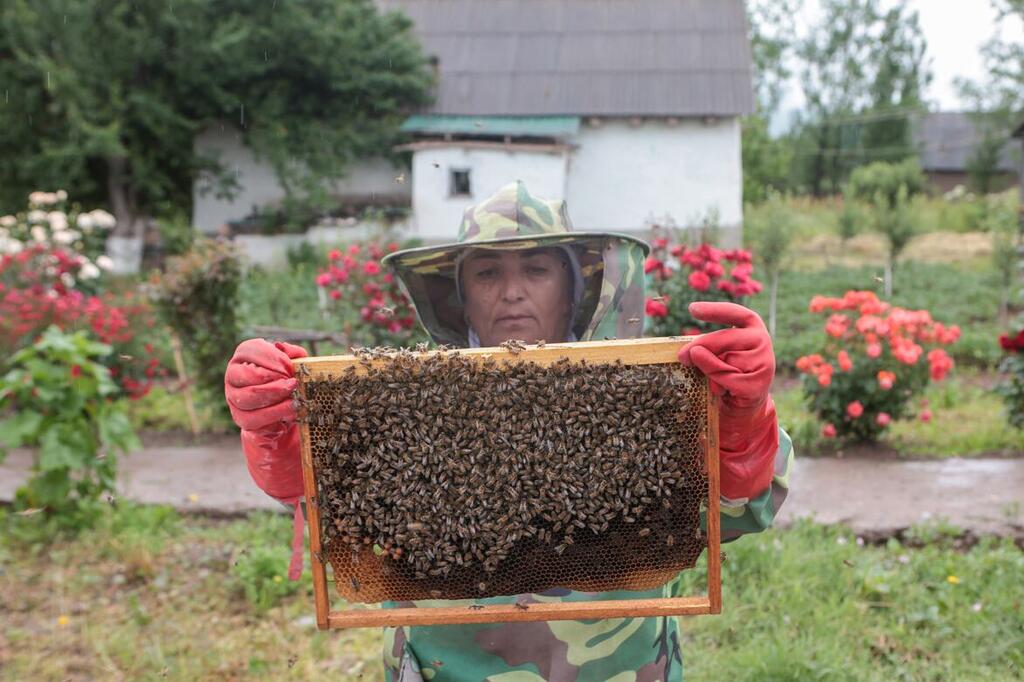
In the Tajikabad district, Sonya Kirgizova has become a leader among local farmers, actively promoting agricultural development and preserving traditional crops. She is respected in the district's mountain villages for her greenhouse, homemade onion and cucumber preserves, and beekeeping. Her neighbors' trust has been a key factor in her authority, which has enabled her to recruit women to participate in a project to preserve Tajikistan's agrobiodiversity, according to the UN press service.
Sonya was involved in farming from an early age, helping her parents and later growing crops with her husband. When her husband left for seasonal work in the Russian Federation, she handled all the farming work herself, mastering planting, watering, harvesting, and storing produce.
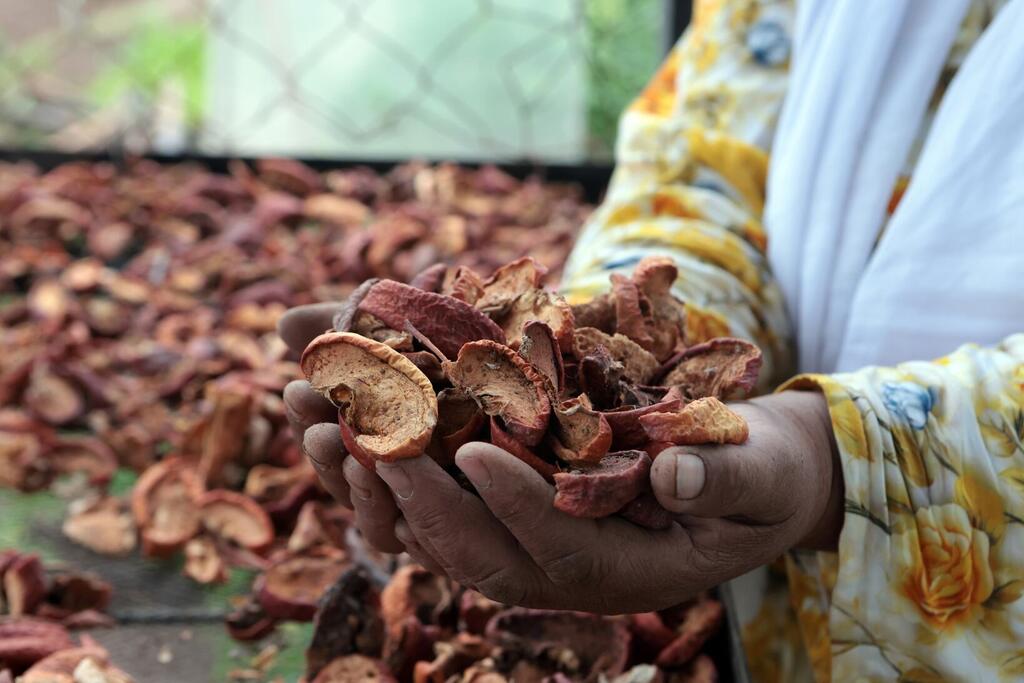
Sonya's story reflects the situation of many women in Tajikistan, who are the primary agricultural labor force, especially given the seasonal migration of men. Women manage farms independently, but their work has long remained unrecognized and often unpaid. Many lack access to knowledge, financing, tools, and resources for sustainable farming.
Sonya was one of the first participants in a project to preserve traditional agricultural crops implemented by the Food and Agriculture Organization of the United Nations (FAO). The project, supported by the Government of the Republic of Tajikistan and funded by the Global Environment Facility (GEF), helps women revive the use of local seeds, strengthen food security, and build resilience.
Cultural and social norms often make it difficult to directly engage with women in rural areas, but Sonya already enjoyed the community's trust and the support of local authorities. She opened the door for this initiative to take hold.
"Sonia became the key," notes FAO agricultural specialist Caroline Starr. "Thanks to her, we were able to establish collaboration and ensure women had access to local seeds, training programs, and active participation in project activities."
In collaboration with the FAO, Sonya organized practical workshops in her garden, where other women learned skills in growing vegetables, pruning fruit trees, greenhouse management, and beekeeping. As they gained knowledge, so did their confidence.
"Women here are very hardworking," notes Sonya. "However, they are rarely recognized as farmers and decision-makers. This is starting to change."
Gaining access to local seeds was a turning point. Sonya helps manage one of the seven community seed banks created with the project's support.
Farmers can take seeds for sowing and return increased quantities after harvest, ensuring sustainability and increased production. Seed banks are community-owned and managed, allowing farmers to control their production and food quality.
Women began reviving lost crop varieties, using them in food, and selling surplus produce, including rare mountain crops like onions. These changes allowed women not only to help their families but also to pass on knowledge to others, becoming mentors and participants in agricultural decision-making.
The FAO-GEF agrobiodiversity project covers seven districts of Tajikistan, where farming communities are reviving traditional crops, conserving plant genetic resources, and strengthening local food systems. The project also supports the implementation of national policies for agrobiodiversity conservation.
By placing women at the center of this initiative, the project contributes to increasing agricultural resilience, improving nutrition, and fostering greater equality in rural development. To date, more than 1,500 people across the country have participated.