Translated with AI
































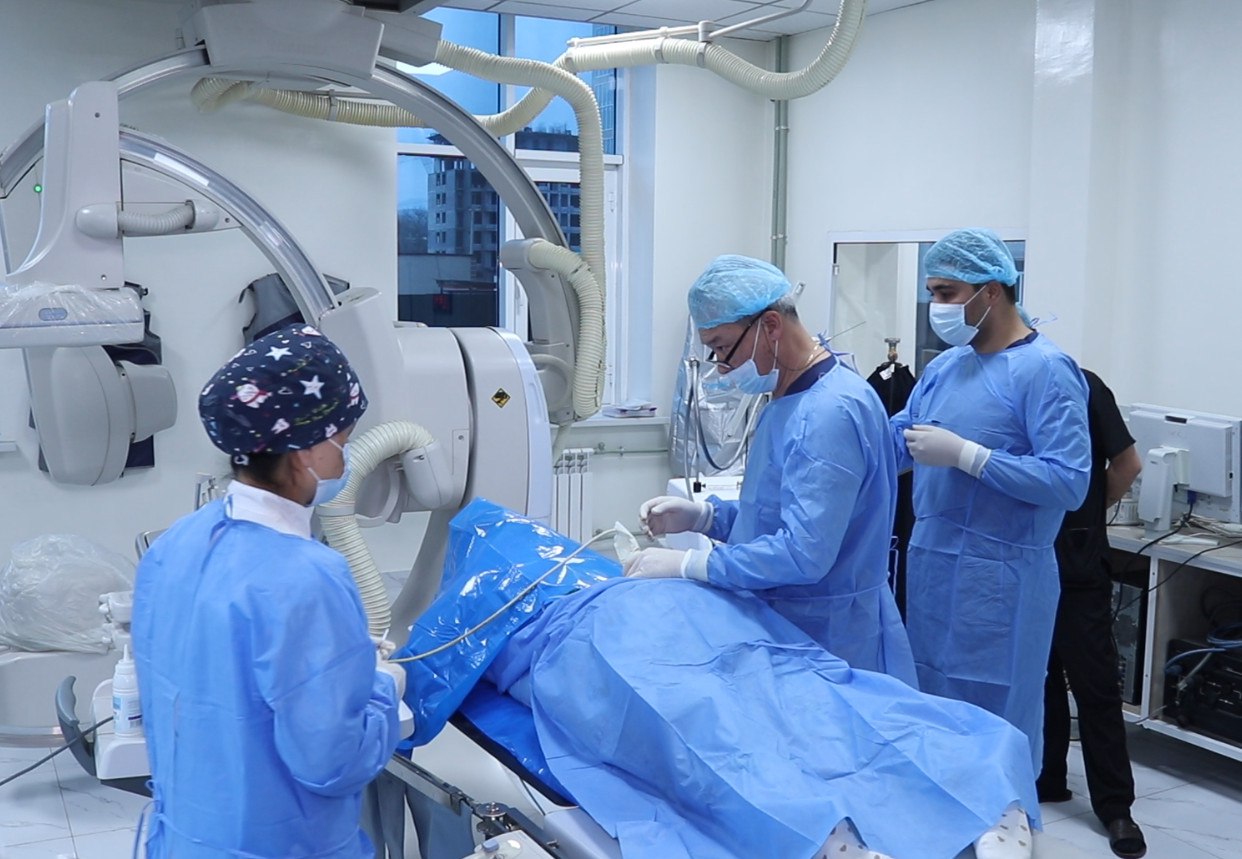
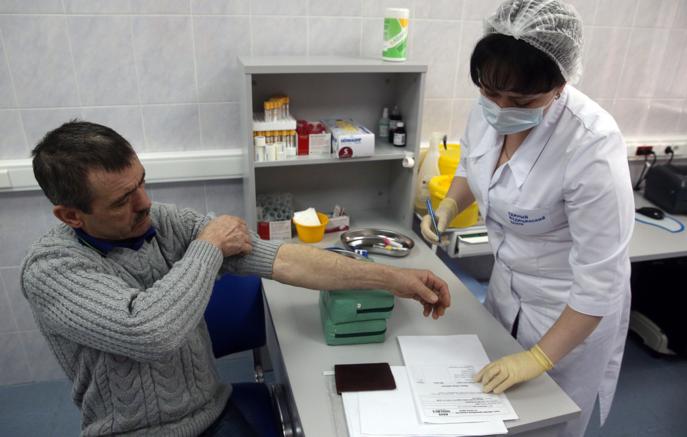
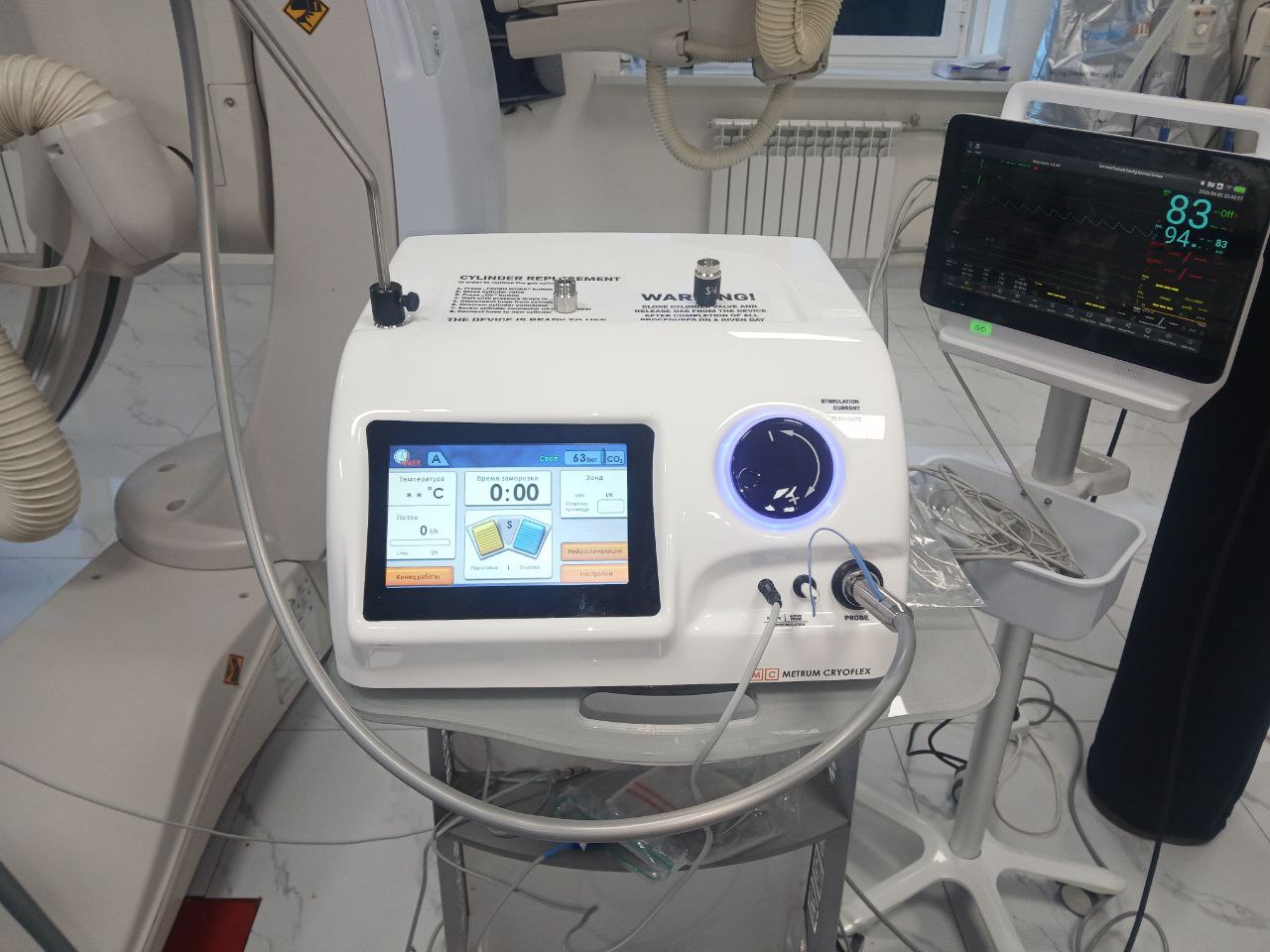
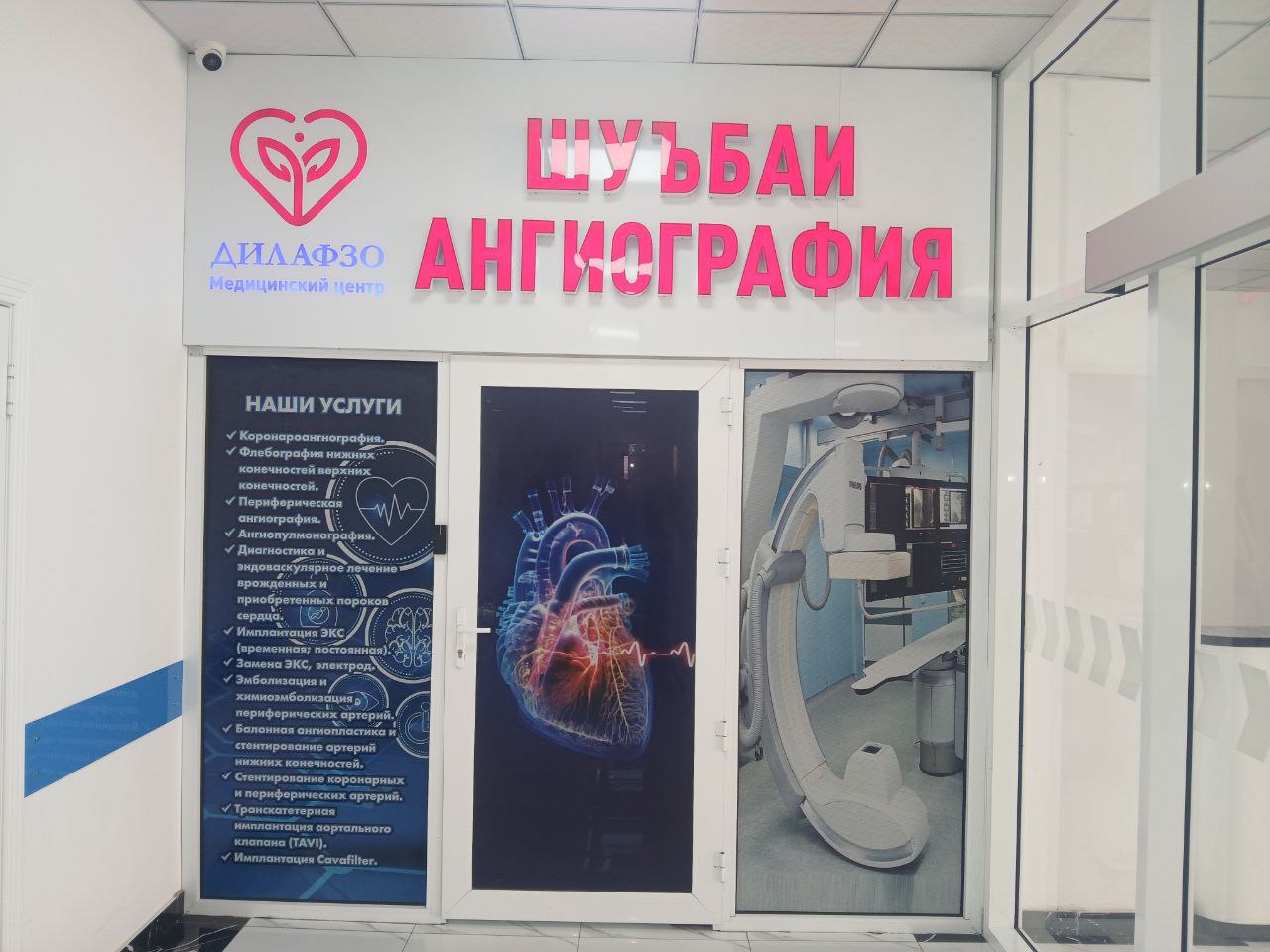
The angiography department of the Medical and Social Institute of Tajikistan has received its first Metrum Cryoflex device, designed to quickly relieve chronic pain. With the arrival of this modern equipment and technology, the Republic of Tajikistan now has all the necessary conditions and capabilities for diagnosing and treating various diseases, allowing citizens to further improve their health, according to the Ministry of Health of Tajikistan.
The device was delivered to the angiography department of the Clinical Scientific and Educational Center at the Medical and Social Institute of Tajikistan and is the first of its kind in the country.
Farshed Rustamovich Rakhimov, head of the angiography department at the Clinical, Scientific and Educational Center at this institute, noted that this device is used to eliminate chronic pain in patients.
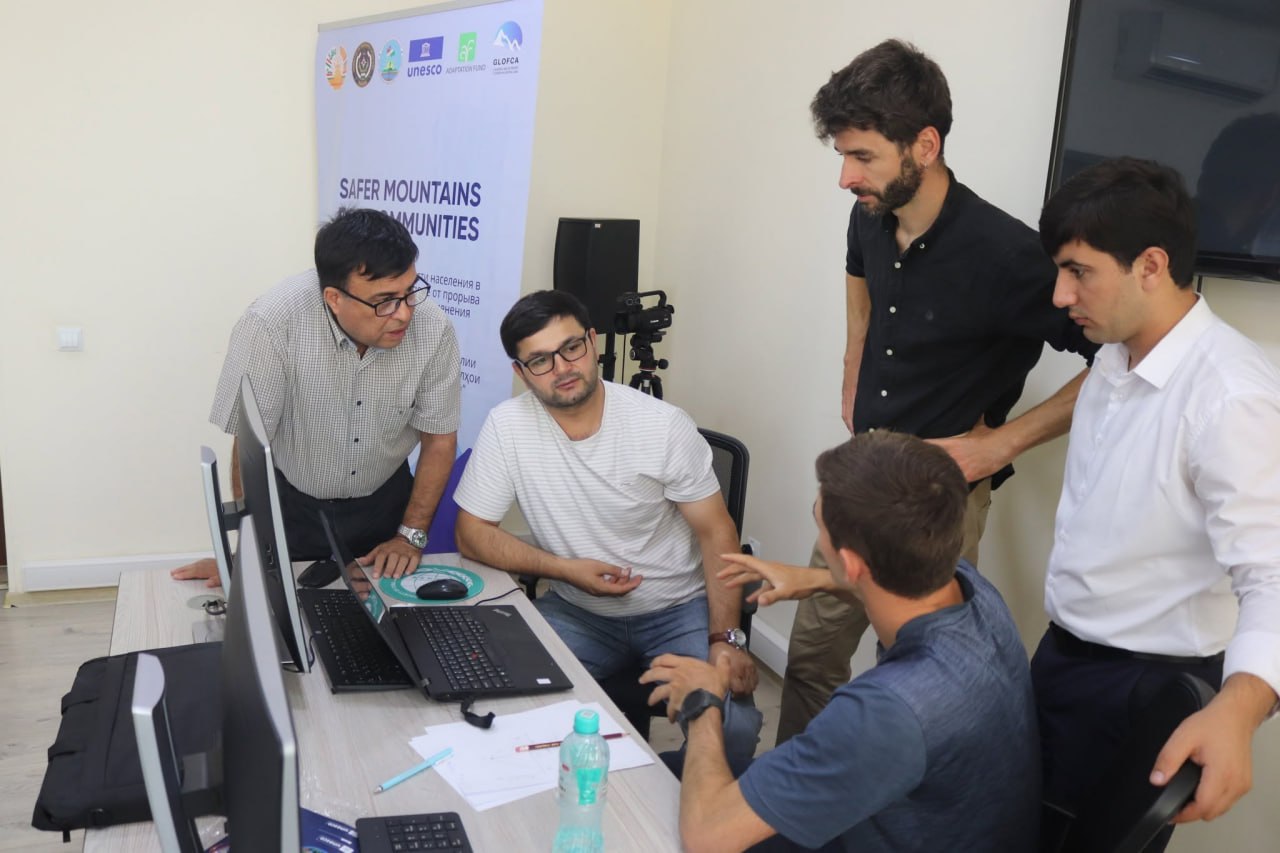
To learn how to use this equipment, an experienced specialist from the Republic of Kazakhstan recently spent four days in the angiography department of the Clinical Scientific and Educational Center at the Medical and Social Institute of Tajikistan. Together with Tajik specialists, he shared experiences in treating patients who had suffered from chronic back pain, lower back pain, arm and leg joint pain, and headaches for many years.
After sharing experiences and studying the specifics of the pain relief method using the Metrum Cryoflex device, a number of patients who sought treatment for chronic back pain, joint pain in the arms and legs, and other organs experienced relief, resulting in improved health.
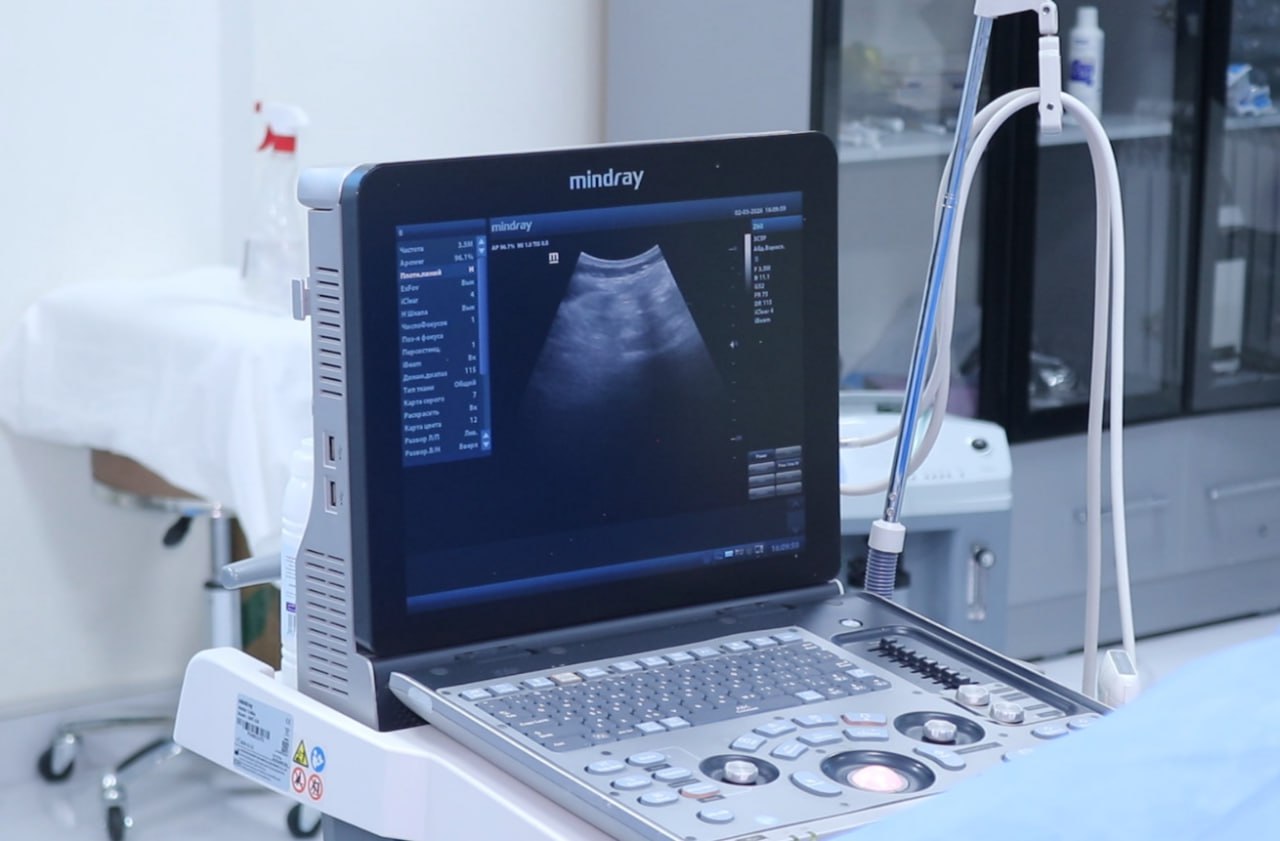
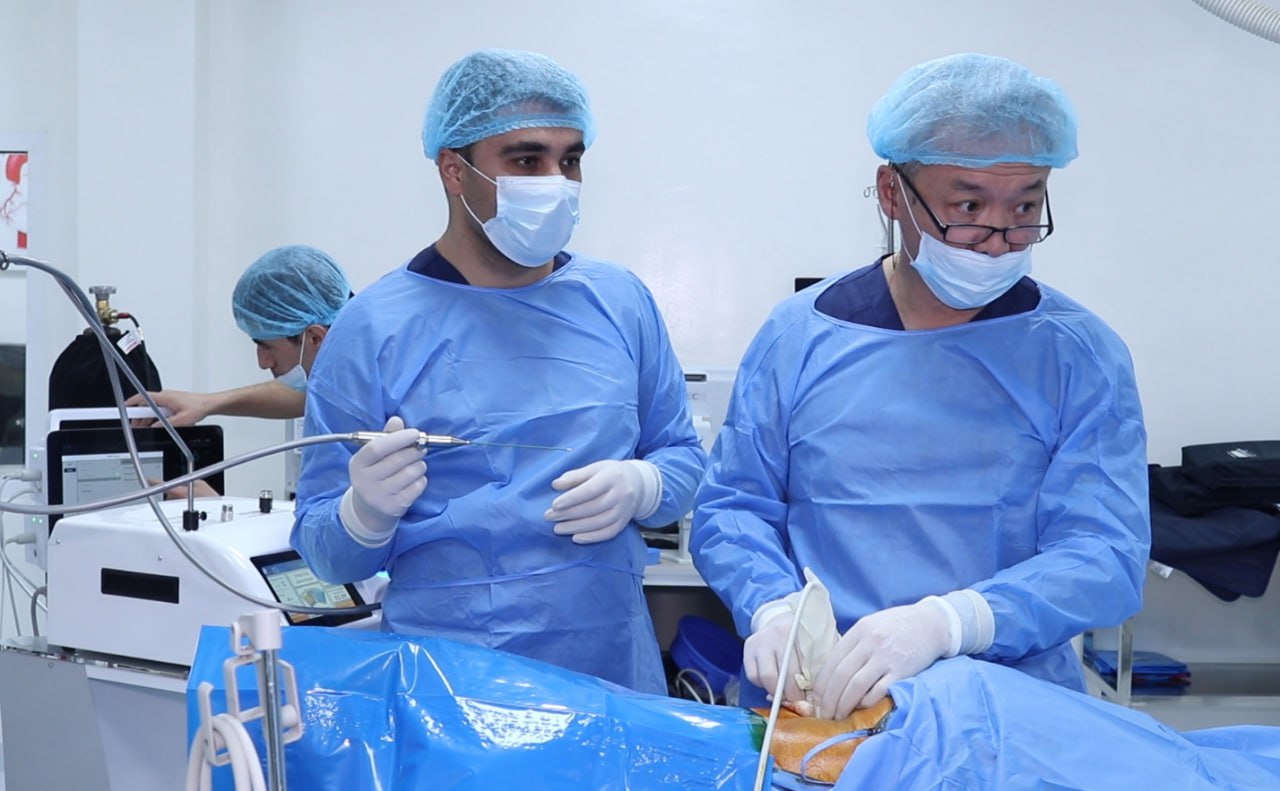
Farshed Rustamovich Rakhimov noted that this device, using low temperatures ranging from -73 to -90 degrees Celsius, provides patients with pain relief, or denervation. Pain in the back, lower back, arm and leg joints, as well as in the cervical spine and head, is completely eliminated after cryoablation.
The pain relief process is carried out under ultrasound or angiography control, and the procedure lasts only 20–30 minutes and is performed without putting the patient under anesthesia.
Industry experts note that previously, to relieve chronic pain in these areas, patients used medications for long periods of time or continuously, which provided only a temporary effect.
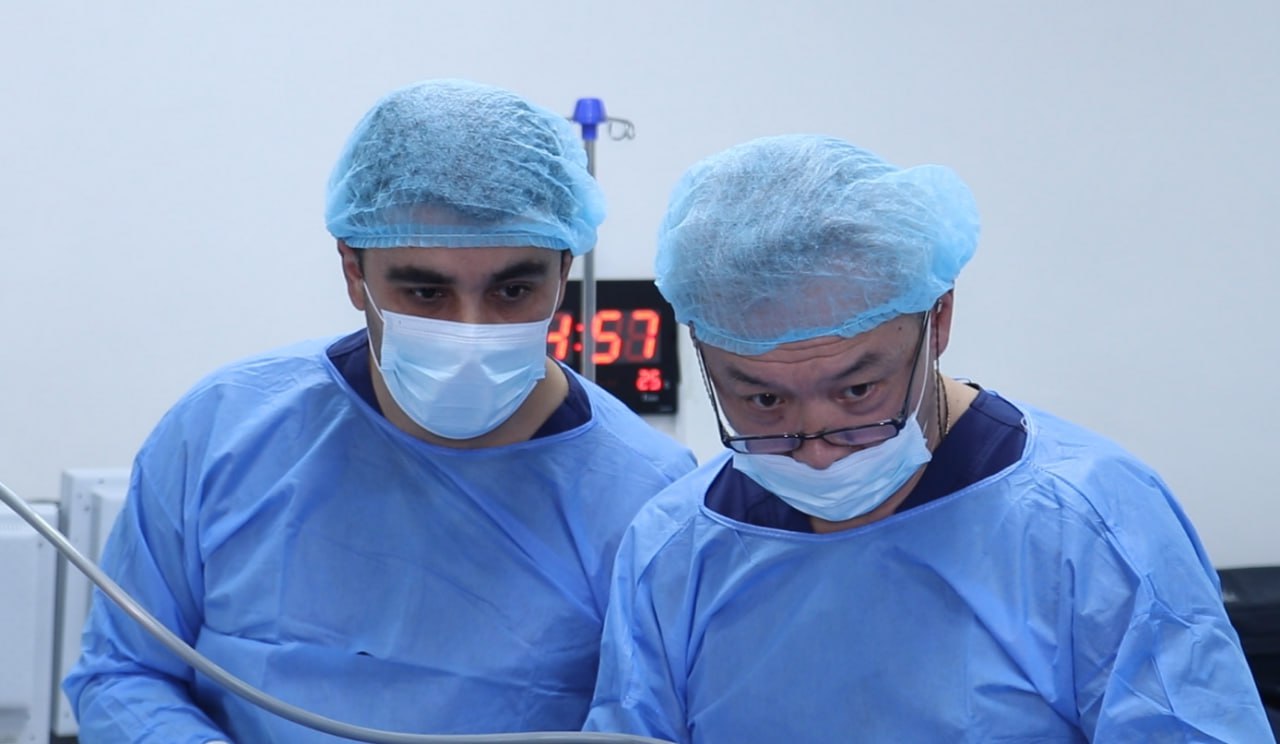
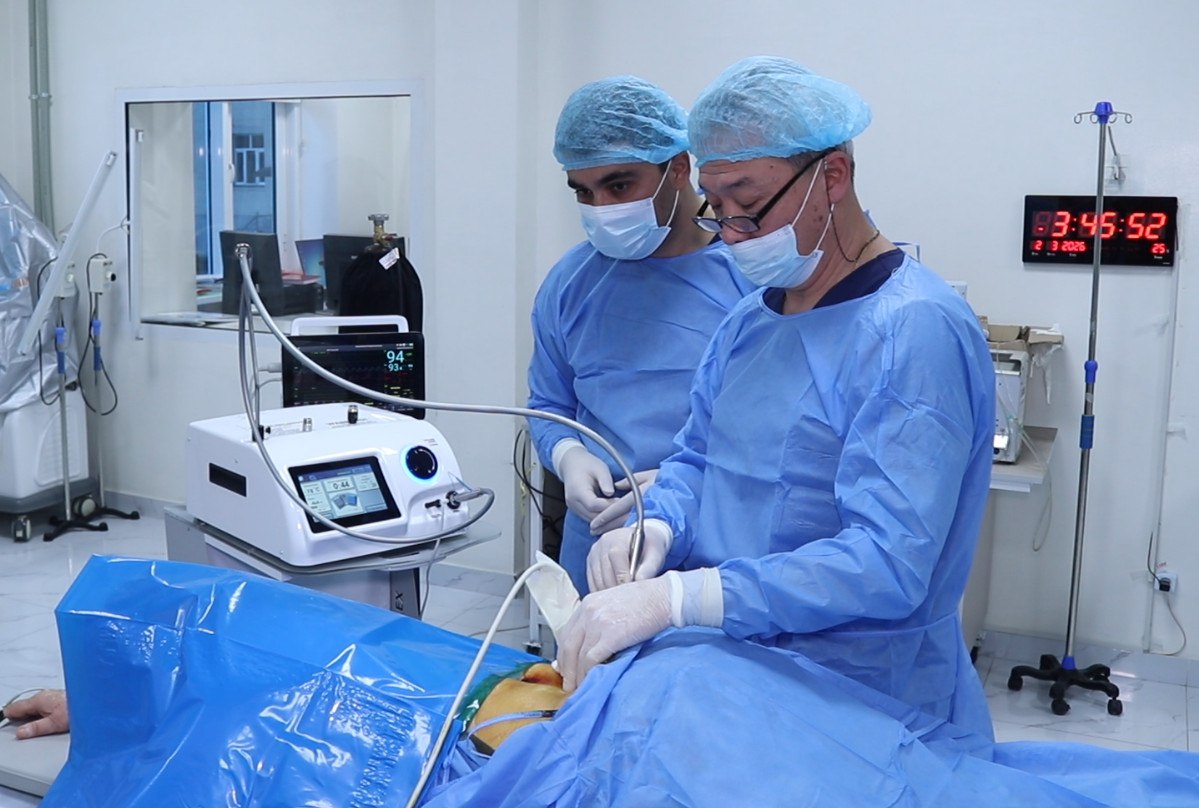
After eliminating chronic pain with this modern device, such patients no longer need constant painkillers, and are completely free of pain.
Thus, the arrival of such modern medical equipment once again demonstrates that domestic doctors, using a high level of professional knowledge and experience, are currently applying new methods of diagnosing and treating various diseases, which, of course, indicates the progressive development of the healthcare system in Tajikistan.