Translated with AI






























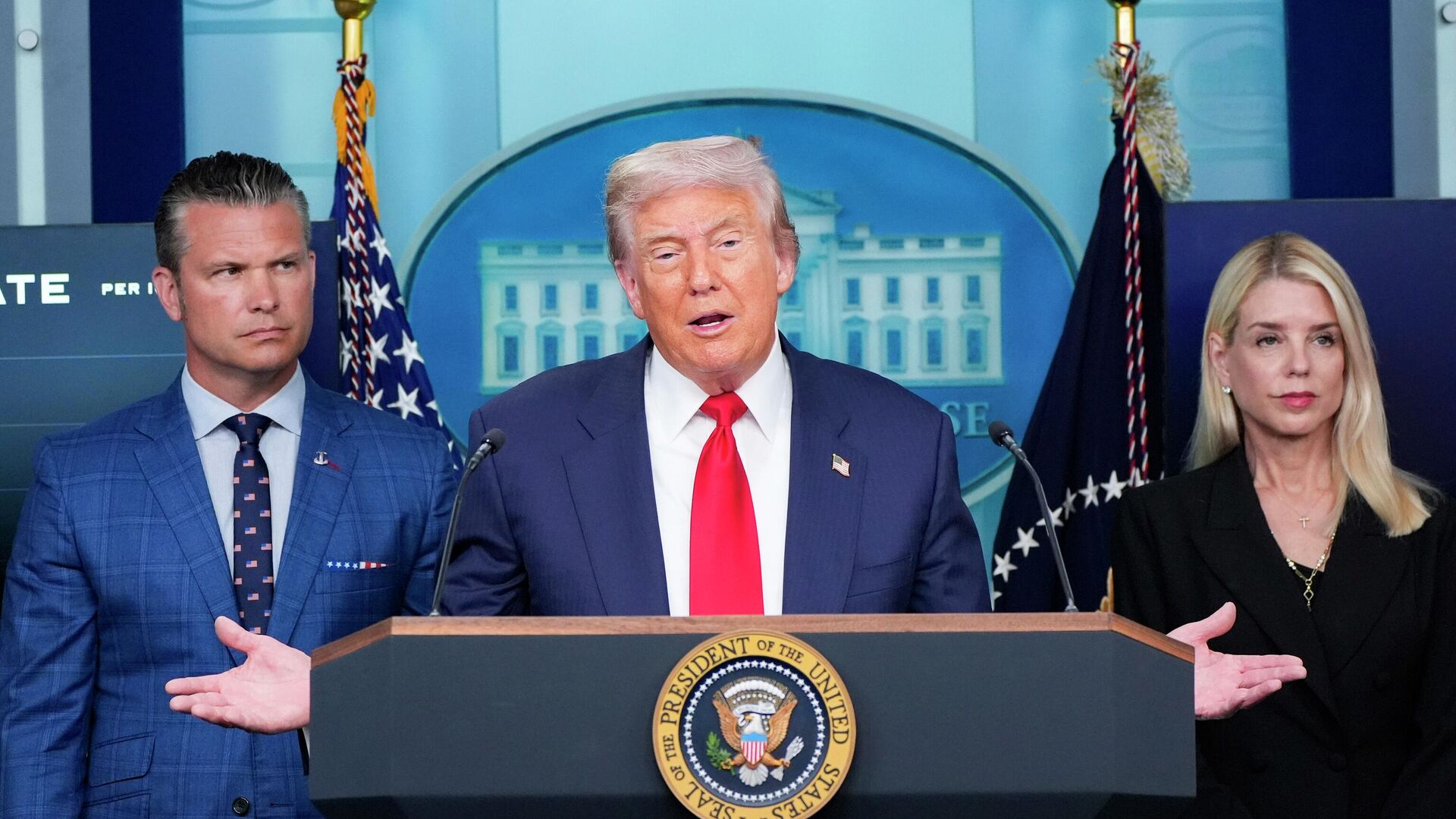
US President Donald Trump said the United States is in "very good and productive talks" with Iran to end hostilities, but Tehran officials deny this, while unofficially confirming they have received proposals from the American side.
Trump said the talks began late last week. He noted that, based on their nature and content, he had instructed the Department of Defense to postpone any military strikes on Iranian power plants and energy infrastructure for five days.
Later, speaking in Memphis, Trump declared that Iran was getting another chance at peace. He expressed hope that Tehran would seize this opportunity, adding that, in any case, he believed the United States and the world would be safer.
Trump previously threatened to strike Iranian power plants if Iran did not unblock the Strait of Hormuz. In response, the Islamic Revolutionary Guard Corps declared its readiness to completely close the strait until the damaged energy facilities were restored.
The US President did not specify who exactly is conducting negotiations with the Iranian side, but American media, citing sources, reported that Special Presidential Envoy Steve Witkoff and Jared Kushner are participating.
In Iran, Trump's statements were refuted. Parliament Speaker Mohammad Bagher Ghalibaf stated that negotiations with the US were not ongoing, accusing the American president of spreading "fake news" to influence oil prices. The Iranian Foreign Ministry had previously voiced a similar position.
At the same time, a senior Iranian Foreign Ministry official, speaking on condition of anonymity, reported that Tehran had received proposals from the US through intermediaries and was currently reviewing them. According to sources, this could indicate possible preparations for negotiations.
Turkey, Egypt, and Pakistan are reportedly acting as mediators in the contacts. According to available information, in recent days, the foreign ministers of these countries held separate meetings with US Special Envoy Steve Witkoff and Iranian Foreign Minister Abbas Araghchi.
Trump also stated that the US is negotiating with the "top official" in Iran, but not with the Supreme Leader. He noted the participation of Middle Eastern partners in the discussions.
According to him, if the negotiations are successful, the situation could end in an agreement. Otherwise, Trump stated, the US will continue to carry out strikes.
He stressed that he views the current negotiations as a chance to reach an agreement, adding that within five days it will become clear whether they will lead to a result.
Trump also stated that Iran is willing to give up its nuclear weapons development as part of a possible deal. He said that if an agreement is reached, "there will be no more wars and no more nuclear weapons."
Following the US President's statements, oil prices fell sharply: the price of Brent crude fell from approximately $108 to $94 per barrel, after which it partially recovered to around $97.
Despite claims of negotiations, hostilities continue. The US and Israel continue to strike targets in Iran, and Iran is retaliating.
The Israel Defense Forces (IDF) reported an airstrike on an Islamic Revolutionary Guard Corps (IRGC) headquarters in Tehran. According to the Israeli side, the facility was used to coordinate the actions of IRGC units and the Basij.
The aftermath of strikes on Iranian targets, including the Sirjan naval base and the building of the Sayran company, which is associated with military production, was also recorded.
Meanwhile, the Islamic Revolutionary Guard Corps announced drone strikes against Israel, as well as three American bases in Kuwait, Saudi Arabia, and the United Arab Emirates. There was no official confirmation of these attacks from these countries, but air raid alerts were issued in several countries in the region.
Against this backdrop, tensions remain high, and the development of the situation will largely depend on the results of possible negotiations in the coming days.