Translated with AI





























Central Asia is rapidly emerging as a new tech growth hub, fueled by expanding investment activity, growing international interest, and a new generation of globally minded professionals. Digital ecosystems in the region are moving from an early stage of development to more structured and scalable models, enabling companies to create products, innovate, and compete globally.
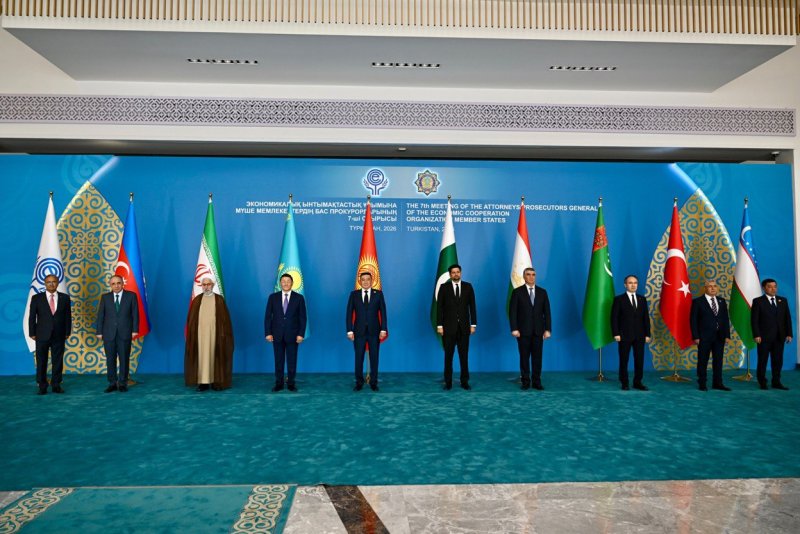
One significant step in this direction was the strengthening of regional cooperation: Tajikistan officially joined the Central Asian Innovation Hubs. The memorandum was signed during the first C5+1 summit in Japan by representatives of IT Park Uzbekistan, Astana Hub, and IT Park Dushanbe, reflecting a shared commitment to creating a more connected and investment-attractive regional ecosystem.
For Tajikistan, this step opens new opportunities to strengthen its own startup ecosystem, integrate into regional innovation processes, and expand local founders' access to international markets, expertise, and investment.
Despite the importance of institutional partnerships, the most tangible results of this collaboration are evident in the development of the region's startup ecosystem.
Uzbekistan, in particular, demonstrates one of the fastest startup ecosystem growth rates in the world—over 130%, ranking second globally according to the StartupBlink Global Startup Ecosystem Index 2025. This progress is driven by government support, growing venture capital activity, and a comprehensive entrepreneurial support system.
As a result, the country is gradually emerging as a "startup nation," where Uzbek projects are gaining increasing visibility and support, expanding into international markets, attracting foreign investment, and creating solutions capable of competing globally. With the support of a growing ecosystem, founders are moving from local experiments to creating products aimed at international scalability and long-term impact.
Today, entrepreneurs in Uzbekistan operate in a rapidly developing ecosystem, including acceleration programs, co-investment mechanisms, and infrastructure aimed at supporting international expansion. The emergence of successful scale-up companies, including unicorn-level projects, reflects the shift toward creating globally competitive businesses.
At the same time, regional cooperation strengthens these opportunities. Platforms such as the Central Asian Innovation Hubs, launched during ICT Week Uzbekistan 2024, provide startups with access to international accelerators, global technology events, and cross-border partnerships. Over 100 startups from Central Asian countries have already participated in leading global events, including Web Summit, TechCrunch Disrupt, GITEX Global, and London Tech Week, resulting in investment, partnerships, and expansion into new markets.
With Tajikistan's accession to this ecosystem, the country's startups gain access to these opportunities—from participation in international exhibitions to acceleration programs—allowing them to scale more quickly and integrate into the regional and global tech landscape.
In addition to increased visibility, growing connectivity facilitates knowledge sharing, talent development, and the alignment of approaches to ecosystem building between countries. Uzbekistan plays a key role in this process, sharing its experience in infrastructure development and startup support, as well as building long-term partnerships with neighboring countries.
As Central Asia strengthens its position on the global innovation map, the region is entering a new phase of development, characterized not only by growth but also by integration and synergy. For international partners, this opens a window of opportunity to engage with developing ecosystems that combine government support, competitive conditions, and significant potential.