Translated with AI



























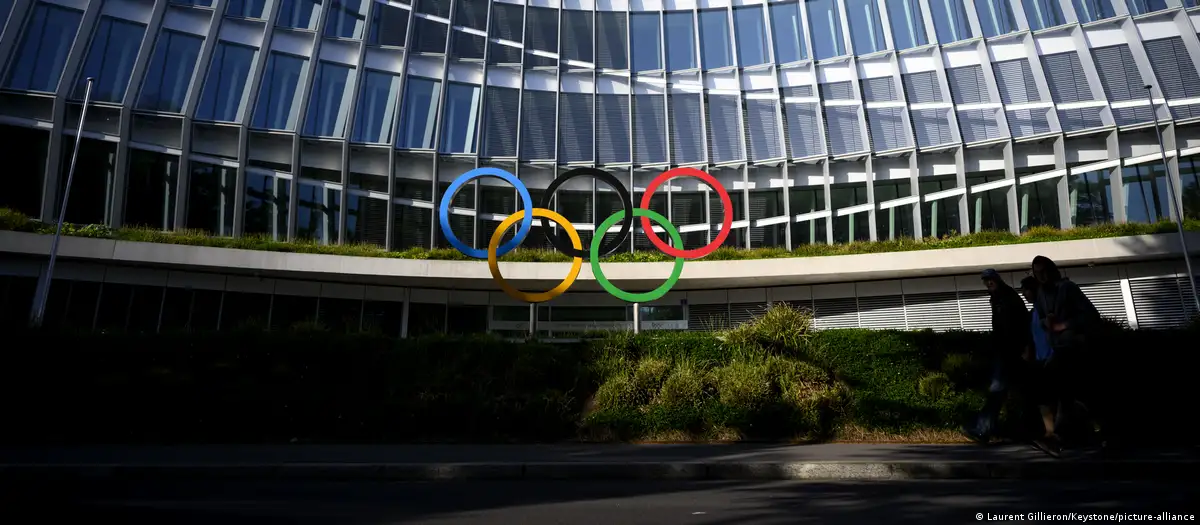
The International Olympic Committee (IOC) has mandated that athletes wishing to participate in women's competitions confirm their gender through genetic testing. This was announced in a March 26 post on the organization's website.
According to the new rules, participation in women's competitions at the Olympic Games will be possible only with proof of gender. This requirement will take effect starting with the 2028 Olympics in Los Angeles. It will also apply to other IOC-sponsored competitions, but will not be retroactive and will not affect amateur or mass sports.
IOC President Kirsty Coventry said the participation of biological males in the women's category would be unfair and, in some sports, unsafe.
The organization clarified that the presence of the SRY gene, which determines male gender, remains unchanged throughout life and is considered highly accurate proof that a person developed as a male. Genetic testing will be performed using saliva, cheek swabs, or a blood sample.
The IOC noted that the changes are based on research and athlete surveys. According to the organization, males provide a performance advantage in all sports and competitions that rely on strength, power, and endurance.
However, individuals with the SRY gene are allowed to participate in women's competitions if they are diagnosed with complete androgen insensitivity syndrome (CAIS) or other rare disorders of sexual development in which testosterone does not affect physical performance.
Other athletes with the SRY gene, including transgender individuals, will be able to compete in other categories that meet established requirements. Specifically, they will be allowed to compete in men's competitions and also hold positions in mixed categories.
The IOC's decision came more than a year and a half after the Summer Olympics in Paris, where Algerian athletes Iman Khelif and Taiwanese athlete Lin Yuting won gold medals in the women's boxing competition. Media reports claimed they had failed gender testing and possessed the SRY gene.
The discussion of their participation in women's competitions generated widespread public attention. The discussion included US President Donald Trump, entrepreneur Elon Musk, author J.K. Rowling, and International Boxing Federation President Umar Kremlev.