Translated with AI
































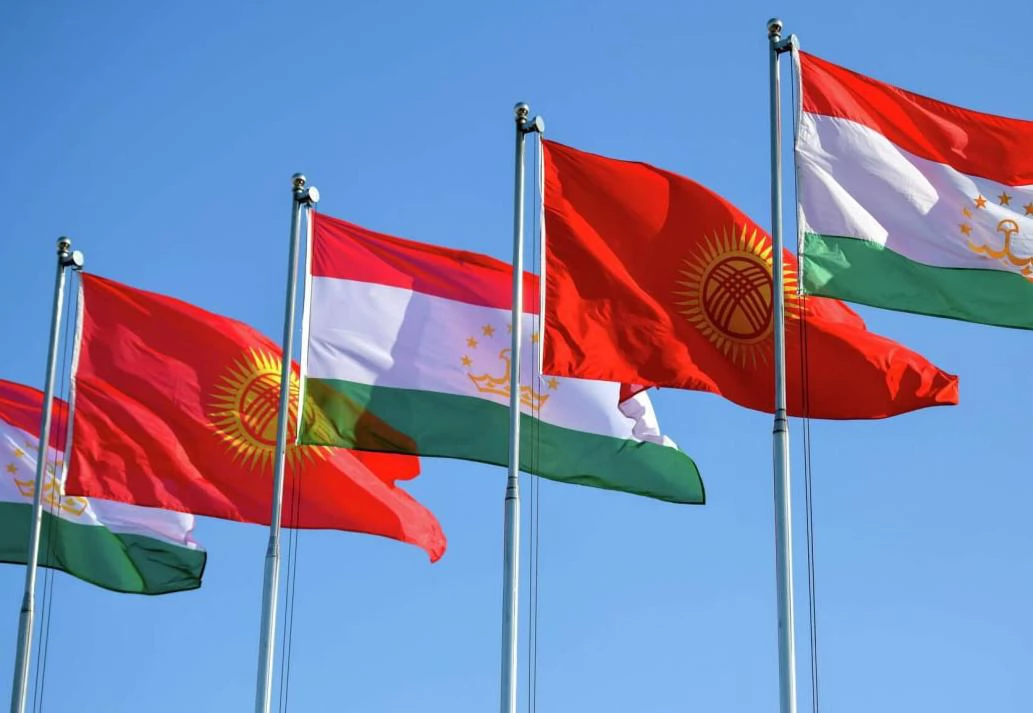
In 2025, trade turnover between the Republic of Tajikistan and the Kyrgyz Republic increased significantly, reaching approximately $33.4 million. This is almost three times higher than the 2024 figure, when mutual trade volume was approximately $11.6 million, representing a 187.9 percent increase. This was reported by the press service of the CIS Executive Committee.
According to data from the Customs Service of the Republic of Tajikistan, significant growth has been recorded in Tajik exports to Kyrgyzstan. In 2024, exports amounted to only $475,000, whereas in 2025, they increased to $9 million.
In particular, in 2025, Tajikistan exported table grapes worth US$1.92 million, cotton products worth US$607,000, and electricity worth US$557,000 to Kyrgyzstan.
Imports of goods from the Kyrgyz Republic to Tajikistan also increased significantly. While imports amounted to $11.1 million in 2024, this figure increased to $24.5 million in 2025.
The main imported goods in 2025 were lignite worth USD 9.5 million, oil and oil products worth USD 618,480, pasta worth USD 5.64 million, and bottles and flasks worth USD 1.14 million.
As noted, trade between Tajikistan and Kyrgyzstan has experienced both periods of growth and decline over the past ten years. The highest volume of mutual trade was recorded in 2018–2019, when it reached nearly $60 million, of which over $48 million was imported from Kyrgyzstan, while exports from Tajikistan exceeded $14 million.
Since 2020, a steady decline in trade figures has been observed. In 2021, trade turnover fell to $26.2 million, in 2022 to $15 million, and in 2023 it reached $11.4 million. In 2024, the figure remained at a minimum level of approximately $11.6 million.
In 2025, a positive shift was recorded in trade and economic relations between the two countries. According to analysts, the growth in mutual trade was made possible by the resolution of several key issues, including the delimitation of the Tajik-Kyrgyz state border, the opening of two new border crossing points, the intensification of political dialogue, and the signing of intergovernmental agreements.