Translated with AI























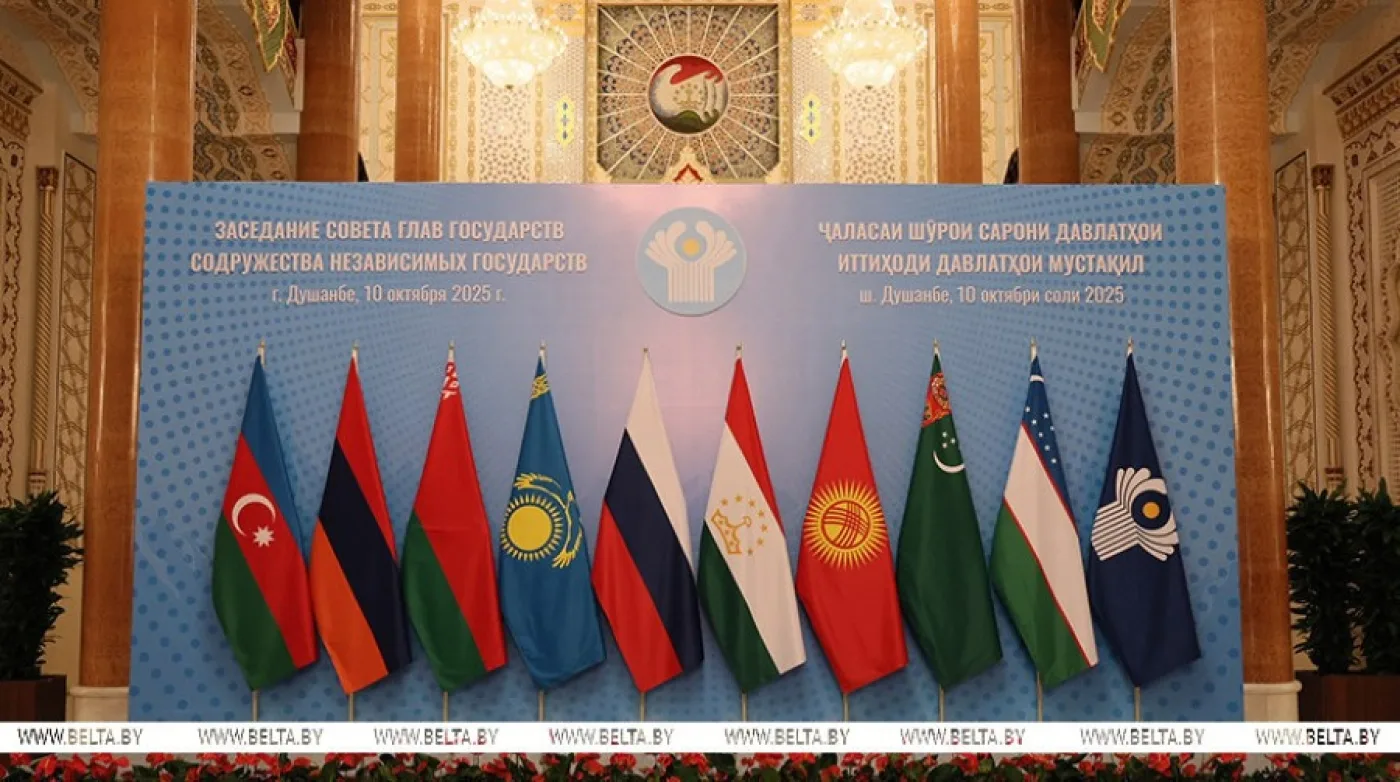
During the past five years, member states of the Commonwealth of Independent States (CIS) continued to demonstrate exceptional economic resilience amid global turbulence. By the end of 2025, these trends have continued to strengthen, with positive trends in key indicators remaining steady and above global averages. This was reported by the press service of the Organization's Executive Committee.
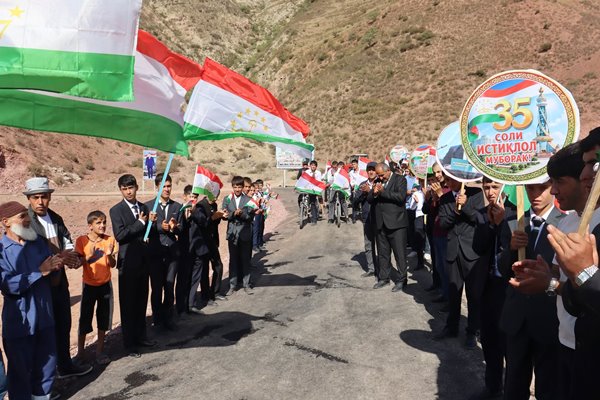
The mission of chairing the Commonwealth during this important year was entrusted to Tajikistan, which, together with other CIS member states, provided effective support for the course of further strengthening interstate cooperation in all areas.
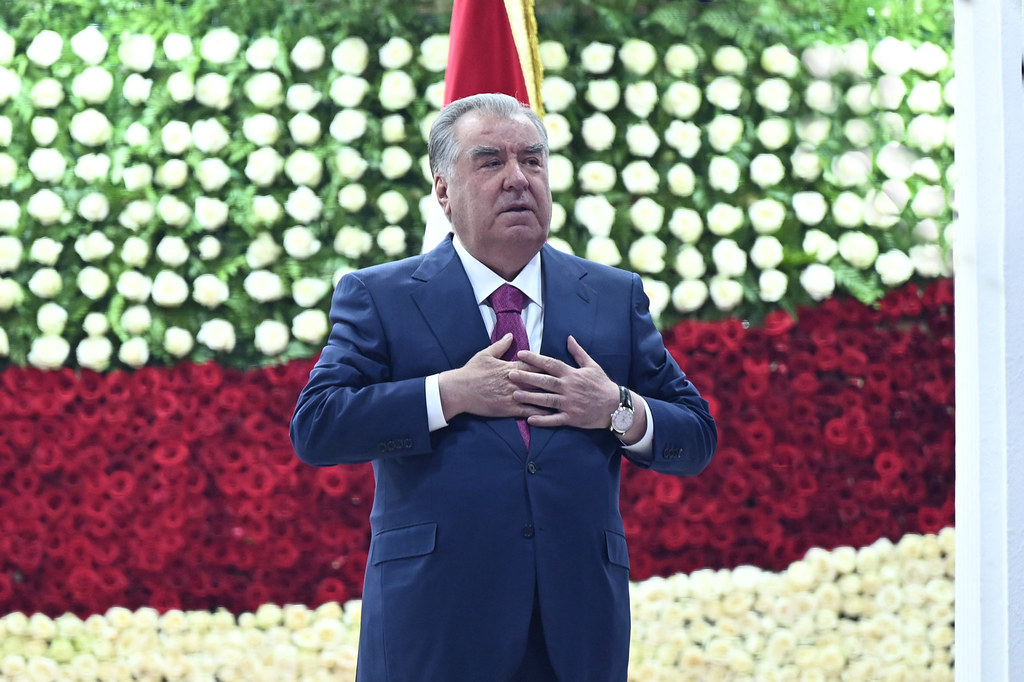
As President of the Republic of Tajikistan Emomali Rahmon noted, during its CIS chairmanship, Tajikistan was committed to "constructive work to further develop multilateral cooperation between all CIS member states." According to the Tajik leader, the measures taken in this direction were "based primarily on the principles of friendship, mutual respect and trust, mutually beneficial cooperation, and consideration of the interests of all parties."
The main focus of the Tajik chairmanship was on advancing practical cooperation and strengthening economic, technological, investment, and humanitarian ties between the Commonwealth countries. Close attention was paid to improving the CIS's activities, expanding trade, economic, transport, and logistics cooperation, digital integration, as well as ensuring energy stability and actively promoting humanitarian cooperation. Particular attention was also given to strengthening cooperation in countering modern challenges and threats.
Last year marked the completion of the first stage of the Commonwealth of Independent States Economic Development Strategy through 2030, approved by the Decision of the CIS Council of Heads of Government on May 29, 2020. The action plan for implementing the second stage (2026–2030) of this Strategy was approved on September 30, 2025.
Over the past five years, CIS member states continued to demonstrate exceptional economic resilience amid global turbulence. With key indicators confidently maintaining positive dynamics at levels above the global average, these trends are expected to further accelerate in 2025.
Gross domestic product growth in six of the eleven CIS countries remained quite strong last year, exceeding 5 percent. Kyrgyzstan's economy expanded by a record 11.1 percent, Tajikistan's by 8.4 percent, and Uzbekistan's by 7.7 percent. Moreover, the comparative baseline for the previous year was also high: 9 percent in Kyrgyzstan, 8.4 percent in Tajikistan, and 6.5 percent in Uzbekistan. In 2025, virtually all CIS countries, actively participating in the development of the common economic space, remained in the growth zone.
The high level of mutual trade between the Commonwealth countries remained one of the drivers of economic growth. Belarus's trade turnover with CIS countries accounted for 65 percent of its total turnover. With Kazakhstan alone, Belarus increased trade by 20 percent in the first ten months of 2025, reaching $937 million. The CIS countries' share of Kyrgyzstan's and Tajikistan's foreign trade exceeded 40 percent. Azerbaijan's trade turnover with CIS member states increased by 7.2 percent in the first eleven months of 2025.
An increase in the share of settlements between Commonwealth countries in national currencies has been noted, reaching 96 percent, which minimizes the dependence of national financial settlement systems on unfavorable external factors, including sanctions pressure.
Several CIS countries recorded growth in industrial production in 2025. In Tajikistan, industrial output exceeded last year's figures by almost a quarter—22 percent—and in Kyrgyzstan, by 10.6 percent. Significant results were seen in the industrial sector of Kazakhstan, where annual growth was 7.5 percent, and Uzbekistan, where it grew 6.8 percent (for the first 11 months of 2025).
The rapid growth of industrial production was accompanied by increased investment activity. Compared to January–September 2024, fixed capital investment increased by over 10 percent in seven of the eleven CIS countries. Armenia and Tajikistan led the way, with growth of 20.7 and 20.4 percent, respectively. Investment growth in Belarus was 15.3 percent, in Kazakhstan 13.5 percent, in Kyrgyzstan 18.8 percent, and in Uzbekistan 15.2 percent.
The main areas of work within the CIS remain the deepening of industrial cooperation, the development of scientific, technological and innovative collaboration, and the implementation of coordinated and joint activities to develop individual industries – chemical, automotive and civil shipbuilding.
The coordinated adoption of comprehensive measures by CIS states also covers the energy sector, transport, and communications, ensuring their uninterrupted operation and the widespread realization of their transit potential, noted Sergei Lebedev.
In 2025, cooperation mechanisms with states, intergovernmental associations, and international organizations outside the region were expanded. The established CIS observer and partner institutions began operations, and corresponding procedures were implemented for the first time with respect to the Shanghai Cooperation Organization (SCO), including leading global and regional players. Granting the SCO observer status within the CIS underscored the importance of aligning integration initiatives across the Eurasian space, bringing together work within the Commonwealth, the Eurasian Economic Union, and other integration associations.
The "CIS+" format marks another step toward engaging new countries in integration processes. Cooperation among the Commonwealth member states is characterized by constructiveness and the absence of rigid political and economic demands.
In the area of security, the CIS continues to develop joint initiatives, including securing external borders, developing a unified air defense system, cooperating between defense ministries and competent authorities to detect and investigate crimes, and combating terrorism, corruption, and money laundering.
Particular attention was paid to human rights activities in 2025. The CIS Human Rights Commission, relaunched in 2023, established effective cooperation between representatives of Commonwealth states, organized an equal dialogue based on mutual respect and consideration of cultural and historical specificities, facilitating the promotion and protection of human rights in the Commonwealth.
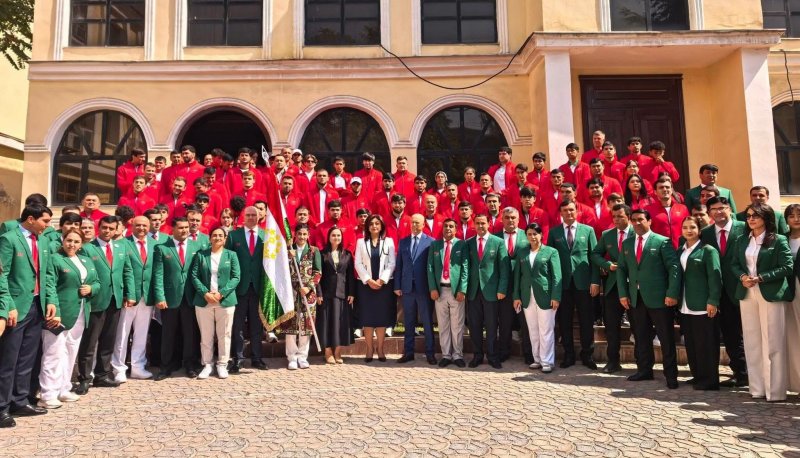
The year's social and humanitarian agenda included science and culture, education and healthcare, sports, tourism, and other areas. The Republic of Azerbaijan successfully implemented the "Cultural Capital of the Commonwealth," "Youth Capital of the CIS," and "Sports Capital of the Commonwealth" projects. The 18th Forum of Creative and Scientific Intelligentsia of the CIS States was held in Dushanbe, where laureates received awards from the Interstate "Stars of the Commonwealth" Prize and the International "Commonwealth of Debuts" Prize.
The Third CIS Games in Azerbaijan and the First Winter Spartakiad of the CIS countries in Ufa among children with disabilities deserve special attention.
In 2025, work continued to strengthen the institutional framework for cooperation. Eight new CIS core organizations were established, including four in healthcare, two for advanced training for economic sectors, one in education, and one for educational and scientific activities in the security sector.
In 2026, Turkmenistan will assume the CIS Presidency. President Serdar Berdimuhamedov stated that the main goal during his presidency will be strengthening cooperation and partnerships among the CIS member states to maximize the CIS's potential, effectively develop countries, and improve prosperity and quality of life for their people.