Translated with AI
























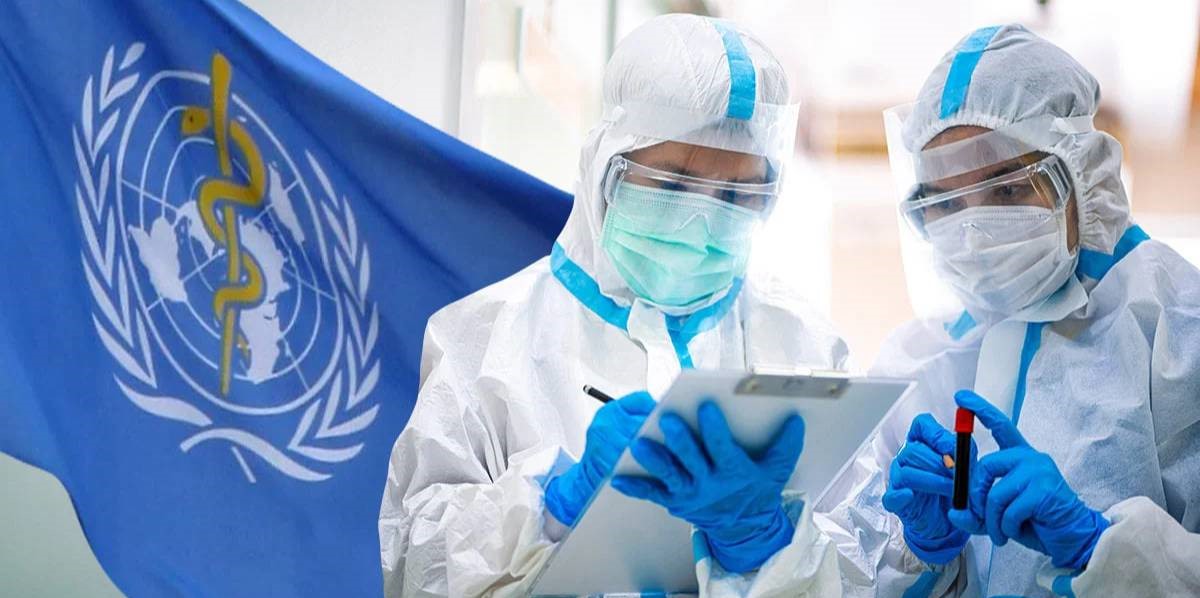
The COVID-19 pandemic has clearly demonstrated the catastrophic consequences infectious diseases and epidemics can have on human lives and socioeconomic development, especially in the poorest and most vulnerable countries. The UN is reminding the world of this on the occasion of International Day of Epidemic Preparedness, celebrated on December 27, the Organization's press service reports.
Epidemics and pandemics overwhelm national health systems, disrupt global supply chains, and disproportionately affect vulnerable populations, including women and children.
Without adequate attention from the international community, future epidemics could surpass previous outbreaks in scale and severity. Therefore, special attention is paid to raising awareness, sharing information, scientific knowledge, and best practices, as well as developing educational and awareness-raising programs at the local, national, regional, and global levels.
The UN also emphasizes the need to strengthen epidemic prevention measures and improve preparedness for a rapid and adequate response to any future threats. A comprehensive "One Health" approach plays a key role in this context, facilitating collaboration between the human, animal, and plant health sectors, as well as environmental and other relevant agencies.
“Our best defense is not just science, but also strong local health systems, well-equipped frontline health workers, and local leaders ready to lead their communities in times of crisis,” said UN Secretary-General António Guterres in his message for the Day.
The United Nations system, in particular the World Health Organization, continues to play a central role in coordinating global efforts to respond to epidemics.
The Secretary-General recalled that the threat of epidemics and pandemics is growing, and humanitarian crises are multiplying, so "action cannot be delayed." In this regard, countries, together with the World Health Organization, have developed the Pandemic Agreement, which aims to ensure equal access to vaccines, treatments, equipment, information, and medical care worldwide.
"When communities are protected, we are all protected," the UN chief stressed.