Translated with AI






























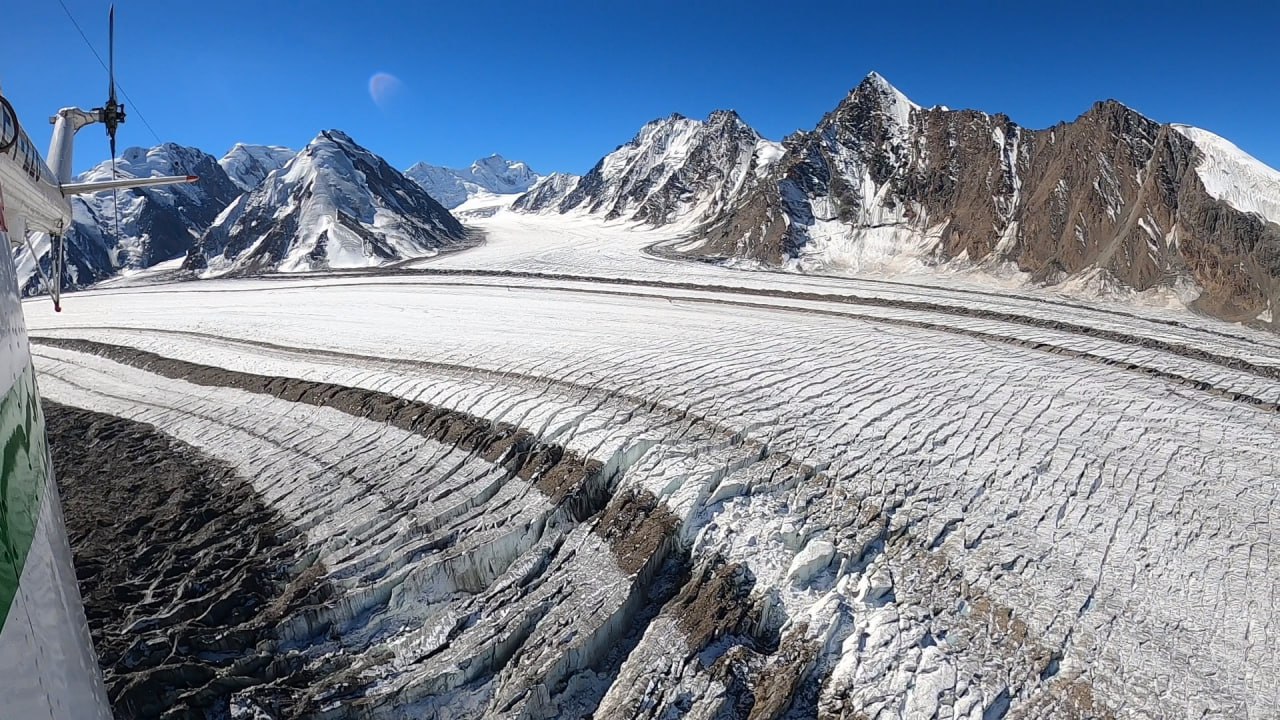
The Asian Development Bank (ADB) has approved a $3 million grant to strengthen Tajikistan's capacity for glacier monitoring and disaster forecasting. The grant is provided by the Japan Fund for a Prosperous and Resilient Asia and the Pacific (JFPR), financed by the Government of Japan through ADB, the bank reported.
"Glaciers and snow are essential for water supply, agriculture, and hydropower, but their rapid melting, caused by extreme weather events, can trigger devastating floods, avalanches, and other disasters. This project will help the country gain advanced tools and skills to predict and respond to these threats, ensuring life safety and strengthening resilience," said ADB Country Director for Tajikistan Ko Sakamoto.
The Agency for Hydrometeorology (Hydromet) will be the implementing agency for the project, which is scheduled for completion by 2029 and will be primarily implemented in selected areas of the Gorno-Badakhshan Autonomous Region.
The project will enable Hydrometeorological Center to improve the accuracy and efficiency of glacier and snow cover monitoring by creating a unified, integrated digital data system that will improve data collection, storage, and analysis. The project also includes upgrading monitoring stations to collect and transmit data in real time, digitizing historical glacier data, and implementing advanced technologies, including remote sensing and machine learning, to effectively monitor the cryosphere and predict natural disasters.
To manage the unified data system, Hydromet technical staff will undergo training in modern methods of monitoring and data management, with the active participation of women.
The project will also improve early warning systems for the public regarding cryospheric hazards by creating disaster risk management plans, improving communication between local authorities and the public, and ensuring the clarity and timeliness of warnings.
Tajikistan joined ADB in 1998. As part of its cooperation with the bank, projects have been implemented to modernize transport infrastructure, including the Obigarm–Nurobod, Dushanbe–Bokhtar, Ayni–Penjikent, Dushanbe–Tursunzoda, and Vose–Khovaling roads; rehabilitate irrigation and water supply systems; construct hospitals and schools; build power lines and substations; reconnect the country's power grid to the Central Asian power grid; and reconstruct large hydroelectric power plants, including the Nurek hydroelectric power station.
ADB is a leading multilateral development bank supporting inclusive, resilient, and sustainable growth in Asia and the Pacific. It uses innovative financial instruments and strategic partnerships to transform people's lives, build quality infrastructure, and protect the planet. Established in 1966, ADB is owned by 69 members—50 from the region.