Translated with AI
















The World Health Organization (WHO) installed modular heating and water treatment systems in 11 hospitals in Ukraine by 2025. These measures are aimed at ensuring the continued operation of medical facilities amid ongoing security threats and utility service disruptions, the organization's press service reported.
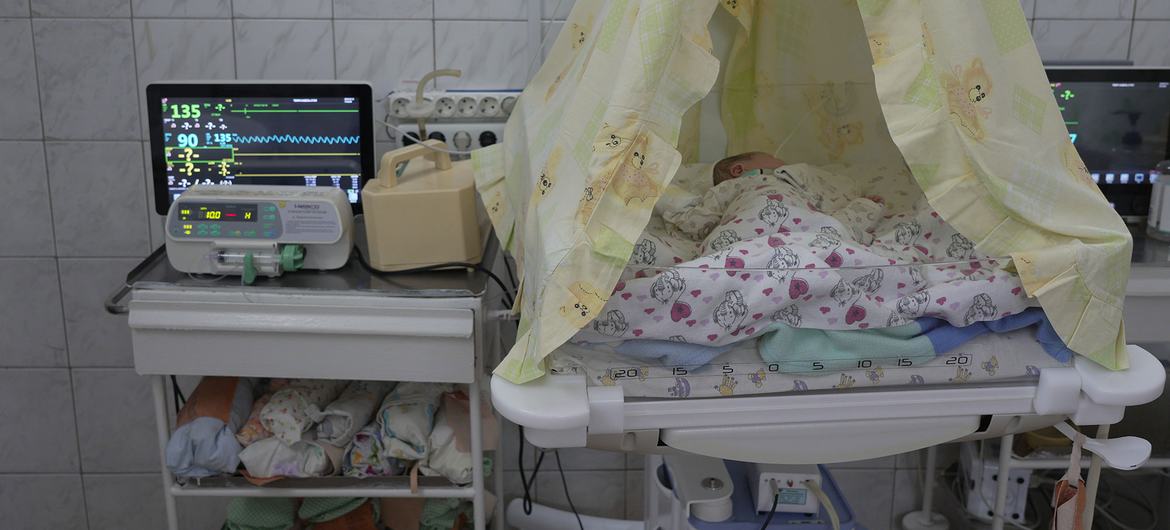
Emergency medical care in hospitals directly depends on the availability of electricity, water, and heating. Electricity is essential for diagnosis, surgery, and the operation of medical equipment. Water ensures sanitation and prevents infections, while heating maintains patient health and maintains the functionality of equipment. Failure of these systems can significantly reduce hospital capacity, putting the lives of thousands of people at risk.
Since the beginning of the full-scale invasion of Ukraine, the WHO has recorded 2,762 attacks on the country's healthcare system. Civilian and social infrastructure in Ukrainian settlements is under constant attack.
Autonomous heating systems With financial support from the European Union, WHO delivered six modular heating units to hospitals in the Zaporizhzhia and Chernivtsi regions, home to approximately 1.7 million people, including internally displaced persons.
Modular heating systems offer a number of advantages in military settings. They operate independently of centralized heating networks, can be quickly installed, and can be used with a variety of fuels. The units maintain a constant temperature in rooms, protect patients, staff, and medical equipment from the cold, and ensure the smooth operation of facilities.
Autonomous water purification systems WHO also installed five water treatment plants in major hospitals in Kharkiv and the Kharkiv region. The systems are designed to operate independently of centralized utilities, allowing millions of people to have access to uninterrupted medical care.
Each unit provides multiple stages of water purification, beginning with mechanical filtration and disinfection. Additional treatment methods can be used to achieve the highest level of purity. This is especially important for surgical departments, maternity wards, and other units providing emergency and intensive care.