Translated with AI

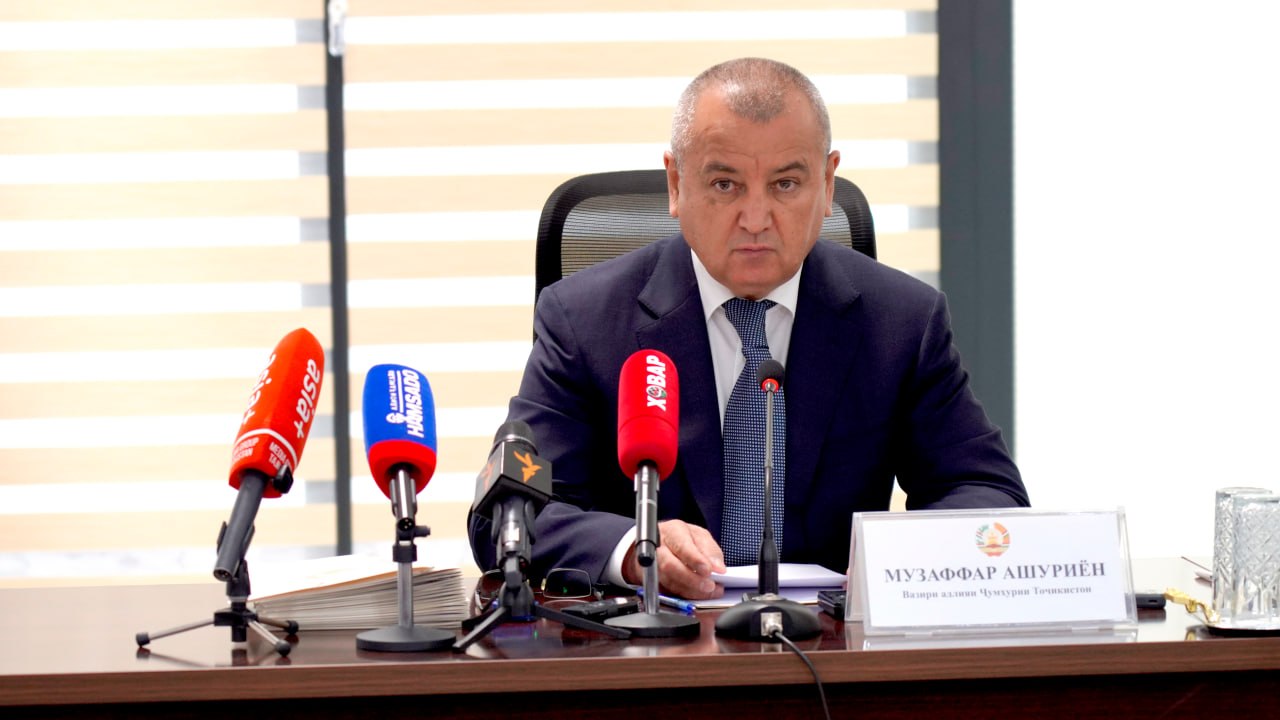
















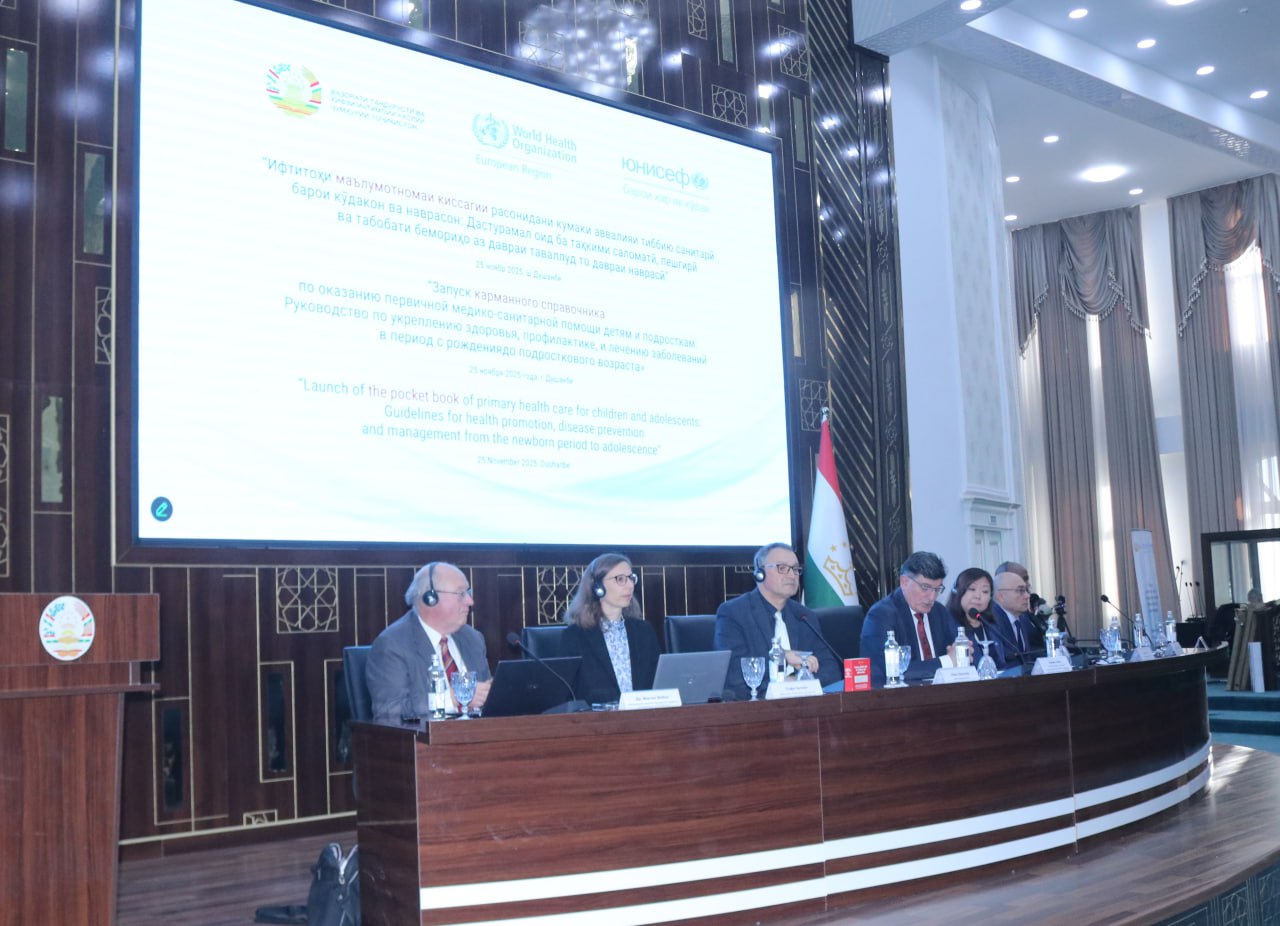
In Dushanbe, the Ministry of Health and Social Protection of the Republic of Tajikistan presented a new pocket guide on primary health care for children and adolescents. The guide is designed to promote health, prevent, and treat diseases from birth to adolescence, according to the ministry's press service.
The World Health Organization (WHO) and the United Nations Children's Fund (UNICEF) supported the adaptation of this international manual for Tajikistan. The handbook will be distributed nationwide in print and digital formats.
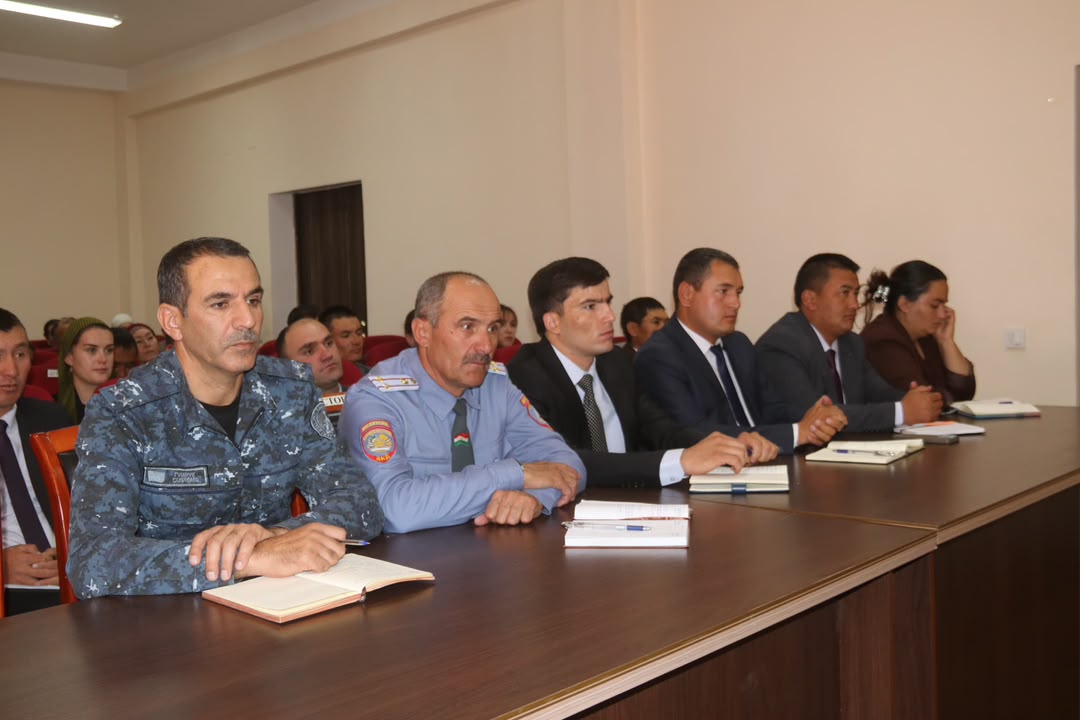
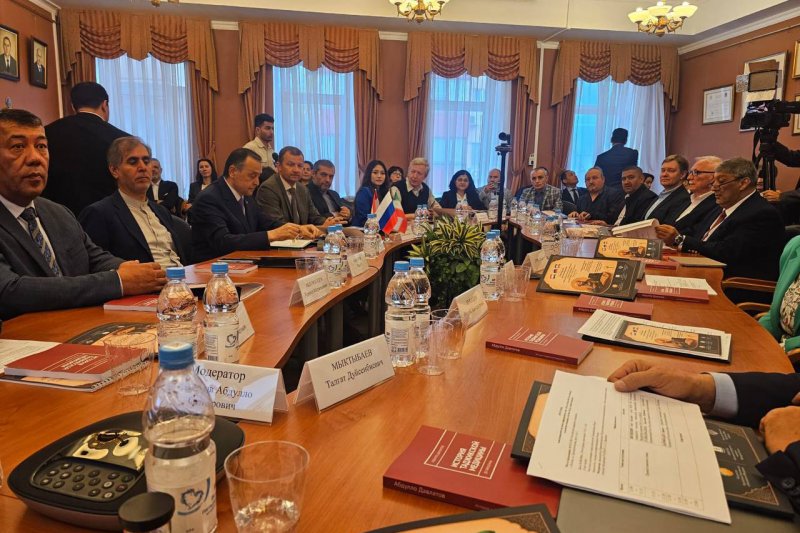
As part of an event dedicated to the results of the handbook's adaptation, a working meeting was held at the Ministry of Health and Social Protection of the Republic of Tajikistan. Participants included specialists from relevant departments and divisions of the ministry, representatives of the State Service for Sanitary and Social Surveillance, higher medical educational institutions, heads of pediatric departments, leading industry specialists, and healthcare representatives from the Gorno-Badakhshan Autonomous Region, Khatlon and Sughd regions, as well as the city of Dushanbe. Additionally, the meeting was attended by heads of the network of KATS institutions in cities and districts of republican subordination, ministry departments, and international partners, including WHO, UNICEF, and consultants.
According to industry representatives, medical care at the CATS facilities in Tajikistan is organized based on family medicine principles. Children are monitored and receive medical care from family doctors and nurses from birth, through their early years, and into adolescence. Therefore, it is essential to ensure a continuous period of medical care throughout childhood and adolescence.
The handbook contains up-to-date information on the treatment of serious cases most frequently encountered by KATS staff, and also describes situations beyond the scope of individual specialists. This allows KATS staff to plan the diagnosis and treatment of children and adolescents with one or more chronic illnesses.
The document aims to strengthen a comprehensive approach to the health of children and adolescents, promote healthy lifestyles, prevent diseases, eliminate risk factors, and control chronic diseases.
Preventive interventions span the period from infancy to adolescence and include breastfeeding, follow-up visits to the doctor, complementary feeding, early identification of developmental problems, timely intervention, support for early childhood development, and improving health literacy in adolescents.
The handbook is intended for specialists of KATS institutions and a wide range of healthcare workers providing services to children, including pediatricians, infectious disease specialists, resuscitation specialists, as well as senior students, residents of clinical internships and postgraduate training at higher medical educational institutions.