Translated with AI






















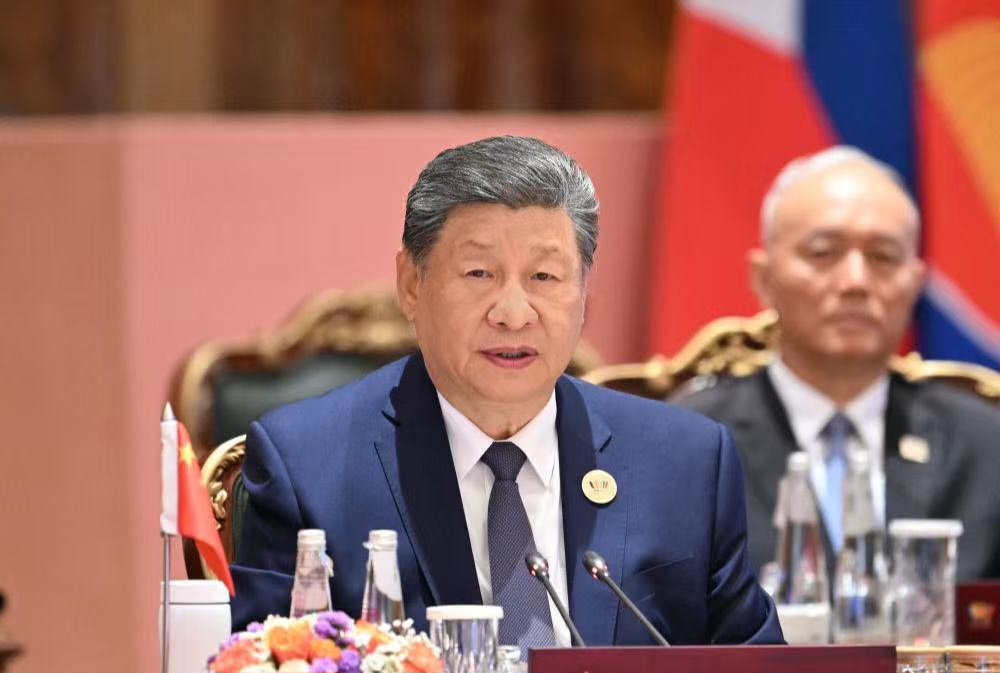







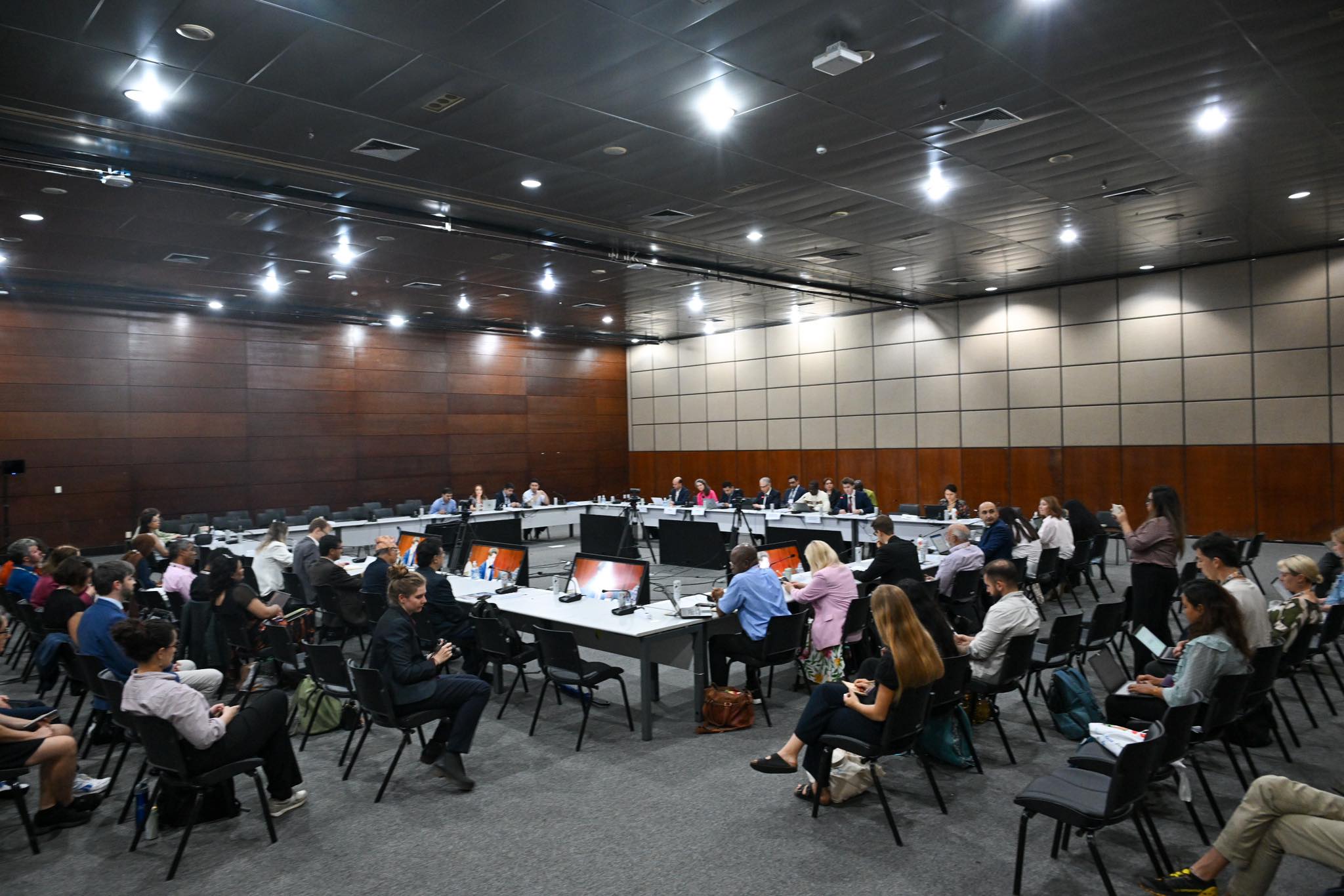
A high-level event, initiated by the Republic of Tajikistan and the High-Level Panel "Ambition on Melting Ice" (AMI), was held in Brazil during the UN Climate Change Conference (COP-30) on the accelerating loss of the global cryosphere. This was reported by the press service of the Committee for Environmental Protection under the Government of the Republic of Tajikistan.
The event was opened by COP-29 Chairman Mukhtar Babayev of Azerbaijan and Icelandic Minister of Environment, Energy, and Climate Jóhann Páll Jóhannsson. They emphasized that preserving glaciers and snow cover is key to ensuring the stability of water resources, protecting coastlines, preventing the risk of dangerous climate change, and maintaining ecological balance.
Leading scientists have presented the latest data showing that cryosphere melting is occurring faster than expected and is exceeding adaptation limits in many regions.
A roundtable discussion followed with ministers and representatives from Chile (Ministry of Environment), the Kingdom of Monaco (Ministry of Public Works, Environment, and Urban Development), Fiji (Ministry of Environment and Climate Change), Nepal (Ministry of Agriculture and Livestock), Liberia (Environmental Protection Agency), Pakistan (Ministry of Climate Change), Bangladesh (Ministry of Finance), Georgia (Ministry of Environment), and representatives of the Asian Development Bank. The countries shared their experiences in glacier conservation, sea level rise, and other risks associated with cryospheric instability.
Participants emphasized the need to integrate cryospheric issues into national adaptation and resilience strategies, particularly in the context of achieving the goal of limiting global warming to 1.5°C. They also noted the importance of expanding monitoring, early warning systems, and financial support for the most vulnerable countries. The event particularly recognized the contribution of the Republic of Tajikistan to the International Year of Glaciers (2025), which is heightening global attention to the problem of rapid glacier melt.
The event concluded with a call for increased global climate ambition without the use of risky geoengineering methods to avoid irreversible tipping points for glaciers, ice sheets and ocean currents.