Translated with AI





























In Uzbekistan, all animals kept by individuals and legal entities are subject to mandatory registration. This follows from the law "On the Identification, Registration, and Monitoring of Animals," adopted on August 6, Fergana.ru reports, citing the Ministry of Justice press service.
The Committee for the Development of Veterinary Medicine and Animal Husbandry has been appointed as the authorized state body for the implementation of the provisions of the law.
The law sets specific deadlines for the identification and registration of various species of animals:
▪️ Cattle, sheep, goats and camels must be identified no later than 14 days after birth;
▪️ horses – no later than 4 months;
▪️ pigs – no later than 1 month;
▪️ Dogs and cats – no later than 3 months.
If identification is not completed within these time limits, it must be completed no later than one month after their expiration.
Animals imported into Uzbekistan for the purpose of keeping or breeding are subject to identification no later than 21 days from the date of import.
The Ministry of Justice did not specify when the law would come into force.
Back in 2017, the Ministry for the Development of Information Technology and Communications of Uzbekistan and the State Veterinary Committee were instructed to organize the phased identification of domestic animals and create a unified electronic information system to form a common database of identified animals.
Identification includes:
– assigning animals an individual number;
– entering information on animal identification into the electronic information system;
– issuance of a veterinary passport.
Individual numbers are assigned to animals depending on their species in the following ways:
a) Tagging—this involves attaching ear tags containing an identification number to cattle, sheep, goats, camels, and pigs. The tags remain on the animals' ears throughout their lives;
b) Branding (branding) – applied to horses and donkeys. A brand is applied to the left side of the body using liquid nitrogen: the republic and regional code are branded on the shoulder area, and a unique number is placed on the lumbar region. The brand must be 50 mm high and 30 mm wide.
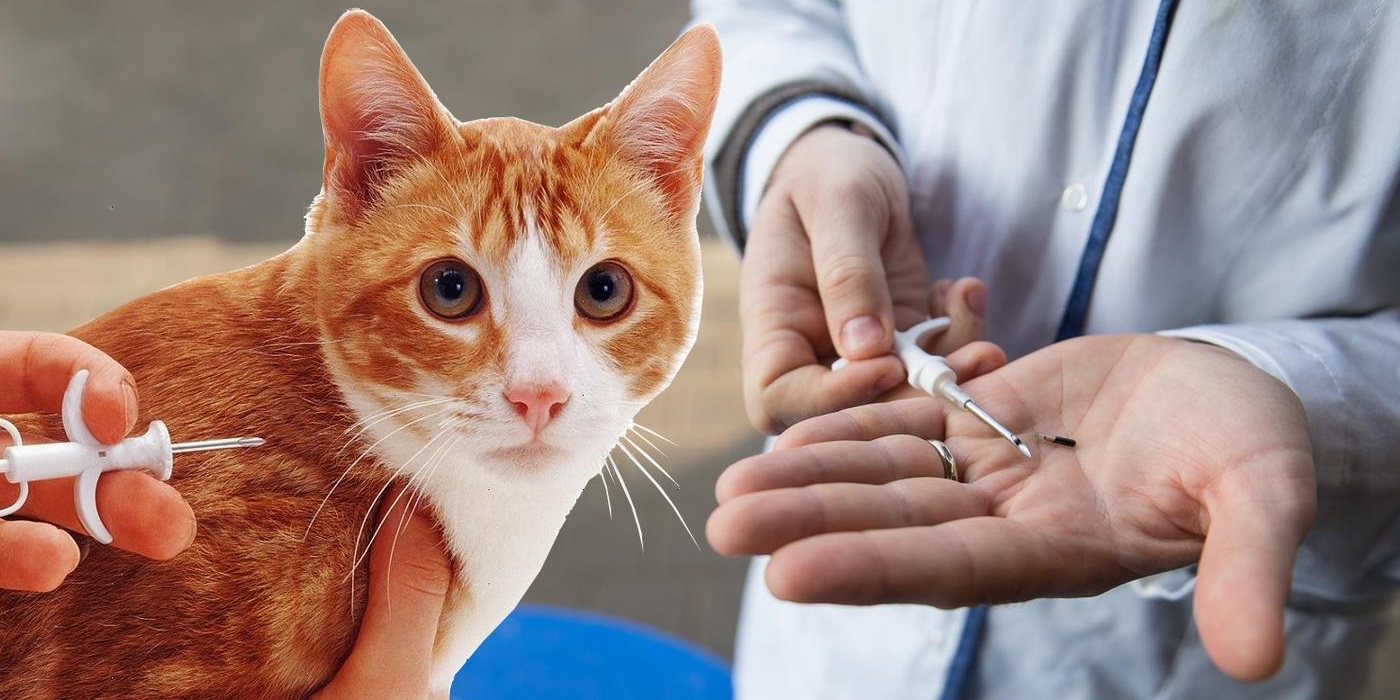
c) microchipping (electronic identification) – used for horses, dogs and cats.
When an animal's owner changes, or when it is moved from one region to another, the attribute storing the identification number does not change, but the corresponding changes are made to the electronic information system and veterinary passport.