Translated with AI

































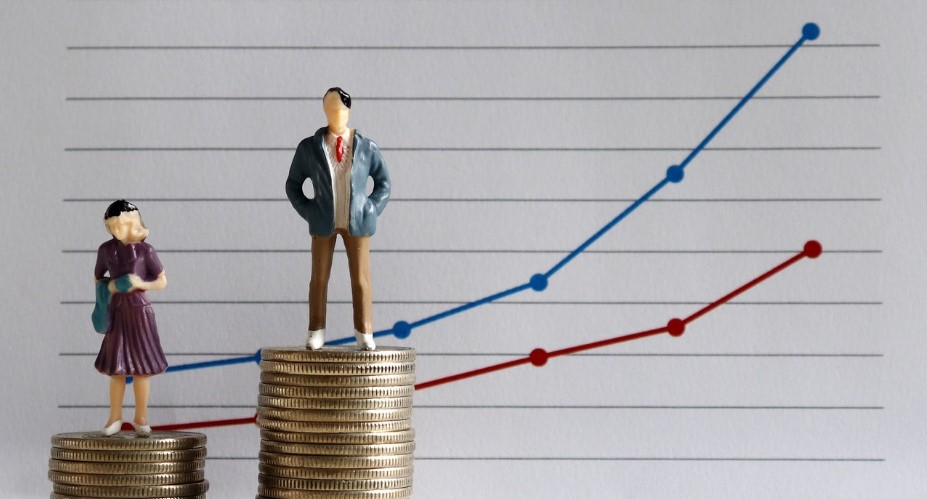
Today, girls are completing school at a higher rate than ever before, and maternal mortality has decreased by nearly 40 percent between 2000 and 2023. Rates of intimate partner violence are 2.5 times lower in countries that have taken comprehensive measures to combat violence. Over the past five years, 99 new or revised anti-discrimination laws have been introduced worldwide, according to the UN press service.
At the same time, negative attitudes towards women's rights, the narrowing of civic space and reduced funding for gender equality initiatives are threatening the progress made in this area.
This is stated in the new edition of the gender review prepared by UN Women and the UN Department of Economic and Social Affairs. Its authors emphasize that gender equality can be achieved if it is prioritized and invested in.
“Where gender equality has been prioritized, it has helped societies and economies move forward,” said UN Women Executive Director Sima Bacchus.
"Targeted investments in gender equality have the potential to transform societies and economies. Reducing the gender digital divide alone could benefit 343.5 million women and girls worldwide, lift 30 million women and girls out of poverty by 2050, and boost global GDP by an estimated $1.5 trillion by 2030," she added.
Negative trends
However, if current negative trends continue, by 2030, there will be 351 million women and girls living in extreme poverty worldwide, primarily in South and Central Asia. Today, 676 million women and girls live in conflict zones—the highest number since the 1990s.
In 2024, 64 million more adult women than adult men were food insecure. More than 30 percent of women worldwide lack sufficient dietary diversity.
Regional aspect
The status of women varies across countries and regions. For example, in Uganda, the proportion of women of reproductive age whose diet can be considered sufficiently diverse is only 12.7 percent, while in Tajikistan it is 80.4 percent.
The decline in maternal mortality rates is also uneven. In Central and South Asia, they fell by 72 percent, while in Europe and North America, where rates were lower, they fell by 45 percent. The highest maternal mortality rates are in sub-Saharan Africa, where they fell by 39 percent between 2020 and 2023.
In 2024, 70 percent of men worldwide used the internet, compared to 65 percent of women. However, in the least developed countries, these figures were 41 percent and 29 percent, respectively.
Gender equality benefits everyone
The report's findings show that gender equality is in retreat, but also suggest that with investment and political will, this trend can be reversed.
Accelerated action and policies to ensure women and girls have access to education, social protection and employment opportunities would help reduce the number of women and girls living in extreme poverty by 110 million by 2050, generating an estimated $342 trillion in global economic benefits.
The Review is the leading global source of data on gender equality and the 2030 Agenda for Sustainable Development. It draws on data from over 100 sources and tracks progress in empowering women and girls and achieving the Sustainable Development Goals. Currently, the international community is on track to achieve all of the targets under Goal 5, achieving gender equality, by 2030.