Translated with AI


























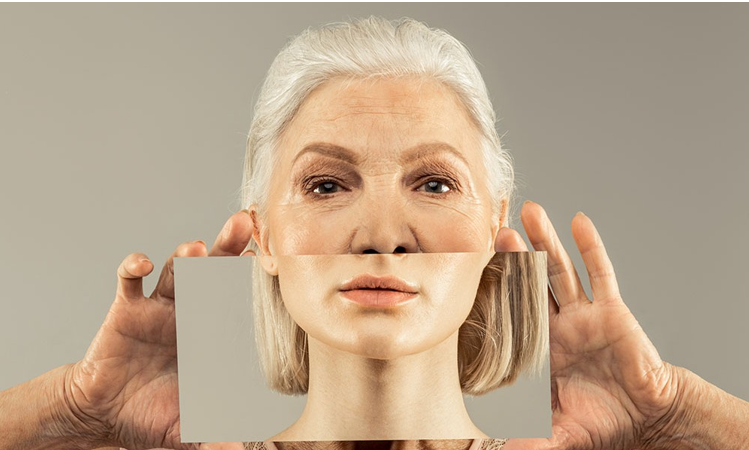
Many people believe that youth is a purely biological phenomenon, related to the age of cells and the functioning of the body. However, modern research shows that psychological state and lifestyle influence the aging process no less than genetics.
Active hobbies keep the brain sharp and slow down age-related changes. Meanwhile, calmer hobbies promote nervous system health. These could include reading, drawing, or playing slots, which the Azartoff casino mirror offers on phones or laptops. Each game trains strategic thinking and emotional resilience.
People with vibrant interests appear younger than their peers and demonstrate better cognitive function. Their eyes sparkle with enthusiasm, their movements remain energetic, and their speech is lively and emotional. This is not a coincidence, but the result of constant stimulation of various bodily systems.
A lack of hobbies leads to mental stagnation and accelerated aging. The brain, deprived of new stimuli, begins to function less efficiently, which affects the entire body. Therefore, finding and developing personal interests is an investment in longevity and quality of life.
https://medmente.ru/uploads/library/th/molodost-c1000x600.jpg
Psychological aspects of youth
Feeling youthful is largely determined by one's psychological state and outlook on life. Passionate people retain a childlike capacity for wonder and joy in new discoveries. This emotional outlook is communicated to others and influences their self-perception.
Continuous development and goal achievement within a hobby boosts self-esteem and gives a sense of control over life. People feel needed and capable, which dramatically impacts their behavior and appearance.
Creative hobbies are particularly effective for maintaining psychological youth. They develop imagination, spontaneity, and openness to new experiences—qualities associated with youth. Psychological factors for maintaining youth through hobbies include important aspects:
- Maintaining curiosity and interest in the world around us. Passionate people continue to ask questions and seek answers, regardless of age.
- Maintaining the ability to play and take some aspects of life lightly. The playful element in a hobby evokes childhood and youth.
- Developing stress resilience by switching to enjoyable activities. The ability to cope with difficulties maintains emotional youth.
- Maintaining an optimistic outlook on the future through plans and projects related to your passion. Having goals gives meaning to life.
- Building a positive identity isn't just about professional achievement. Diverse roles enrich the individual.
- Creating a source of internal motivation, regardless of external circumstances. Self-interest provides energy for life.
These psychological mechanisms work together to create a stable foundation for feeling and demonstrating youth at any age.
Physical impact on the body
Hobbies influence not only the brain but also all body systems. Even seemingly "inactive" hobbies like reading or crafts engage fine motor skills, maintain posture, and improve coordination.
Active hobbies—dancing, gardening, hiking—offer obvious benefits for physical health. They support cardiovascular fitness, muscle tone, and joint flexibility without the stress of sports training.
Regular physical activity, as part of a hobby, stimulates the production of youth hormones—endorphins, serotonin, and growth hormone. These substances slow down the aging process and improve overall well-being.
Physical benefits of active hobbies:
- Improving the cardiovascular system;
- Maintaining muscle tone;
- Development of coordination of movements;
- Strengthening the immune system;
- Normalization of hormonal levels;
- Improving sleep quality.
Even seemingly passive hobbies require a certain amount of physical activity and maintain the body's basic functions at a good level.
Neuroplasticity and cognitive health
The brain has an amazing ability to form new neural connections throughout life. This process is called neuroplasticity and is a key mechanism for maintaining a youthful mind. Hobbies stimulate the formation of new synapses and strengthen existing connections between neurons.
Learning new things activates different areas of the brain simultaneously, creating complex neural networks. Music engages the auditory, motor, and emotional centers. Visual art develops visual perception, fine motor skills, and spatial thinking.
Regular intellectual activity protects against age-related cognitive decline. People with active hobbies are less likely to suffer from dementia and maintain mental clarity longer into old age.
The mechanisms by which hobbies influence the brain include several important processes:
- Stimulating the growth of new neurons in the hippocampus. This region is responsible for memory and learning, and its activity is directly linked to cognitive youth.
- Strengthening the myelin sheaths of nerve fibers. Improved signal transmission between different areas of the brain.
- Increasing levels of neurotrophic growth factors. These proteins support neuronal viability and stimulate the formation of new connections.
- Activation of the reward system through the production of dopamine. The pleasure of doing something you love motivates you to continue developing.
- Reduced stress hormone levels when switching to a pleasurable activity. Chronic stress accelerates brain aging.
These biological processes explain why passionate people exhibit better memory, attention, and learning ability, regardless of age.
Memory and attention
Regularly engaging in a hobby trains different types of memory—working, long-term, and episodic. Musicians memorize complex pieces, artists memorize color combinations, and collectors memorize the details of their exhibits. This constant training keeps their memory in excellent condition.
Concentrating while doing something you love develops the ability to focus deeply. In an age of constant distractions, this is a particularly valuable skill that helps maintain mental youth.
Training and adaptation
Mastering new skills through hobbies supports the brain's ability to adapt and change. Older adults who continue to learn demonstrate neuroplasticity comparable to younger adults.
Constantly facing challenges and overcoming difficulties within a hobby develops resilience to stress and the ability to find creative solutions to problems.
Emotional regulation
Hobbies serve as a healthy way to manage emotions and stress. Focusing on a favorite activity helps distract from negative thoughts and restore emotional balance.
Creative hobbies are especially effective for emotional release. They allow you to express your feelings in a safe way and find beauty even during difficult times.
Social connections
Many hobbies involve socializing with like-minded people. Social activity is one of the most powerful factors in maintaining youth and protecting against age-related brain changes.
Sharing experiences, creating together, and building friendships within a hobby creates a supportive environment that motivates further development.
Social benefits
Hobbies create natural opportunities for social interaction and the formation of new relationships. Connecting with people of all ages through a hobby broadens horizons and maintains a sense of inclusion in an active life.
Intergenerational communication is especially valuable for maintaining youth. Contact with younger people energizes and helps keep up with current trends. At the same time, passing on experience to younger people gives a sense of significance and wisdom.
Participating in communities of common interest prevents social isolation, one of the main causes of accelerated aging. Regular interaction maintains communication skills and emotional flexibility. The social aspects of hobbies contribute to maintaining youthfulness:
- Expanding your social circle beyond professional and family circles. Diverse contacts enrich your social experience.
- The opportunity to act as a mentor to beginners. Teaching others strengthens your own knowledge and boosts your self-esteem.
- Participating in competitions and contests helps maintain a healthy sense of excitement. A competitive spirit motivates development.
- Joint projects and events with like-minded people. Teamwork develops social skills.
- Sharing knowledge and experience with fellow hobbyists. Continuous learning keeps you intellectually active.
Social activity within the framework of hobbies creates a supportive environment that motivates continuous growth and development.
Hobbies truly have a unique ability to slow the aging process at all levels—biological, psychological, and social. They stimulate brain function, maintain physical activity, enrich emotional life, and create opportunities for social interaction.
People with active interests not only live longer, but also maintain their quality of life, enthusiasm, and ability to enjoy every day. Therefore, investing time and energy in developing personal hobbies is one of the most effective ways to prolong not only life, but also youth in all its forms.