Translated with AI



















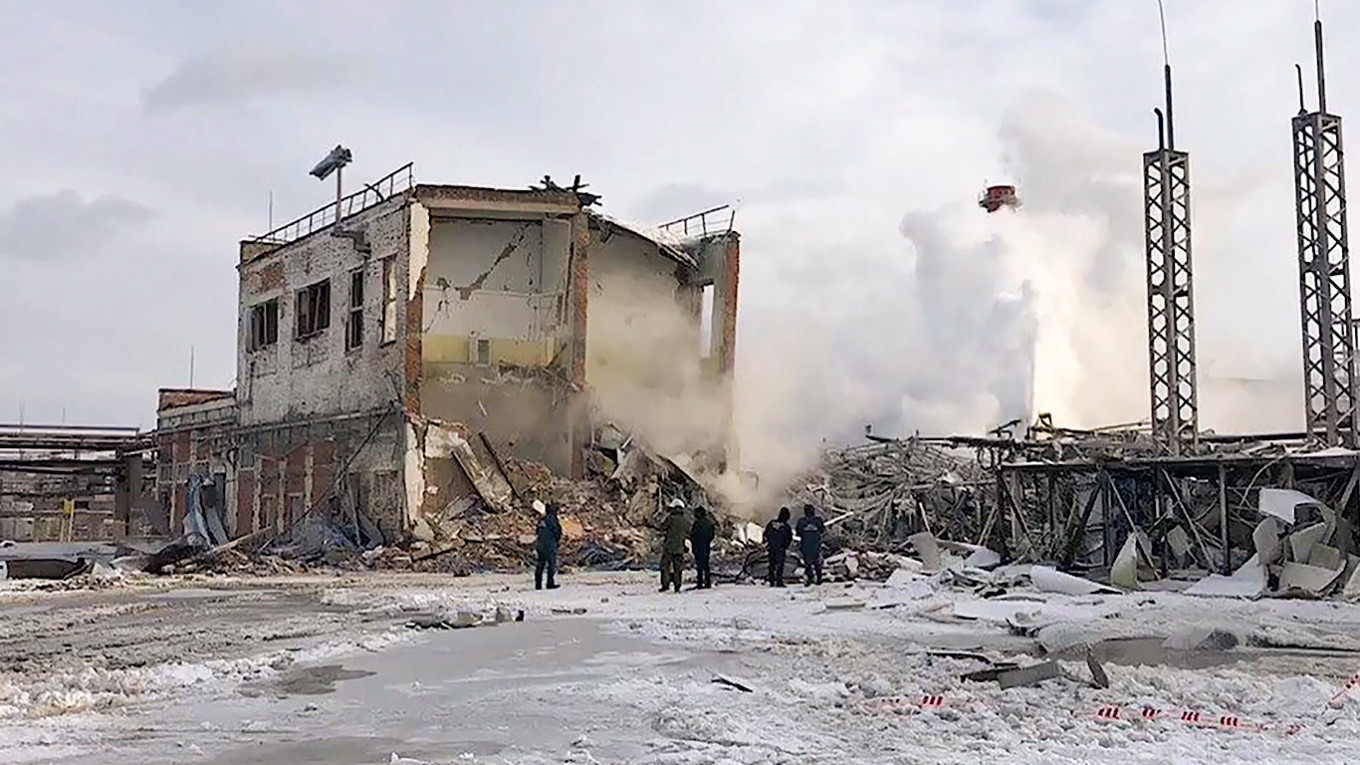
The Donald Trump administration intends to help the Ukrainian Armed Forces expand their attacks on Russian energy facilities, which in September alone shut down at least five oil refineries and engulfed regions from the Far East to Central Russia in gasoline shortages.
NBC News, citing three officials familiar with the matter, reports that the intelligence assistance the United States plans to provide to Kyiv will be targeted at energy infrastructure strikes.
The new measures are intended to help Kyiv better understand the deployment of air defense assets and map strike routes, thereby increasing the effectiveness of its existing drones and long-range missiles, people familiar with the discussions explained to the Financial Times. This will be the first expansion of intelligence assistance to Ukraine since President Trump returned to the White House.
FT sources also say that expanded cooperation will cover the use of any new long-range weapons the US may sell to NATO allies for delivery to Ukraine. Trump has instructed defense departments to prepare for intelligence sharing, according to the publication's sources. One source familiar with the ongoing White House discussions called this a "fundamental shift in the attitude" of Trump's inner circle toward developments in Ukraine.
The president himself has toughened his rhetoric toward Russia in the past month, calling it a "paper tiger" and declaring that Ukraine can win the war and liberate all occupied territories. He has also demanded measures to halt oil and gas exports from Russia—though he has not yet taken such measures himself.
The fuel shortage that gripped Russia following Ukrainian strikes on major oil refineries forced authorities to increase gasoline purchases from Belarus and even resort to importing gasoline from China and other Asian countries.
By the end of September, a record 38% of the country's refinery capacity, capable of processing 338,000 tons per day, was idle. Seventy percent of this downtime was the result of drone strikes, which have hit more than 20 major refineries since the beginning of August. Last month, four more refineries were forced to shut down, including the Kinef refinery in the Leningrad region, the second-largest by capacity in Russia, and Rosneft's Ryazan refinery, one of the top five.