Translated with AI


















Every year on the ninth day of the ninth month of the lunar calendar, China celebrates the traditional Chunyangjie (Double Ninth Festival). According to the Book of Changes, the number "nine" carries Yang energy, and the repetition of two Yang numbers in a day and month, equaling nine, gave the festival its name, "Chongyang," meaning "double Yang." Nine is the largest single-digit number and, in Chinese, sounds similar to the word for "longevity," symbolizing wishes for longevity and health for the elderly. Chunyangjie gained official status during the Tang Dynasty. Since then, people have celebrated this day with various autumn activities: strolls through parks with beautiful scenery, mountain hikes to explore the surroundings, admiring chrysanthemums, and more. But did you know that the Double Ninth Festival is not just a seasonal celebration but also an important embodiment of the Chinese culture of respect for the elderly?
In China, an old proverb is often quoted: "Of all moral principles, the most important is filial piety." In the system of ethical values of ancient Chinese society, filial piety (xiao in Chinese) was considered one of the fundamental and most important virtues.
Confucius identified four aspects of xiao: providing for one's parents financially; showing respect; the ability to admonish; observing funeral rituals and honoring the memory of deceased ancestors. In his view, the criteria for assessing filial piety do not depend on social status—before the virtue of xiao, everyone is equal.
According to Confucius, material support for parents and caring for their daily needs were only a basic, minimal requirement. Far more important in his teaching was the inner, deep emotional component—the natural affection that stems from blood ties. He believed that showing xiao is actually not difficult: even if a family barely has enough for basic food and water, if the parents live in peace and joy—that is xiao . Confucius insisted that piety must be based on genuine respect and love. Does xiao imply absolute obedience? How should a son or daughter act if their parents' words or actions are wrong? Confucius was perfectly clear on this matter: "If the father is right, follow him; if the father is wrong, admonish him." Thus, a person should not sacrifice moral principles and reason by blindly indulging the will of their parents. Only he who understands the reasonable measure in following tradition can be called truly “great in his reverence.”
Confucius also attached great importance to funeral and memorial rituals. He saw them not as mere formality, but as a way to awaken and express the deep inner connection and natural grief of children. For him, "filial piety" manifested itself not only in serving parents during their lifetime, but also in continuing their work after their death, fulfilling their cherished aspirations, and completing what they had left unfinished.
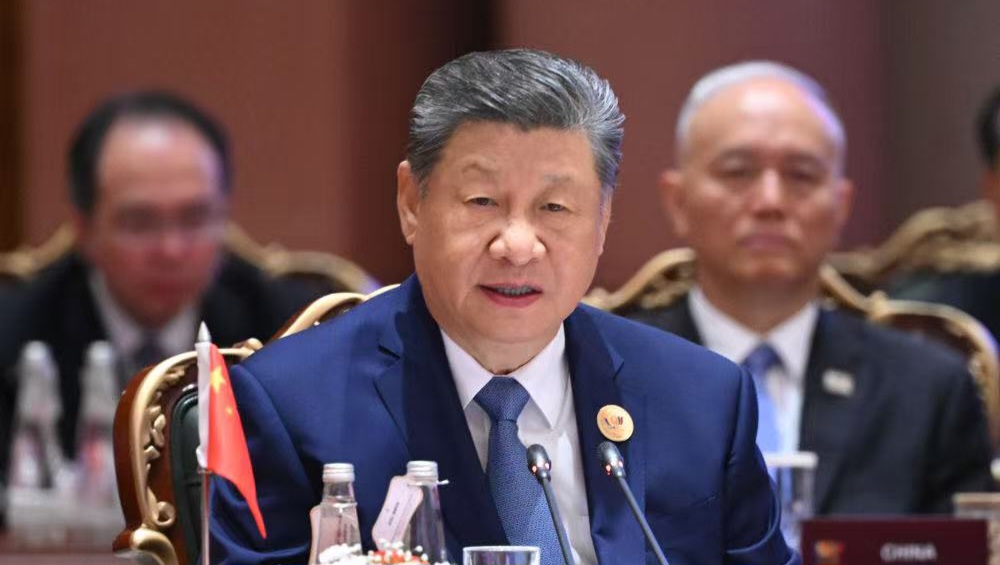
Caring for and respecting the elderly is an integral part of Chinese culture, passed down from generation to generation. According to Chinese President Xi Jinping, an important indicator of a happy society is the well-being of its elderly citizens. Over the past five years, life expectancy in China has reached 79 years, 1.07 years higher than in 2020 and 5 years higher than the global average. By the end of 2024, the population aged 60 and over reached 310 million, accounting for 22% of the total population; the population aged 65 and over was 220 million, or 15.6%. As hundreds of millions of people born during the baby boom of the 1960s and 1970s enter old age, the aging process in China will accelerate. This has become a serious problem that cannot be ignored. An aging population poses unprecedented challenges to Chinese society, but also offers new opportunities for economic transformation and modernization.
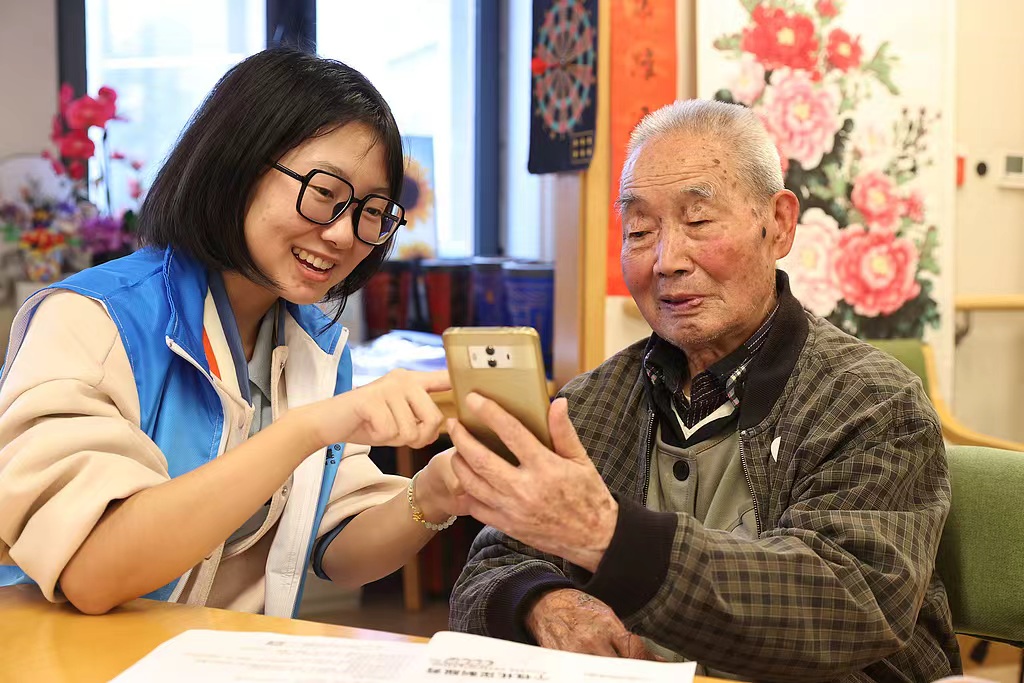
The "silver economy," which emerged as a new economic formation to adapt to an aging society, has become a key driver of high-quality economic development in China. It encompasses traditional elderly care and medical services, but also expands into areas such as financial services for the elderly, cultural entertainment, smart senior living, and other areas. The rise of this economic model not only reflects the increasingly diverse needs of the elderly population but also demonstrates the vitality and potential of China's socioeconomic development.
The development of a " silver economy" is fundamentally aimed at improving the well-being of older people. Modernizing services for the elderly and improving the support system should ultimately be aimed at "enabling older people to live a dignified and happy life."
The "Proposals of the CPC Central Committee for the 15th Five-Year Plan for National Economic and Social Development," recently adopted at the Fourth Plenary Session of the 20th Central Committee of the Communist Party of China, emphasize the development of the "silver economy." In recent years, the market for senior services in China has continued to expand, demonstrating accelerating growth. Thanks to the deep integration of medicine and care, the technological development of smart services for the elderly, and the growing popularity of health tourism, new business formats are constantly emerging in the "silver economy." The senior services industry is expected to become the next trillion-yuan industry.
The development of a "silver economy" offers significant potential for the future. On the one hand, the continued growth of the elderly population is creating an increasingly large group of consumers with sustainable demand. At the same time, rising incomes and improved social security systems will further enhance their purchasing power, opening up enormous market opportunities for the development of a "silver economy." On the other hand, government support for this area is a firmly established strategic policy. The "silver economy" serves not only as a basic mechanism for satisfying the consumer demand of the elderly but also as a key driver of economic transformation and modernization. Thus, it has the potential to become a new growth driver for the national economy and, in the long term, a new strategic sector that ensures the country's sustainable economic development.
Through the joint efforts of government, business, and society, the "silver economy" will inevitably open up new horizons, becoming a new driving force for the sustainable development of the Chinese economy and society.
(CGTN Correspondent Li Zheya)