Translated with AI

































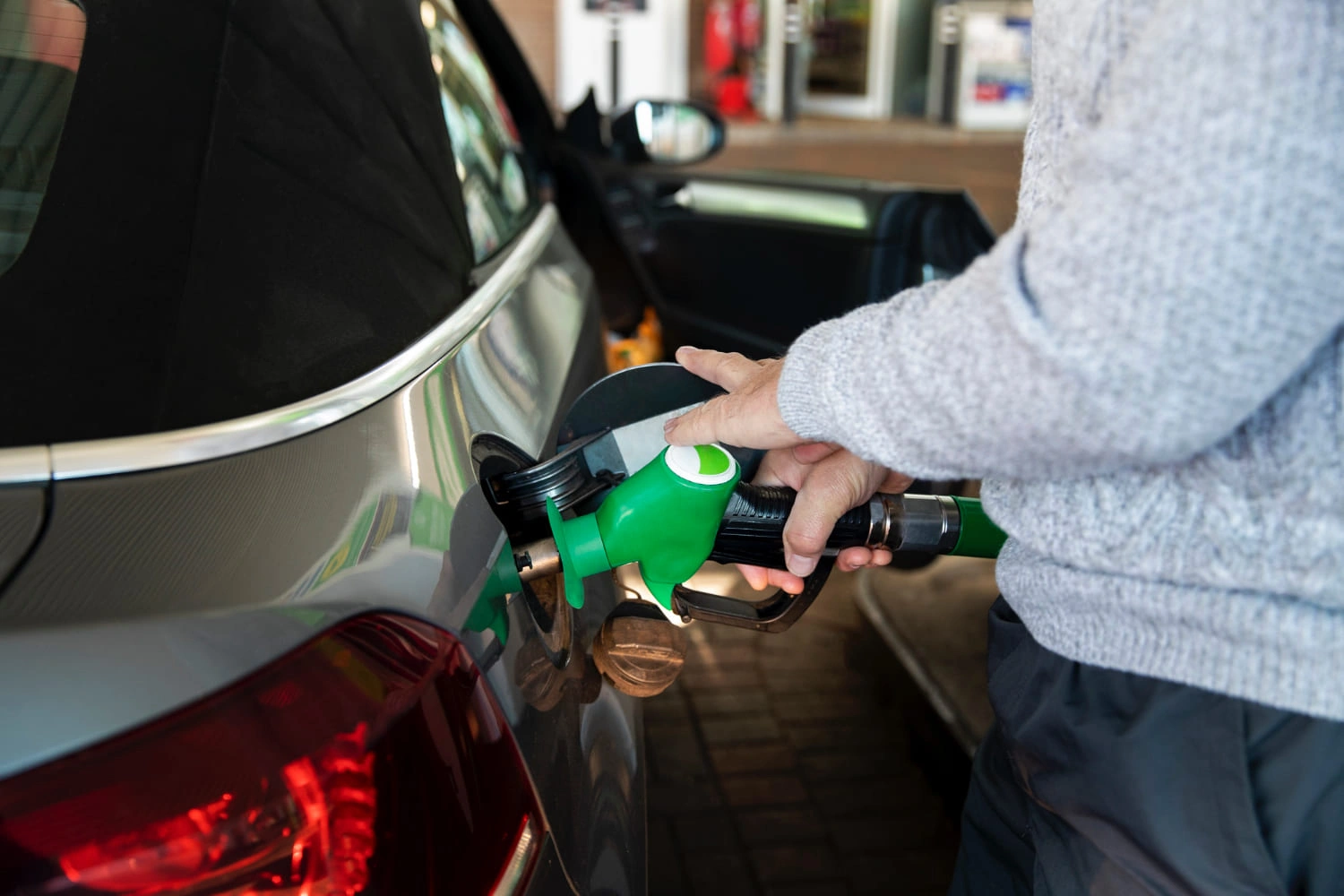
The Russian government has decided to impose a complete ban on gasoline exports until August 31, 2025. The corresponding decree was published on the official legal information portal on Monday, July 28. The restriction is being introduced to stabilize the domestic fuel market during the period of high seasonal demand and agricultural work.
The Cabinet press service noted that this step is aimed at ensuring a stable supply of gasoline to the domestic market in the context of increased consumption in the summer. The ban applies to traders, oil depots and small oil refineries, as well as large producers of petroleum products.
Previously, at the end of February 2025, a ban on gasoline exports for non-fuel producers was introduced, which was extended until the end of August. The new regulation significantly expands the restriction, completely suspending gasoline exports from Russia.
The reasons for the ban are related to the rise in wholesale prices for gasoline. According to the RBC publication, at the end of June, the cost of AI-95 gasoline rose to 76,330 rubles per ton, which exceeded the maximum values of the current year and approached the historical record of 2023 (76,876 rubles per ton). The sharp rise in prices caused concern for the Federal Antimonopoly Service (FAS), which came up with an initiative to tighten export restrictions.
The Russian Ministry of Energy notes that the price increase is due to seasonal activity and increased demand, including in the agricultural sector. At the same time, the department emphasizes that the situation on the fuel market remains stable, and gasoline reserves are at a level close to historical maximums.
Russian authorities have repeatedly imposed restrictions on gasoline exports in recent years in response to rising fuel costs and market disruptions. In September–November 2023, exports were banned due to a gasoline shortage in the southern regions caused by damage to oil refineries due to Ukrainian drone attacks. The restrictions were later in effect from March to August 2024, after which they were temporarily suspended in May–July, but then extended again.
Experts believe that the current complete ban will help avoid a gasoline shortage on the domestic market during the peak season and stabilize prices for end consumers.