Translated with AI

























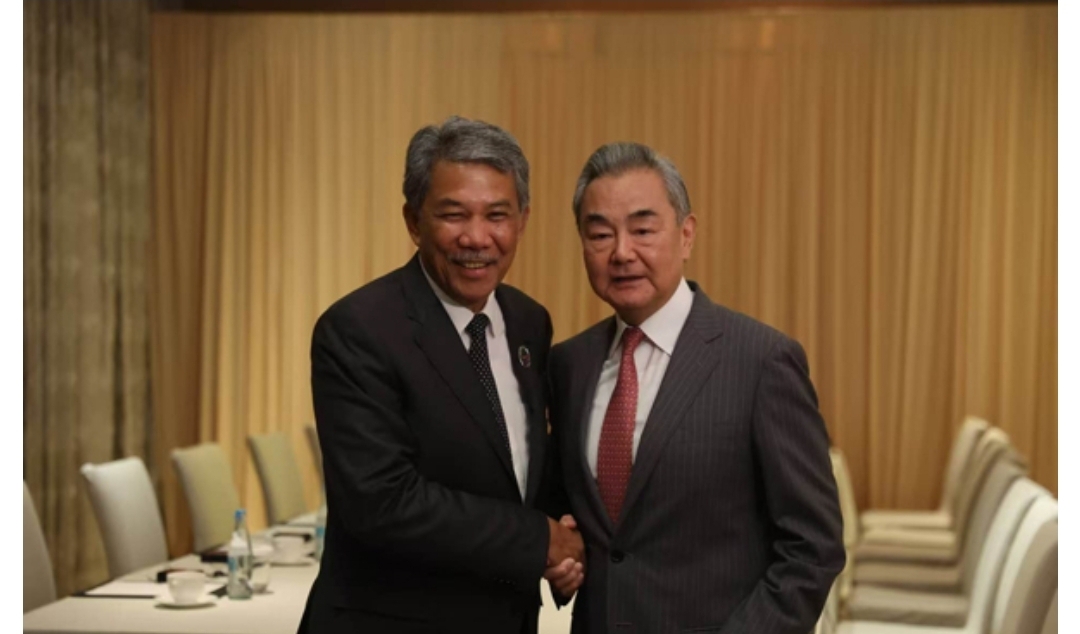






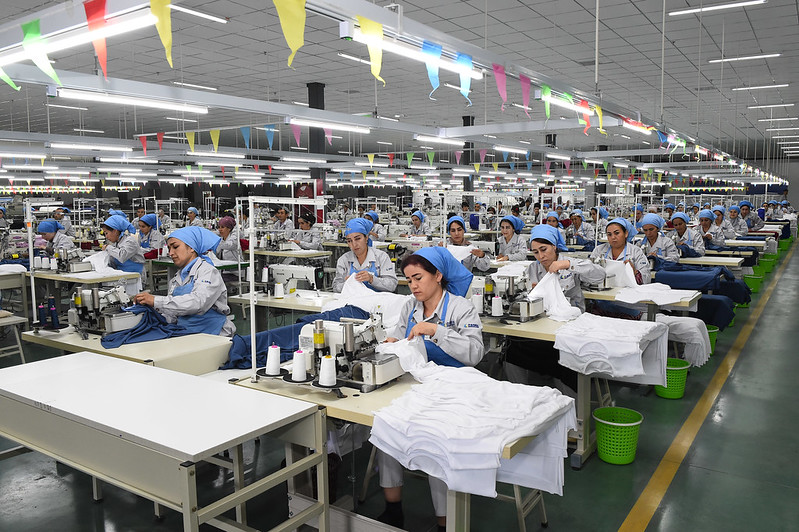
Tajikistan plans to significantly increase the volume of cotton processing into finished products and reach a profit of up to $3 billion per year. This became known during the first International Textile Forum held in Dushanbe, in which representatives of 50 countries took part, the press service of the CIS Executive Committee reports.
Speaking at the opening of the forum, Prime Minister of Tajikistan Kokhir Rasulzoda emphasized the strategic importance of developing the textile industry. According to him, the republic intends to move from exporting raw materials to producing high-quality and competitive products.
"Our goal is to modernize production facilities and create a closed cycle of cotton processing within the country. This is a difficult task, but with the support of investors and international partners it will be realized," the prime minister said.
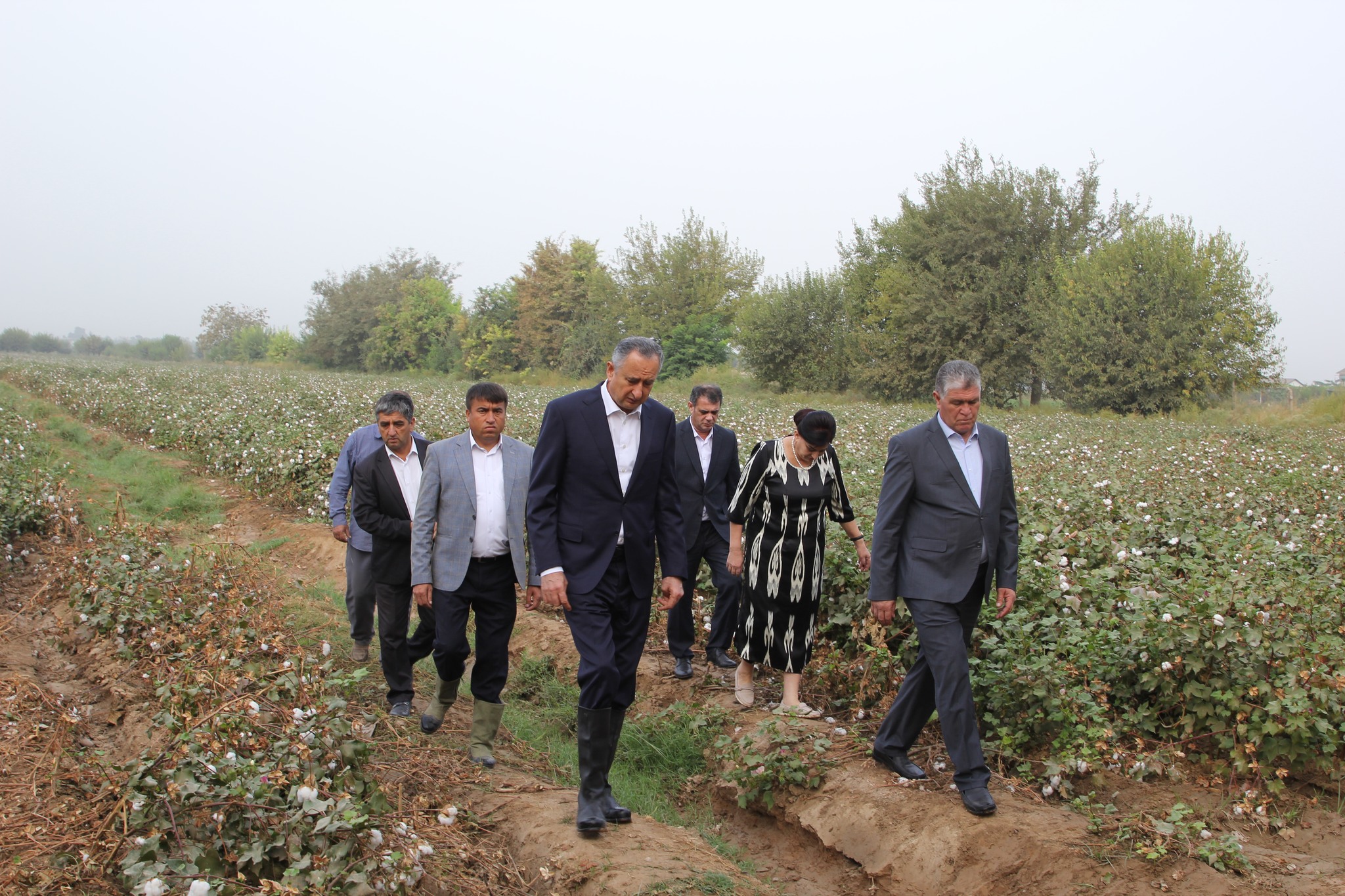
In 2024, according to the Ministry of Agriculture, cotton fiber production amounted to 253.3 thousand tons – 91 thousand tons less than in 2023. The authorities intend to increase the volume to 450 thousand tons by expanding the cultivated area, which currently amounts to about 175 thousand hectares.
The government also notes that only 30% of yarn is processed into finished products. To increase this share to 100%, investments of at least $800 million are needed. It is planned to attract funds by providing tax and customs benefits, creating industrial zones and implementing business support programs.
From June 1, 2025, the government decided to halve the cost of electricity for textile companies – from 4 to 2 cents per kilowatt. This is expected to increase the profitability of textile production.
According to the Minister of Industry and New Technologies Sherali Kabir, a project to create ten cotton-textile clusters is being implemented in the country. The complexes will appear in the Sughd and Khatlon regions, as well as in Dushanbe. The clusters provide for a full production chain – from planting cotton to the production of fabric and clothing.
“The work is also carried out within the framework of international standards – Better Cotton, Organic Cotton and GOTS, which will allow Tajik products to take a stronger position in foreign markets,” Kabir noted.
Head of the Light Industry Department Akmal Sharifzoda added that the modernization of existing capacities can already ensure the processing of up to 50% of all yarn produced in the country.
By the end of 2024, textile exports amounted to $150 million, or only 2.5% of the total volume of foreign trade. However, the government expects that by 2040, full processing of cotton within the country will allow the sector to reach a qualitatively new level and generate annual profits of $3 billion.