Translated with AI























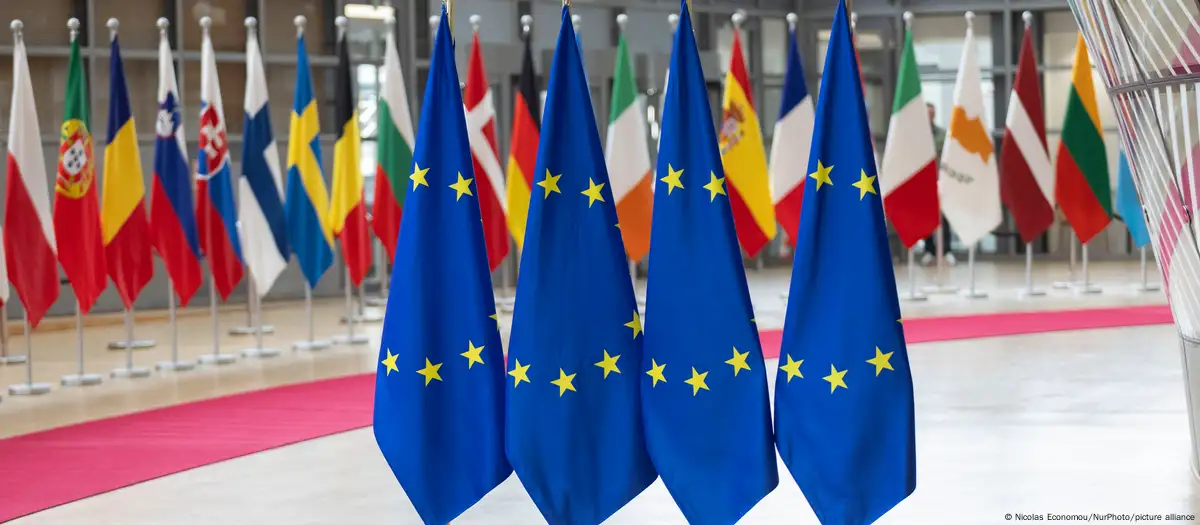
The European Union has formally approved the 18th package of sanctions against the Russian Federation in response to the ongoing military operation in Ukraine, EU Foreign Minister Kaja Kallas announced after weeks of tense negotiations caused by Slovakia's objections.
Bratislava had previously blocked the adoption of a new package of restrictions, demanding guarantees on issues related to the refusal to import Russian gas. As a result of the compromise, Slovakia agreed to lift the veto, and the European Union was able to approve some of the toughest measures in the history of sanctions pressure.
"The EU has just approved one of the toughest sanctions packages against Russia. We will continue to limit the Kremlin's income until the aggression is stopped," said Kaja Kallas.
The essence of the 18th package of sanctions
The sanctions package includes the following key provisions:
-
Energy:
The EU officially bans the operation of all four lines of the Nord Stream 1 and Nord Stream 2 gas pipelines, regardless of their physical condition. Thus, even the surviving line of Nord Stream 2, previously proposed by the Kremlin for restart, will remain out of operation. -
Sea transportation of oil:
New restrictions have been introduced on the so-called "shadow fleet" of Russian tankers. 105 vessels linked to the circumvention of the price cap and the supply of Russian oil to third countries have been added to the sanctions list. -
Financial sector:
More than 20 Russian banks will be disconnected from the SWIFT system, while a complete ban on any financial transactions with these institutions, including transactions in third countries, will be introduced. -
Secondary sanctions:
The EU is imposing sanctions for the first time on companies from China, Belarus and India suspected of helping to circumvent restrictions. The Indian refinery Vadinar , in which Russia's Rosneft has a stake, was also hit by sanctions. -
Oil price ceiling:
A floating price ceiling has been set for Russian oil, 15% below the market value of Urals . The price is currently capped at around $47 per barrel .
Gas tensions with Slovakia
Slovakia, led by Prime Minister Robert Fico, initially blocked the sanctions package, mainly due to dissatisfaction with the EU's decision to phase out Russian gas by 2028.
The EU offered a compromise: Slovakia and Hungary would retain access to short-term gas contracts with Russia until the end of 2027. However, Bratislava demanded additional guarantees and the ability to retain a veto over future decisions in the gas sector. Ultimately, Slovakia agreed to unblock the sanctions, having received, according to Fico, “sufficient concessions,” the details of which have not yet been disclosed.
The European Commission's reaction
European Commission President Ursula von der Leyen stressed that the EU's goal is to achieve a 30-day ceasefire in Ukraine and bring Russia back to the negotiating table.
"We are increasing the pressure. Until Russia shows readiness for serious dialogue, the sanctions will only increase," von der Leyen said.
Prospects
European diplomats acknowledge that the scope for further sanctions pressure is limited. Among the powerful remaining instruments are a complete refusal of Russian gas and the confiscation of frozen Russian assets worth more than 210 billion euros .
Decisions on these issues require further consultations and could provoke new resistance within the EU, particularly from Hungary and Slovakia.