Translated with AI
































May 22, 2025 marks the 25th International Day for Biodiversity. The idea behind the establishment of the day is to promote harmonious coexistence between humans and nature, create a path for sustainable development, and promote global governance in this area. The theme for the year is "Harmony with Nature and Sustainable Development". China attaches strategic importance to building an ecological culture, striving for modernization based on the harmonious interaction of humans and nature.
The gradual improvement of the legal system has made biodiversity conservation a state strategy
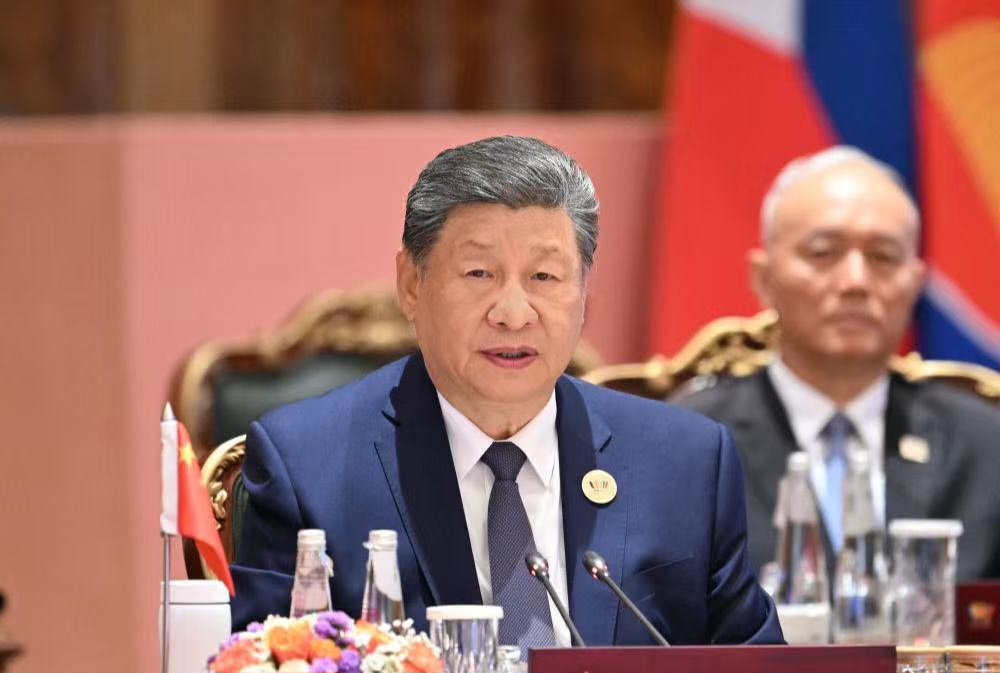
Chinese President Xi Jinping said at the summit of the UN Conference of the Parties on Biodiversity (COP15): “All living things seek harmony to survive, and feed to grow.” Biological diversity fills the planet with vitality and serves as the basis for the survival and development of humanity. Preserving biodiversity will help protect the Earth, our common home, and ensure the sustainable development of all humanity.”
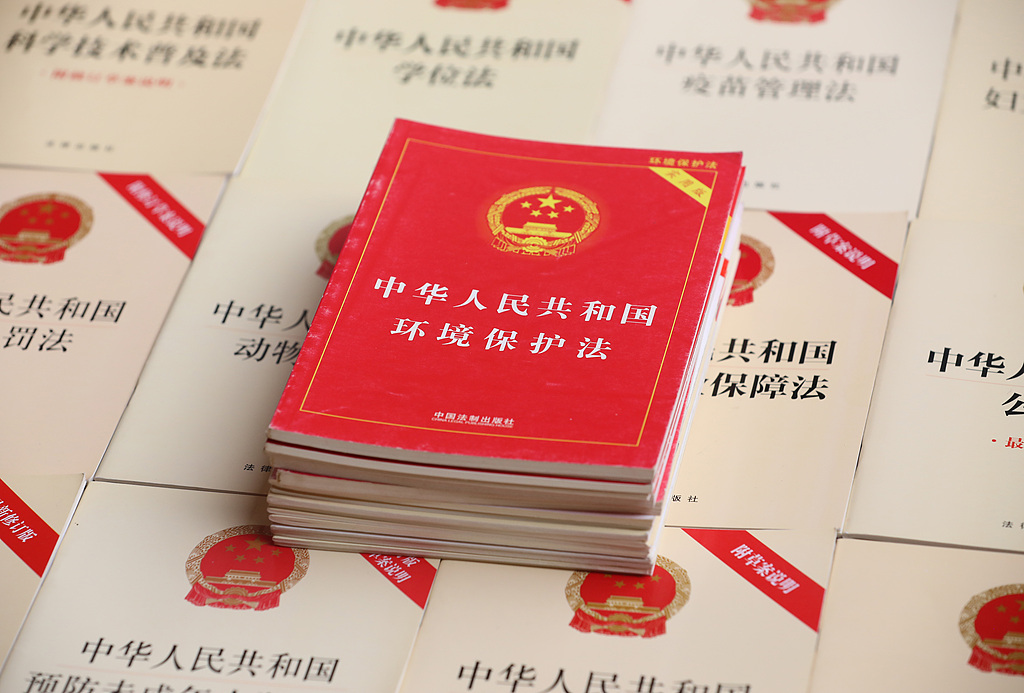
The PRC, as one of the countries that signed the "Convention on Biological Diversity" earlier than all others, always pays close attention to its protection. In recent years, more than 20 laws and regulations have been adopted and revised, dedicated to the protection of forests, steppes, wild animals, the Yangtze River, etc.
In 2021, the State Council Information Office of China released the White Paper on Biodiversity Conservation, defining biodiversity conservation as a national strategy. In January 2024, the Ministry of Ecology and Environment of China and relevant departments released the “China Biodiversity Conservation Strategy and Action Plan (2023-2030)”. This document outlines 27 priority actions under 4 key areas, and provides recommendations to various departments and regions on promoting biodiversity conservation. China is the only country in the world that publishes updated versions of the Catalog of Biological Species every year. Since 2008, the Chinese Academy of Sciences has been working on the document, which is available for free download to global Internet users.
From National Parks to “Mini-Parks”: Harmony Between Man and Nature
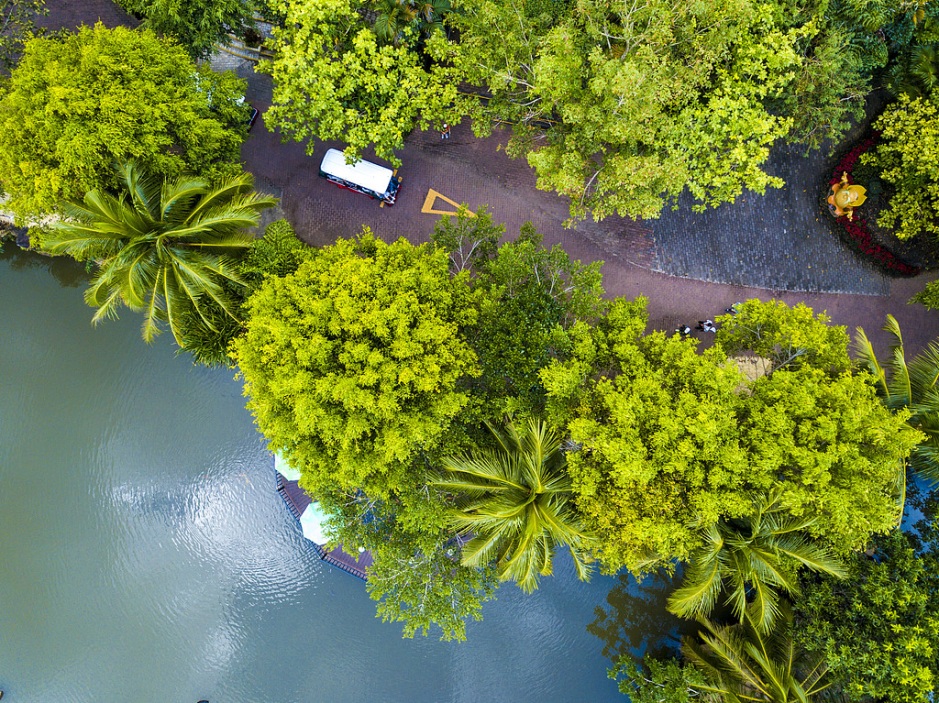
In October 2021, Chinese President Xi Jinping, speaking at the COP15 leaders' summit, announced the opening of China's first 5 national parks: Sanjiangyuan National Park, Giant Panda Park, Tiger and Leopard Park, Hainan Tropical Rainforest Park, and Wuyi Mountain Park — territories with a total area of 230,000 square kilometers, where 30% of the world's terrestrial wild flora and fauna species under special state protection are concentrated. Take, for example, the Hainan Tropical Rainforest National Park, which occupies 4,269 square kilometers or 1/8 of the island's total area. In terms of biodiversity, it is comparable to the Amazon rainforest. Over the 3 years since its establishment, the park has been constantly "updated". As of the end of 2024, 75 new species of animals, plants, and fungi have been discovered here. Some endangered wild animals, such as the ring-tailed monitor and the Chinese pangolin, have begun to return to their natural habitats. The Hainan gibbon is an indicator of the integrity and authenticity of the tropical forest ecosystem on the island. Its population has increased from 4 groups of 30 individuals in early 2019 to 7 groups of 42 individuals today. Considering that the gibbon produces its young only once every 2-3 years, this growth rate is considered impressive.
Thanks to effective management of the protected area, local wild animals and plants have received effective protection. At the same time, the park is moving forward with the resettlement program of residents from the key conservation area. According to statistics, by the end of 2024, 455 families consisting of 1,931 people have been resettled from the key area of the Hainan National Park, which is 99% of the overall plan. The new settlements have a fairly well-developed infrastructure: two-story houses, paved roads, schools and hospitals. The authorities of the adjacent counties, together with the villagers, are developing ecological agriculture, taking into account the natural features of different areas.
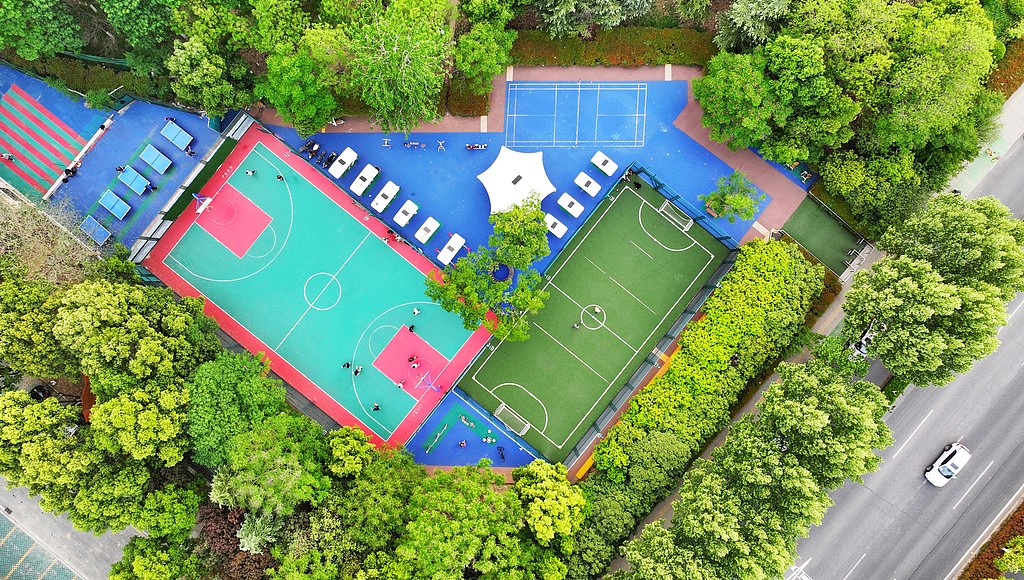
Spacious national parks are seen as the country's priceless treasure, while "mini-parks" provide ordinary city dwellers with places to relax and enjoy themselves.
The area of the "mini-parks" is from 400 to 10 thousand square meters. Most of them are created on the basis of abandoned wastelands, areas cleared of illegal buildings, space under overpasses, etc. The construction of each of the mini-parks means the elimination of an inconspicuous city corner, most often associated with dirt and disorder. Currently, Beijing, a city of thousands of parks, already has about 700 unique "mini-parks". They create precious islands of beauty in the capital area, making "green landscapes outside the window and parks at the doorstep" a reality for city residents.
As one of the visitors to the mini-park noted: "At any time of the day I can take a walk in the park near my house. There are thick trees everywhere, you can hear birds singing and insects chirping. This not only improves the quality of life in the city, helps preserve urban biodiversity, but also helps conduct interesting lessons about nature with children."
Let children grow up in harmony with rich nature
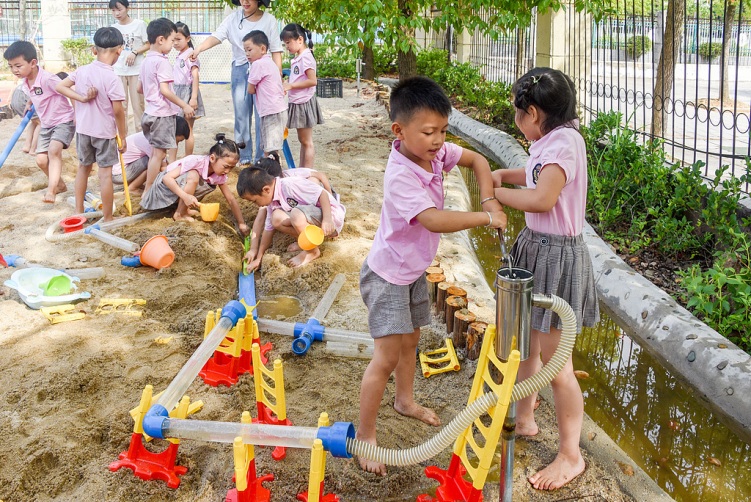
Strengthening biodiversity education was a major theme at both stages of COP15. Then, educational institutions aimed at teaching children outdoors or surrounded by nature sprang up like mushrooms all over the world. Green schools in Bali, forest kindergartens in Germany, forest schools in Japan, etc.
Science education is the Chinese version of enhancing knowledge of biodiversity. It combines traditional Eastern culture, which worships the forces of nature, with Western science in the field of natural science. More than 2,000 years ago, Confucius suggested learning the names of birds, animals, and plants. In the past 10 years, science education has flourished under the leadership of the government, becoming a separate industry.
"Magic of Mud", "Bird Hunting Expedition", "The World of Insects", "Visiting Dinosaurs", "The Mathematical and Physical Code of Leaves and Flowers"… these are the names of thematic seminars that are regularly held by one of Beijing's organizations specializing in nature education. Mentors help the capital's children take a closer look at life in nature, delve deeper into its features, and look at the outside world and inside themselves through the prism of natural science.
In November 2023, the "National Medium-Term and Long-Term Development Plan for Environmental Education (2023-2035)" was reviewed by experts. This is the first action guide for this industry in China. According to it, there are nearly 20,000 environmental education institutions in the country with about 300,000 employees. More than 1 million events are organized annually for more than 100 million people. Such successes were hard to imagine 10 years ago.
Hao Bing, head of Tianxiaxi Forest Kindergarten, is at the forefront of nature education in China. She began working in the field in the early 1990s, and has served as executive director of the environmental organization Friends of Nature and deputy secretary general of the Alashan SEE association.
As a child, Hao Bing dreamed of becoming a teacher. In the 1980s, she entered the geography department of Beijing Normal University, and after her postgraduate studies, she stayed on at the Environmental Education Center at her university. It was created by the World Wildlife Fund (WWF) jointly with the Ministry of Education of the People's Republic of China. Its work is aimed at training domestic teachers in the field of environmental education. During her work, she became acquainted with the first unofficial environmental organization in China, Friends of Nature, founded by Liang Congjie, the son of Liang Sicheng and Lin Huiyin. Hao Bing decided to open up new ways to protect the environment and founded her own nature education kindergarten, wrote and translated a number of specialized works, such as Sharing Nature with Children, The Last Child in the Forests, etc.
Hao Bing's kindergarten has a traditional program for children to learn to climb trees. In the forests near the kindergarten, children aged 3 to 6 watch older children skillfully climb trees and then imitate them. Hao Bing believes that humans and nature are one and that it is important to balance their relationship. We cannot keep a distance from nature in order to protect it. Children begin to understand how their actions can harm nature only when they have the opportunity to touch and get to know trees up close. Without such connections with the environment, real education is impossible.
Nature education is all about allowing children to play outdoors instead of being controlled by screens or overloaded with homework. As adults, these children will have a better understanding of the importance of preserving nature, and the uniqueness and value of each plant or animal species, thanks to the connection they have established with nature. We can raise more responsible citizens while creating a sustainable future for all forms of life.
China attaches great importance to the protection of biodiversity, striving to balance nature conservation and green development. As a direct participant in global governance in this area, the country has found and continues to pursue a unique path of protecting biodiversity with Chinese characteristics, and thus makes an active contribution to the construction of a community with a shared future for life on Earth.