Translated with AI



























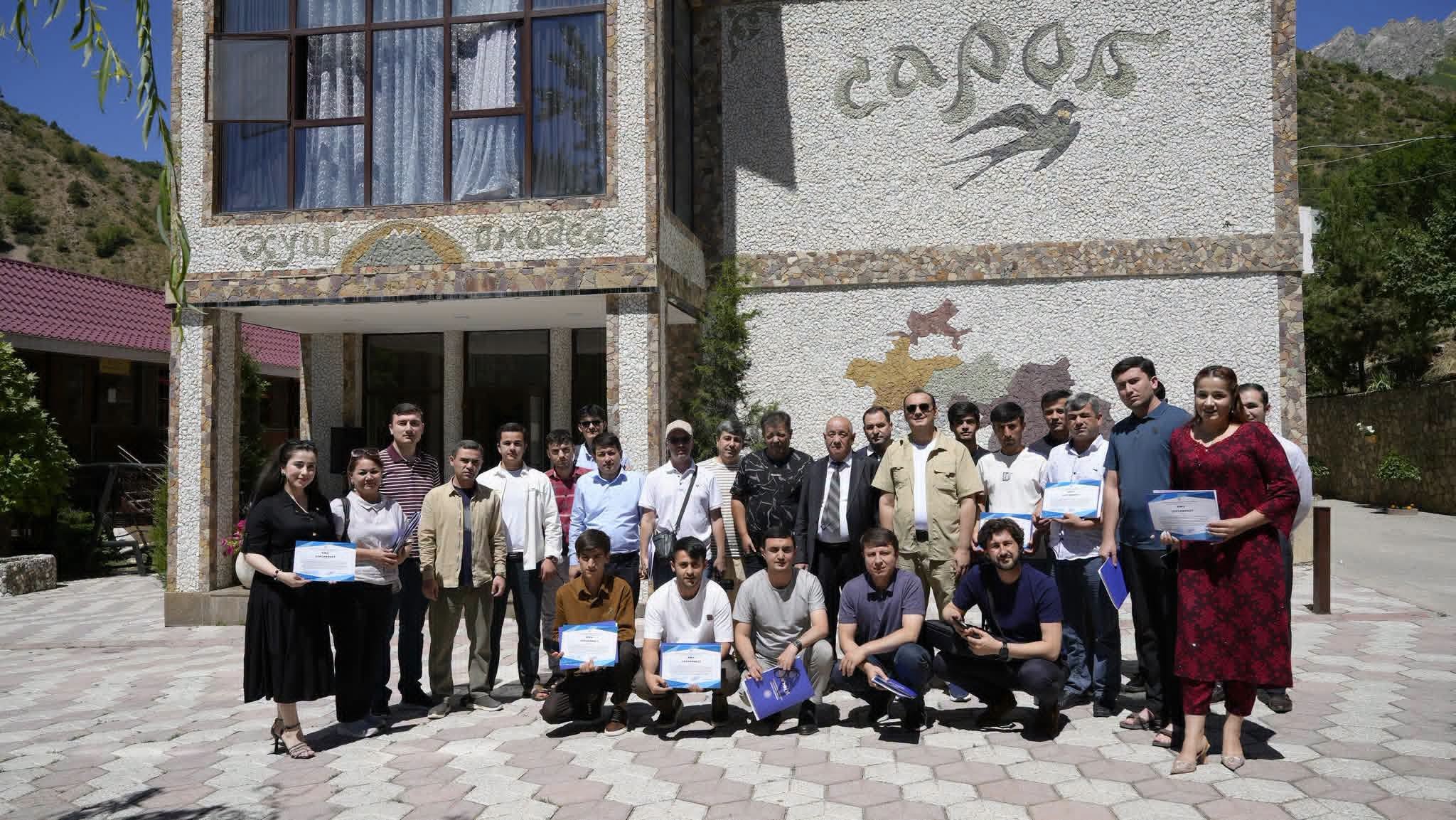
Representatives of Tajikistan's leading media outlets, telecommunications companies, and industry bodies discussed the development of digital infrastructure, the implementation of 5G technologies, cybersecurity, and the role of journalism in covering the country's digital transformation.
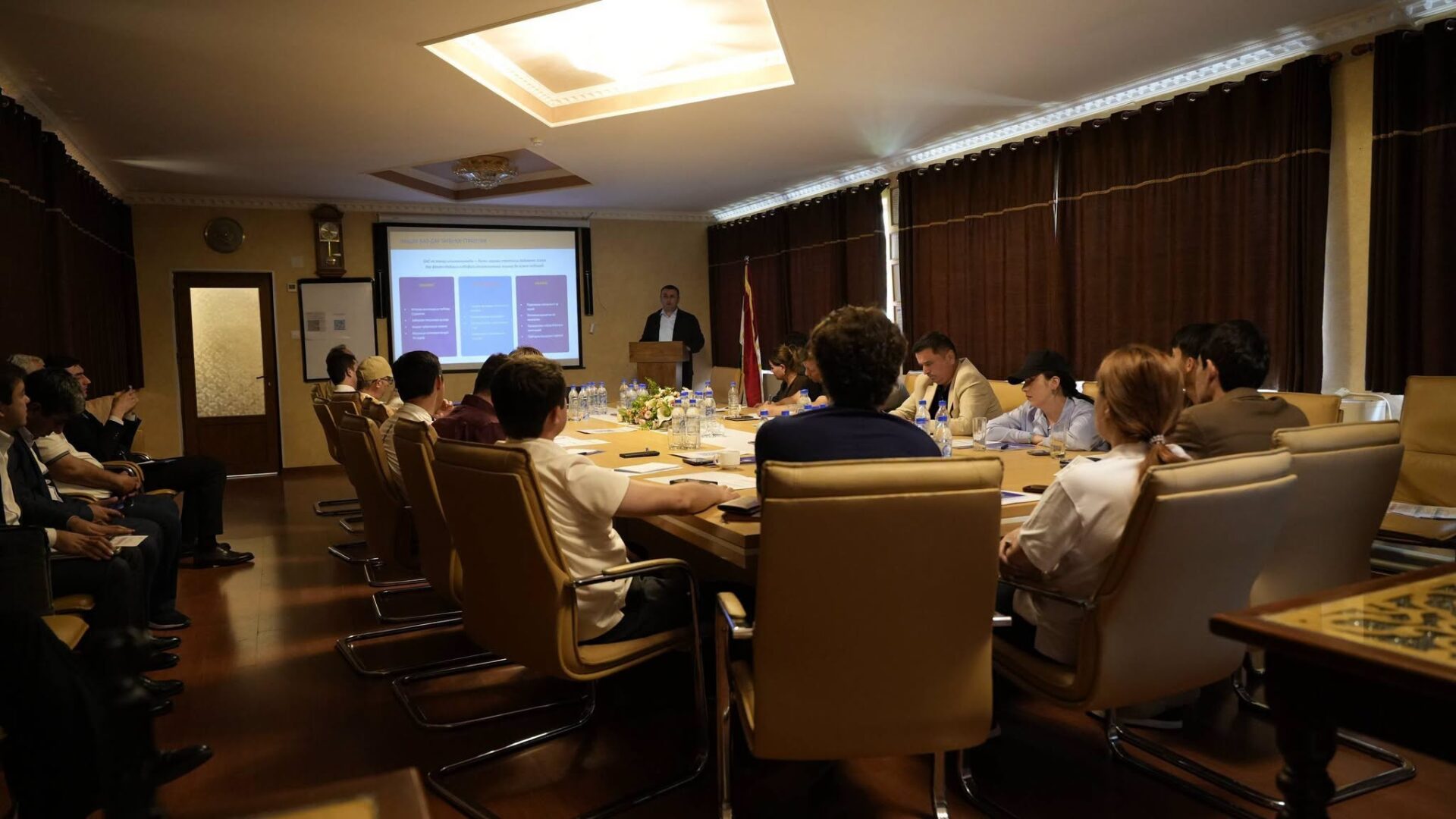
A training seminar, "The Role of the Media in Covering and Explaining the Strategic Goals of the Communications Industry," was held on July 4–5 at the Sarob Sanatorium at the initiative of the Communications Service under the Government of the Republic of Tajikistan. The event was organized by the state-owned institution "Svyaz Magazine."

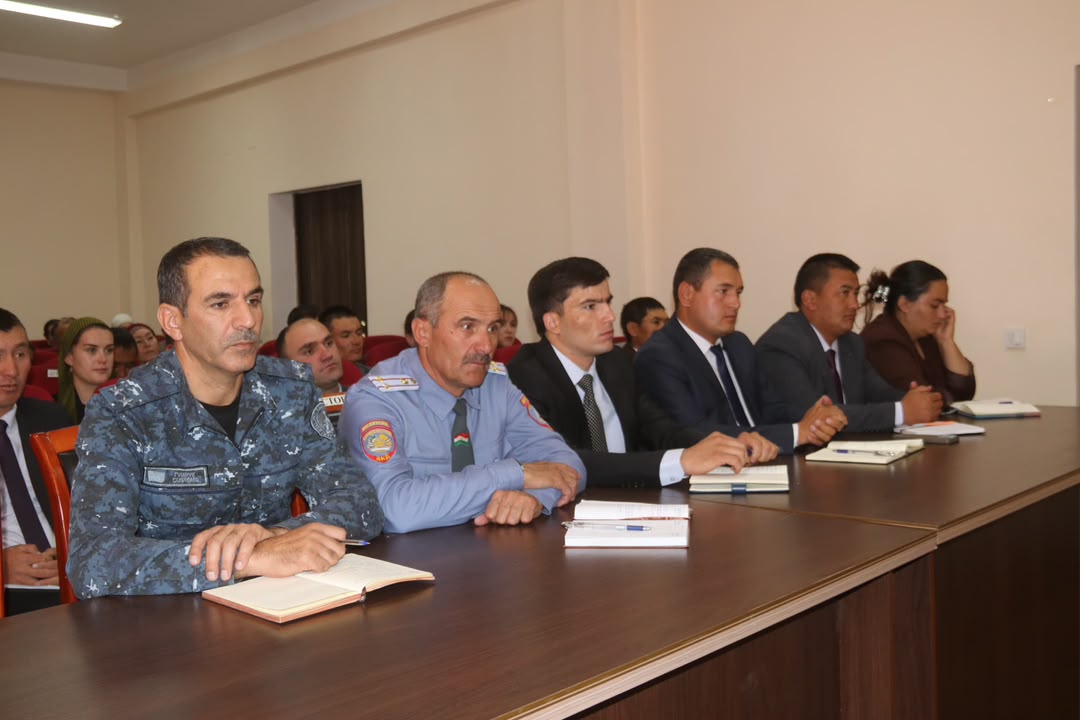
The two-day seminar was attended by journalists from national publications and news agencies, representatives of television and radio, as well as employees of the press services of mobile operators, internet providers, and subordinate structures of the Communications Service.
The experts included the management and specialists of the Communications Service, representatives of Tajiktelecom OJSC, the Center for Digital Development and Satellite Communications, the State Unitary Enterprise Tajikistan Post, the Center for Electromagnetic Compatibility and Radio Monitoring, and other industry organizations.
Communication as the foundation of the digital economy
The main topic of the seminar was the Strategy for the Development of the Communications Industry of the Republic of Tajikistan through 2040. Participants were presented with its key goals, priority areas, and expected changes in the country's telecommunications and digital infrastructure.
At the opening of the event, special attention was paid to the role of communications in shaping the digital economy. Participants noted that the development of telecommunications infrastructure today is directly linked to the availability of government and commercial digital services, business development, and improved quality of life.


The role of the media was discussed separately. According to seminar participants, journalists should not only inform the public about new projects and technologies but also clearly explain digitalization processes, information security issues, and the changes that the development of digital services brings to citizens' daily lives.
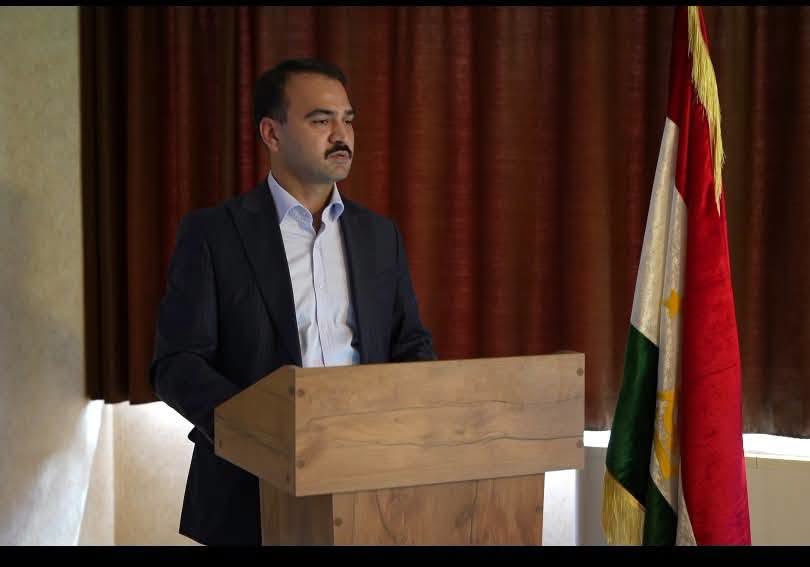
First Deputy Head of the Communications Service Parviz Norion presented in detail the main provisions of the industry development strategy until 2040.
He discussed the background to the document's development, national priorities in telecommunications, and the role of modern communications infrastructure in Tajikistan's economic development. Particular attention was paid to issues of digital sovereignty and strengthening national security.
Fiber optics, fast internet and narrowing the digital divide
The first thematic module of the seminar was devoted to the development of fixed-line communications and fiber-optic infrastructure.
Experts and journalists discussed the expansion of FTTH networks—a technology that connects subscribers to high-speed internet directly via fiber optic lines. Issues of increasing broadband accessibility and improving the quality of telecommunications services were also discussed.
One of the central topics was reducing the digital divide between cities and regions of Tajikistan.
Experts emphasized that access to stable and fast internet is becoming a key prerequisite for regional economic development. Modern digital infrastructure is essential for education, entrepreneurship, e-commerce, government services, and the development of new forms of employment.
According to industry experts, the further expansion of telecommunications networks should facilitate greater access to modern digital services for the population, including residents of rural and remote areas.
5G, digital corridors and satellite communications
A separate section of discussions was devoted to the development of mobile networks and the implementation of fifth-generation communication technologies – 5G.
Participants were informed about the prospects for expanding 4G and 5G networks in Tajikistan, the efficient use of radio frequency spectrum, and improving the quality of mobile communications.
Experts also discussed the creation of digital corridors and the development of Tajikistan's transit potential.
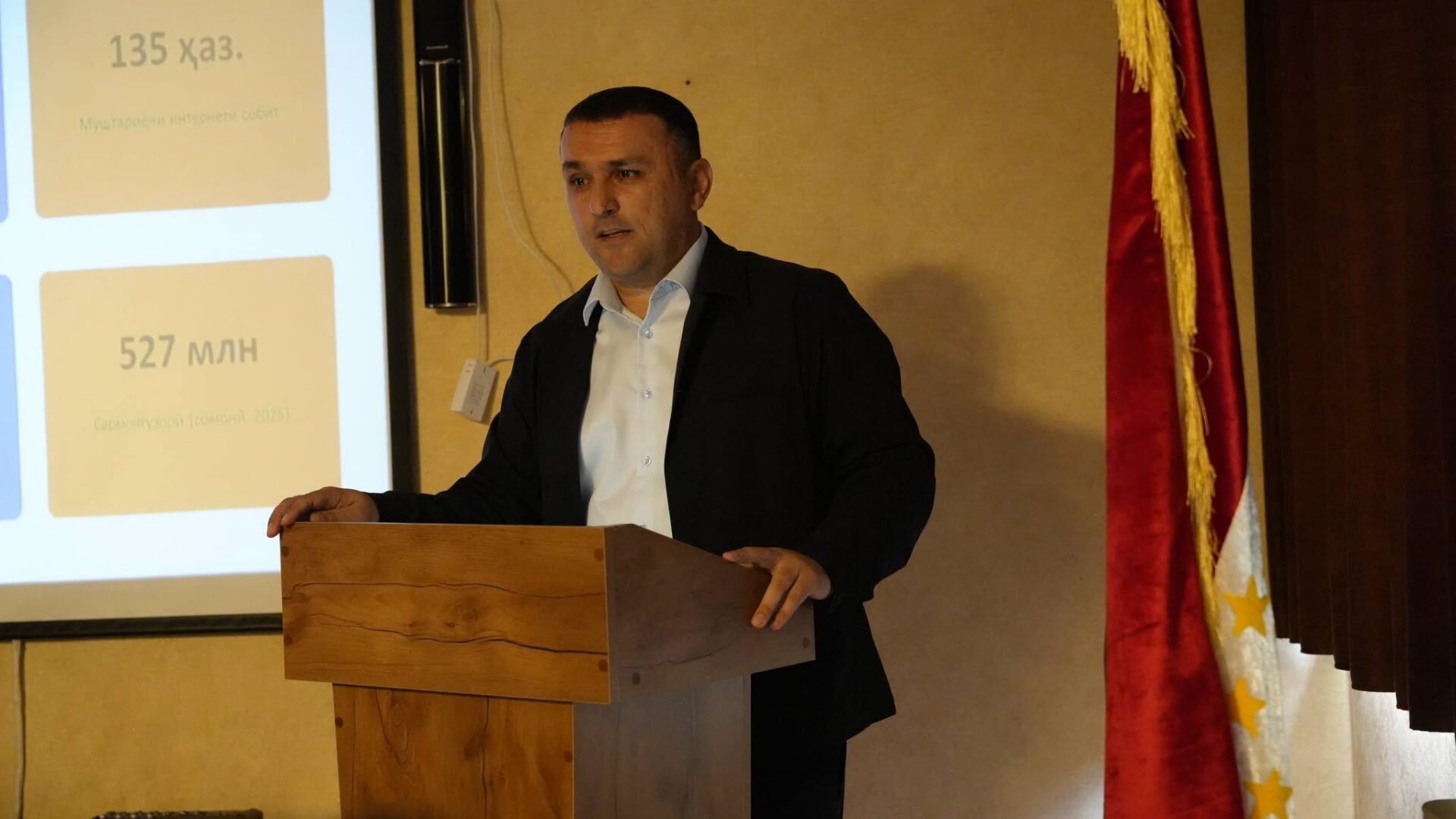

Given the country's geographic location, the development of modern telecommunications infrastructure is seen as one way to strengthen regional digital connections and expand the capacity to transmit international internet traffic.
Another topic was the use of satellite technology. Participants were presented with information on the potential of satellite communications for providing digital services to hard-to-reach and remote areas.
Particular attention was paid to expanding rural population access to digital services and implementing regional telecommunications projects.
Cybersecurity and digital infrastructure protection
The second day of the seminar was devoted to the digital transformation of the postal industry, the development of modern logistics services, and information security issues.
Experts examined the prospects for implementing digital technologies in postal services and developing new logistics services.
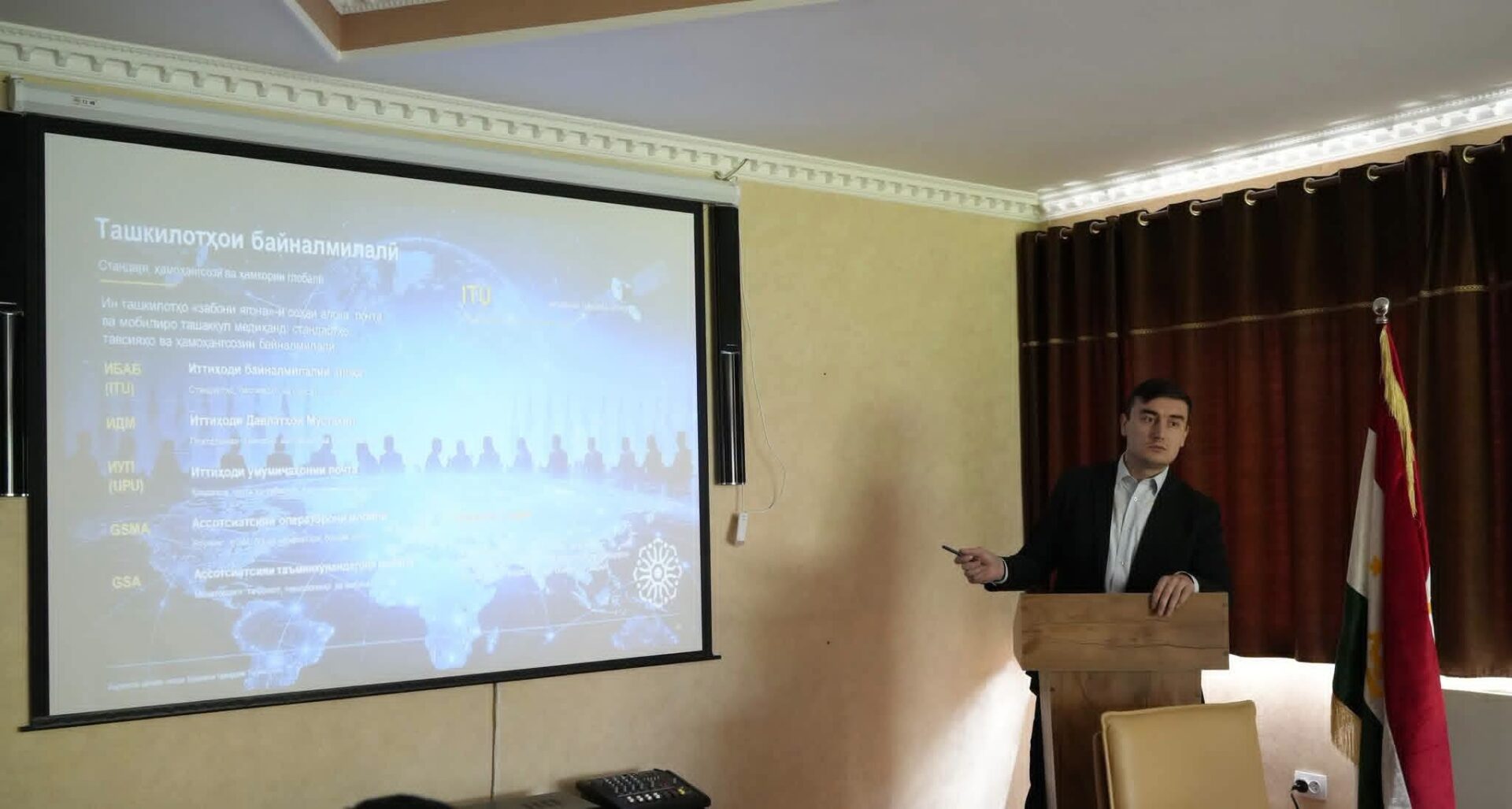

A significant portion of the discussion was devoted to cybersecurity, data protection and the resilience of digital infrastructure.
The speakers emphasized that as digital services expand and the volume of electronic data increases, information security issues are becoming strategically important.
Protecting the digital space, ensuring the stability of telecommunications systems, and ensuring data security were identified as important components of developing the digital economy and strengthening Tajikistan's digital sovereignty.
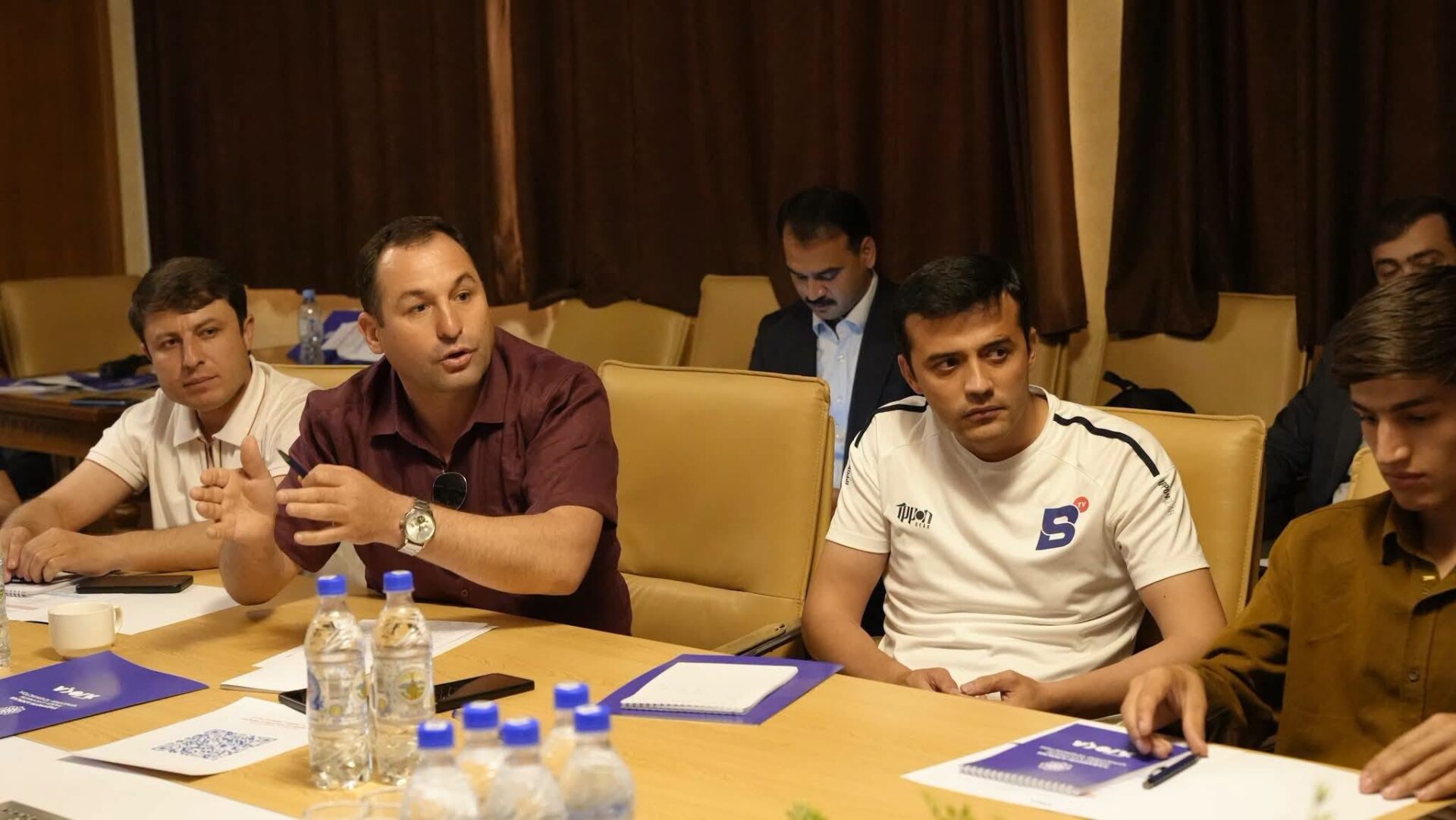
Journalists asked questions to experts
The seminar was held in an open dialogue format. Media representatives had the opportunity to directly pose questions to industry management and experts.
Discussions focused on internet quality and accessibility, mobile communications development, 5G implementation, regional digitalization, cybersecurity, and the prospects for the telecommunications market.
Journalists also presented their proposals for covering the implementation of the communications development strategy.
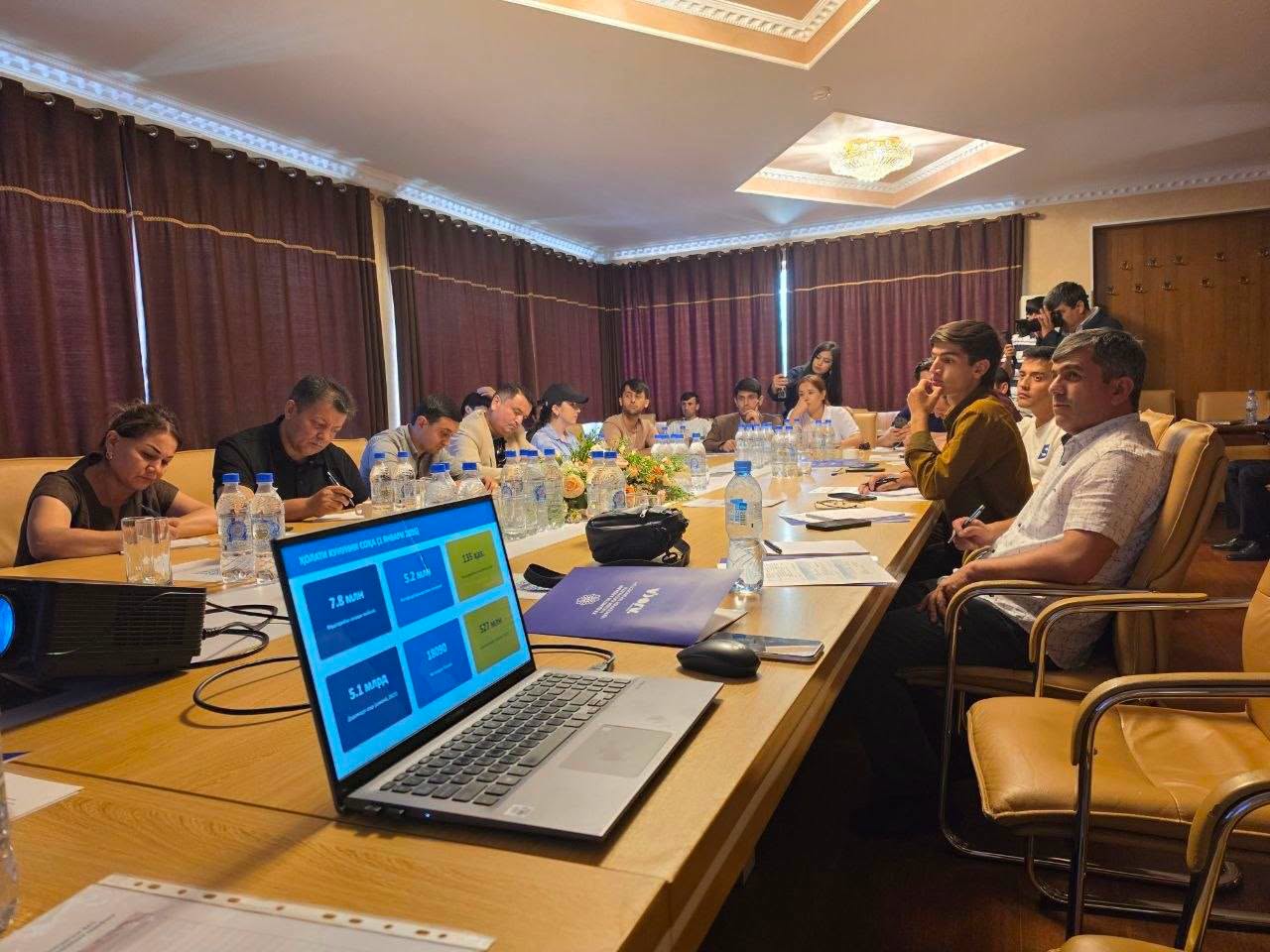
In particular, participants noted the need to increase the number of analytical and explanatory materials on digital technologies, prepare publications in a language understandable to a wide audience, and improve the digital literacy of the population.
Following the event, media representatives were given recommendations on regular and professional coverage of the implementation of the Strategy for the Development of the Communications Industry of the Republic of Tajikistan for the period up to 2040.
A Club of Journalists in the Communications and Digital Economy Sector has been established in Tajikistan.
One of the outcomes of the seminar was the creation of the "Club of Journalists of the Communications and Digital Economy Industry."
The new platform is expected to strengthen interactions between media representatives, government agencies, and telecommunications industry specialists.
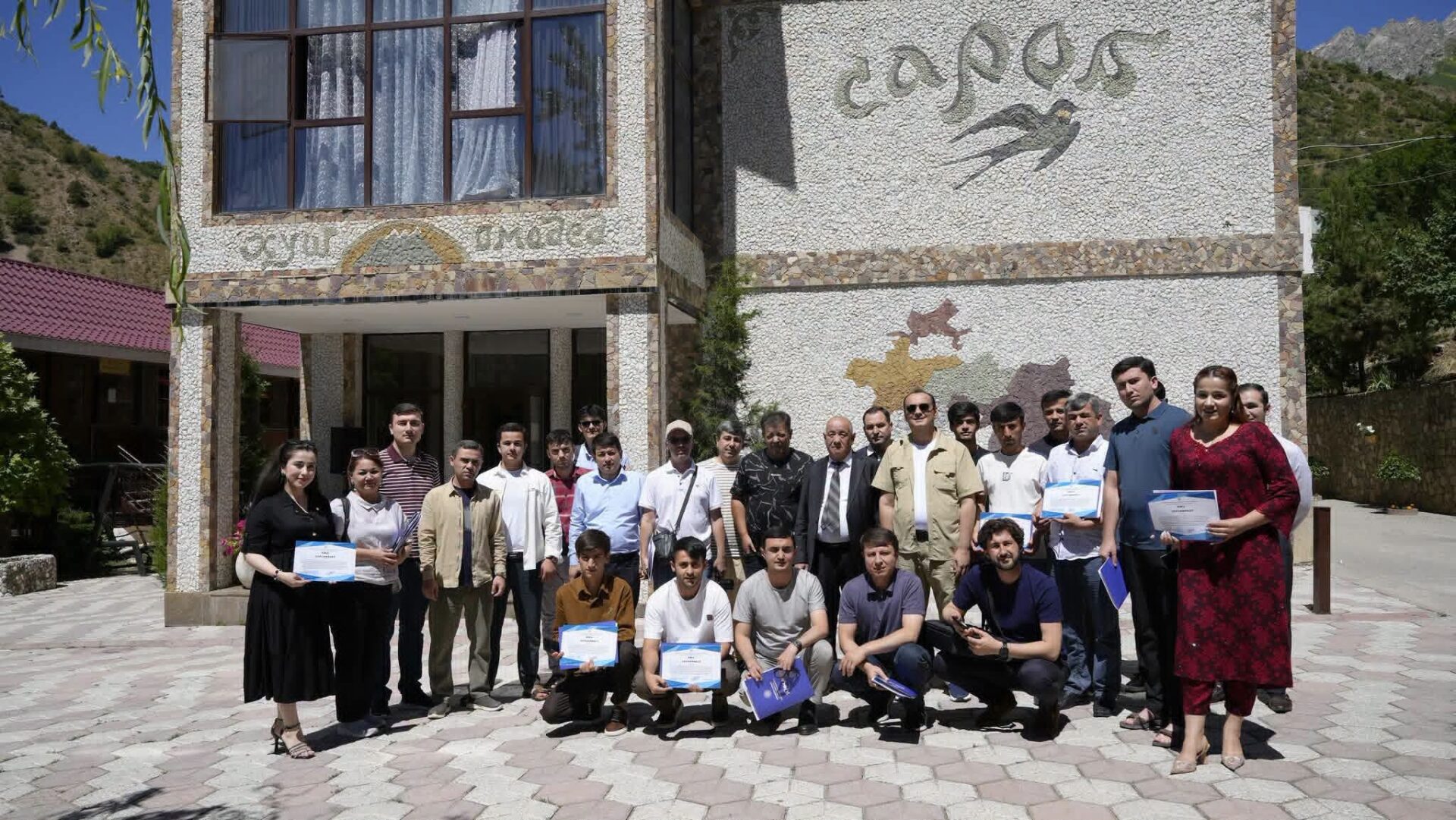
The club also aims to facilitate information exchange, enhance the professional knowledge of journalists, and provide more in-depth coverage of Tajikistan's digital transformation processes.
Seminar participants noted the need for regular meetings like these. They believe that ongoing dialogue between government agencies, industry experts, and the media will improve the quality of reporting on communications and digital technologies.
The seminar's results are expected to contribute to the expansion of the industry's information space, increased digital literacy among the population, and more active media participation in explaining Tajikistan's strategic goals in the field of communications and the digital economy.