Translated with AI




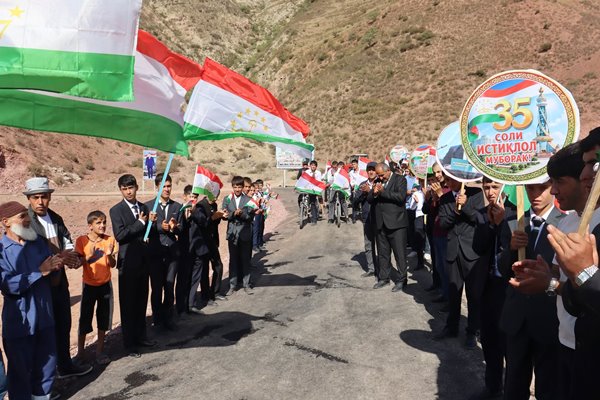



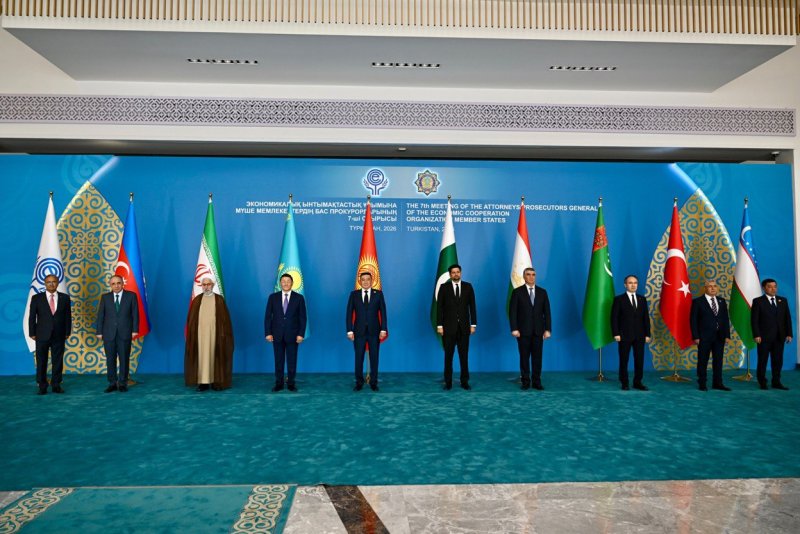



















The World Bank's Board of Directors approved a $100 million grant from the International Development Association (IDA) to Tajikistan to support key economic reforms. The financing will support transformation in the digital, aviation, and energy sectors, promoting greater economic openness, and creating new, better-paying jobs, according to the World Bank Group press service.
The grant is provided under the second development policy support project of the "Competitive and Inclusive Tajikistan" program. It continues the first phase of the program, approved in August 2025, and reflects the government's commitment to implementing the planned reforms.
The program is aligning with Tajikistan's National Development Strategy to 2030. It calls for improving digital and aviation connectivity, increasing energy efficiency, and expanding opportunities for productive employment. Despite sustained economic growth, Tajikistan remains heavily dependent on remittances and foreign-financed public investment. Therefore, special attention is being paid to developing a stronger and more competitive private sector capable of creating more jobs with decent wages.
"Tajikistan has demonstrated a genuine commitment to reform," said World Bank Group Country Manager for Tajikistan Gael Raballand.
According to him, the project's implementation should ensure that the adopted reform commitments lead to tangible changes for the population and businesses. Specifically, these are expected to increase the availability of internet services, improve the quality and reliability of air travel, enhance the attractiveness of the energy sector for private investment, improve targeted social assistance, and enhance the transparency and accountability of state-owned enterprises.
The project envisages reforms aimed at increasing the openness and competitiveness of the economy. In the telecommunications sector, measures to improve the management of radio frequency spectrum allocation and enhance competition should contribute to improved corporate governance, lower internet service costs, and greater public access to digital services.
In the civil aviation sector, plans are underway to introduce more transparent pricing mechanisms, as well as reform the regulatory and safety oversight system. These measures are expected to improve the competitiveness and accessibility of airport infrastructure services and facilitate the attraction of new airlines to the market.
The program also supports the development of investor support services, improved dispute resolution mechanisms, and streamlined work permit issuance procedures. These measures are aimed at stimulating the influx of foreign investment into the country's economy.
To create a more level playing field for business, the government is reducing preferential state subsidies, increasing transparency by introducing a public register of state support measures, and promoting a new competition law that provides for stronger market oversight and enforcement.
The reforms also include improving the governance of state-owned enterprises and increasing their transparency through stricter disclosure requirements and the implementation of international corporate governance standards.
Significant progress has already been made in reforming tariff policies and improving operational efficiency in the energy sector. Significant changes have also been made to resource allocation mechanisms, aimed at strengthening governance, increasing transparency, and creating a more favorable environment for attracting private investment in renewable energy sources. These measures are expected to meet growing electricity demand while reducing the burden on the state budget.
The reforms are also expected to strengthen the energy system by reducing reliance on centralised infrastructure that is vulnerable to climate-related risks, including floods and landslides.
To improve the effectiveness of support for vulnerable households, the government has reviewed and improved the methodology for providing targeted social assistance. Additional reforms in education and healthcare include increased transparency of budget expenditures by publishing detailed data on budget allocations and actual expenditures at the school and primary healthcare facility level.
According to the World Bank, the implementation of this set of reforms will strengthen the country's economic resilience, promote private sector development and job creation, improve the effectiveness of public administration and the public sector, and support more inclusive and sustainable economic growth in Tajikistan.
It is noted that the reform program also aims to ensure maximum economic returns from the significant investments in the Rogun hydroelectric power station project and expand access to benefits from its implementation for the poorest and most vulnerable segments of the country's population.
The World Bank Group reported that the International Development Association is currently financing 25 projects in Tajikistan totaling $1.93 billion. The International Finance Corporation (IFC) manages an investment portfolio of $69 million, supporting seven private sector clients.