Translated with AI




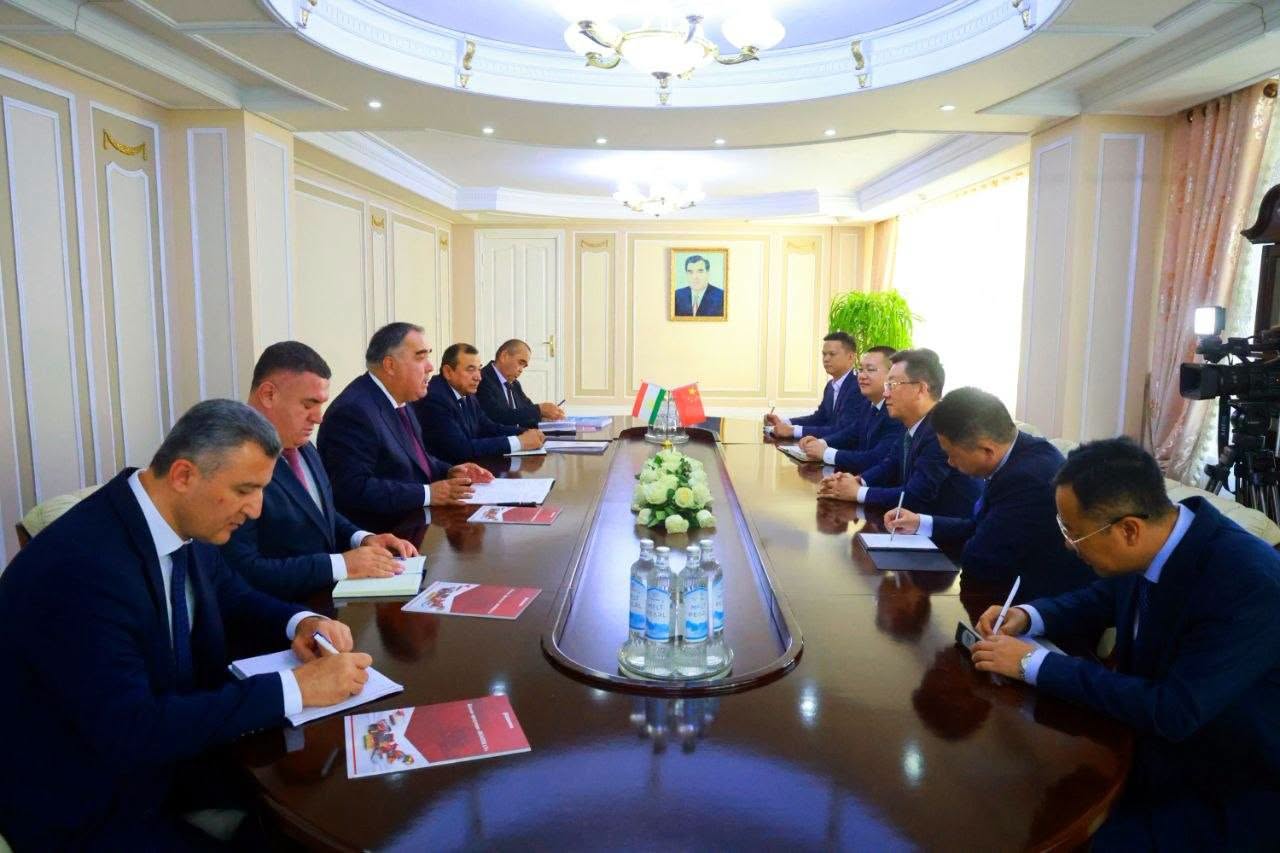






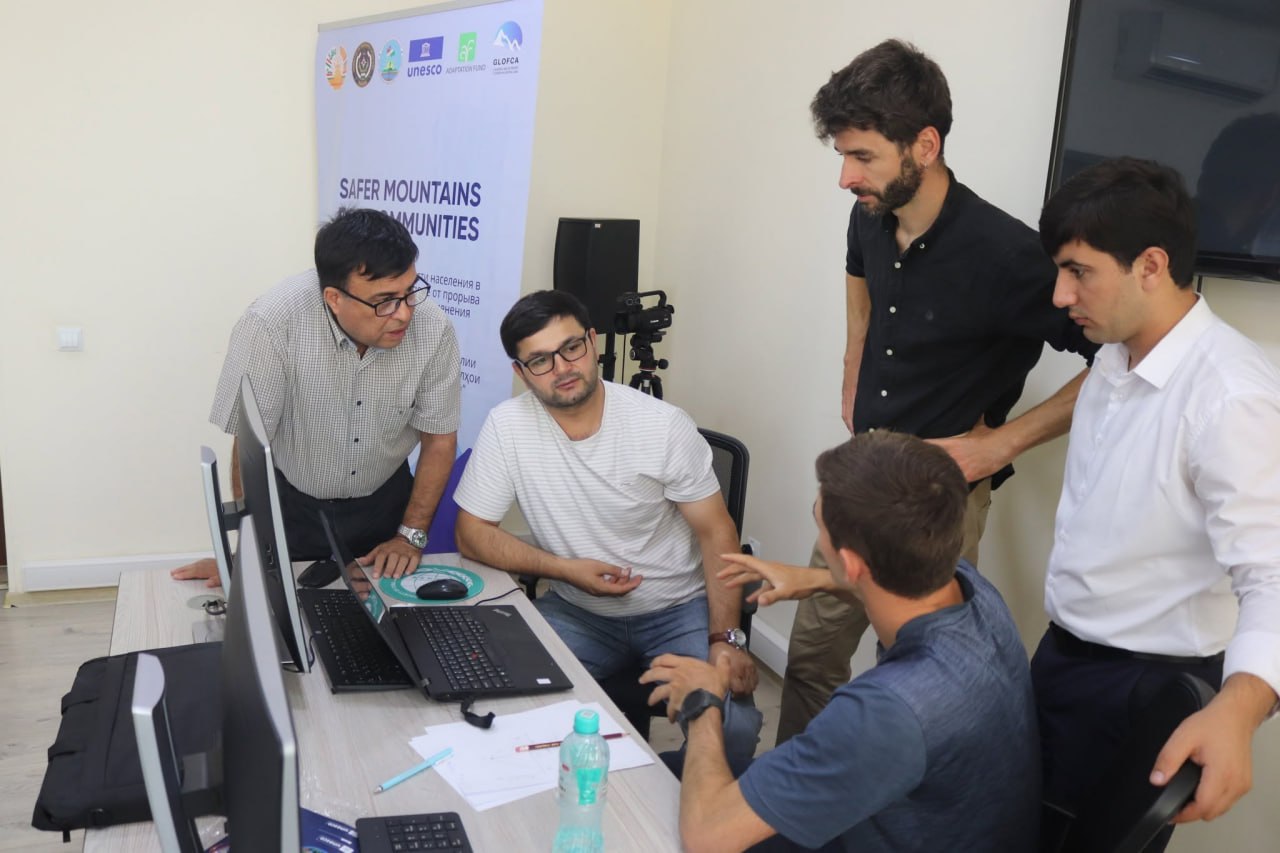













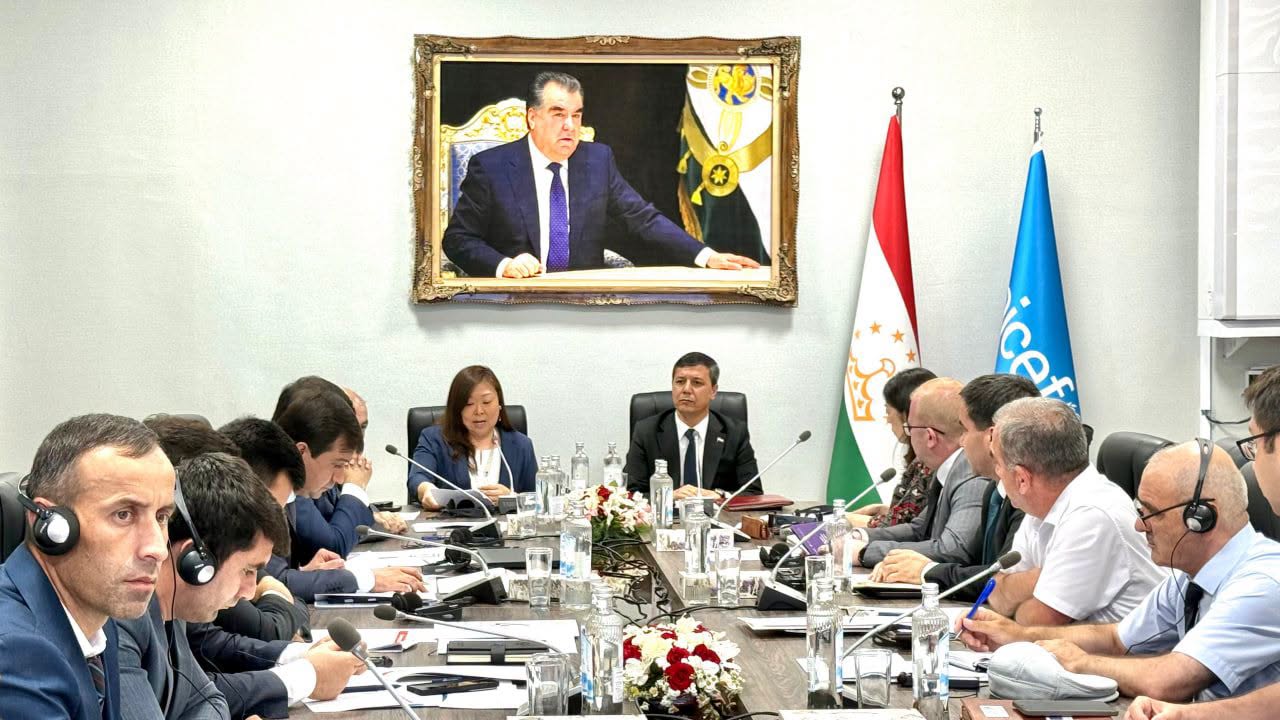
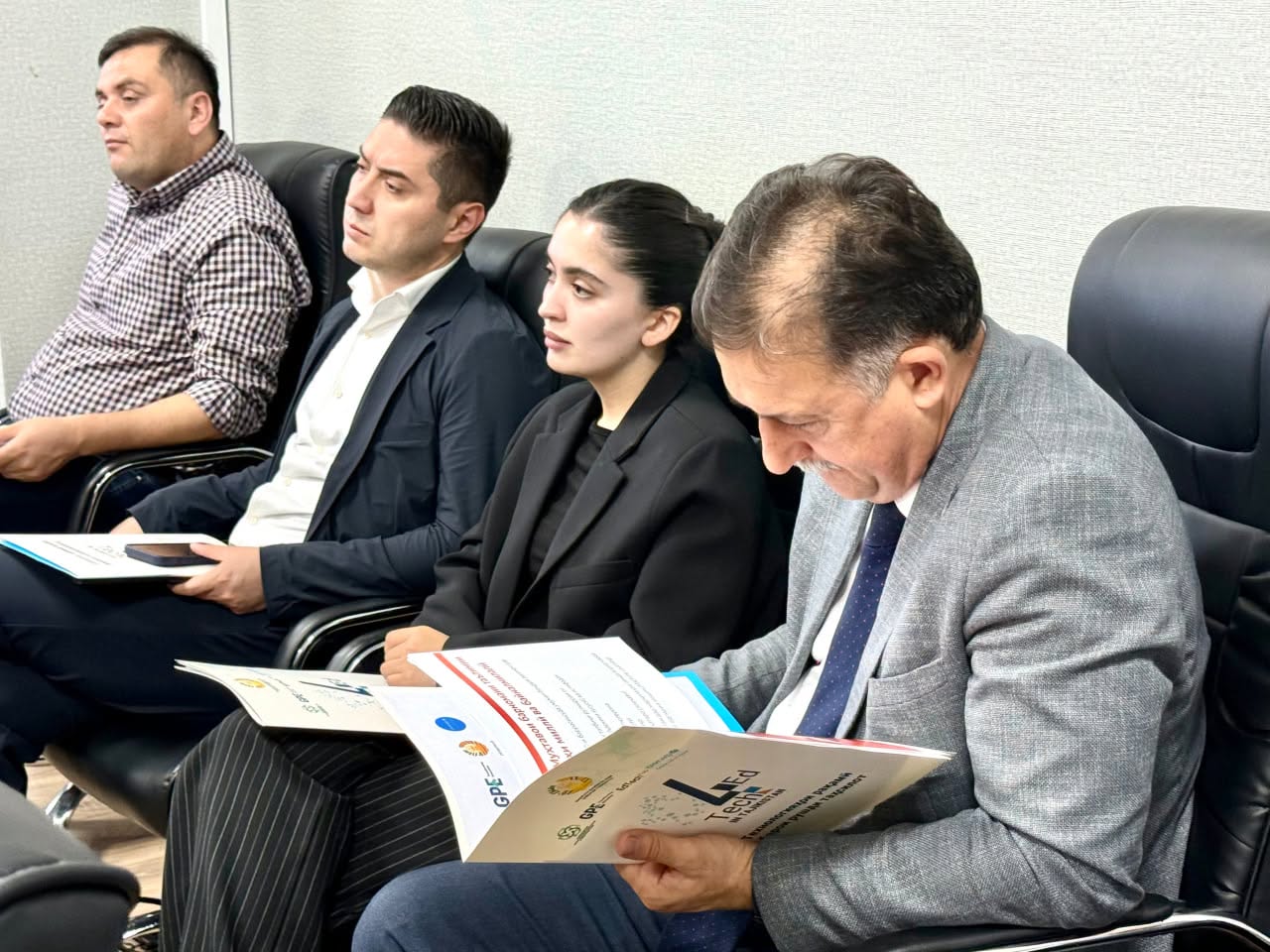
The implementation of artificial intelligence in the education system was one of the key topics at the latest meeting of the Education Digitalization Task Force (ETSC), held on June 18, 2026, at the State Institution "Republican Center for Analysis, Information, and Digital Technologies" of the Ministry of Education and Science of the Republic of Tajikistan. This was reported by the Ministry of Education and Science of the Republic of Tajikistan.
Representatives of the Ministry of Education and Science, the United Nations Children's Fund (UNICEF), the Global Partnership for Education (GPE), EdTech Hub, subordinate institutions of the ministry, and industry experts participated in the meeting.
Opening the meeting, First Deputy Minister of Education and Science of the Republic of Tajikistan, Homid Khoshimzoda, emphasized the importance of developing digital education and preparing students for the demands of the modern world.

One of the central issues on the agenda was the presentation of the results of the research on Area 4 of the Technology for Education Development (Tech4Ed) initiative, dedicated to the development of the “Fundamentals of Artificial Intelligence” curriculum for students in grades 5–11.
International and national experts presented the results of the study, introduced participants to international experience in teaching artificial intelligence, analyzed the current state of this field in the Republic of Tajikistan, and discussed possible ways to integrate it into the general education system.





The discussions focused on issues of teacher training, the development of educational materials in the Tajik language, and ensuring equal access to educational opportunities for schools in both urban and rural areas. Participants also discussed the responsible and safe use of digital technologies and the development of a national policy on the application of artificial intelligence in education.
K. Mukhammadrajabzoda, Head of the Education Digitalization Projects Implementation Group and Director of the Republican Center for Analysis, Information, and Digital Technologies, noted that the introduction of artificial intelligence into the education system should be gradual, taking into account the actual capabilities of educational institutions, the level of teacher training, and national priorities.
Following the meeting, participants exchanged views on further steps to develop this area. Specifically, they discussed the development of national goals for artificial intelligence education, the improvement of educational programs, strengthening the capacity of teachers, and the launch of a pilot implementation of a new curriculum.