Translated with AI


































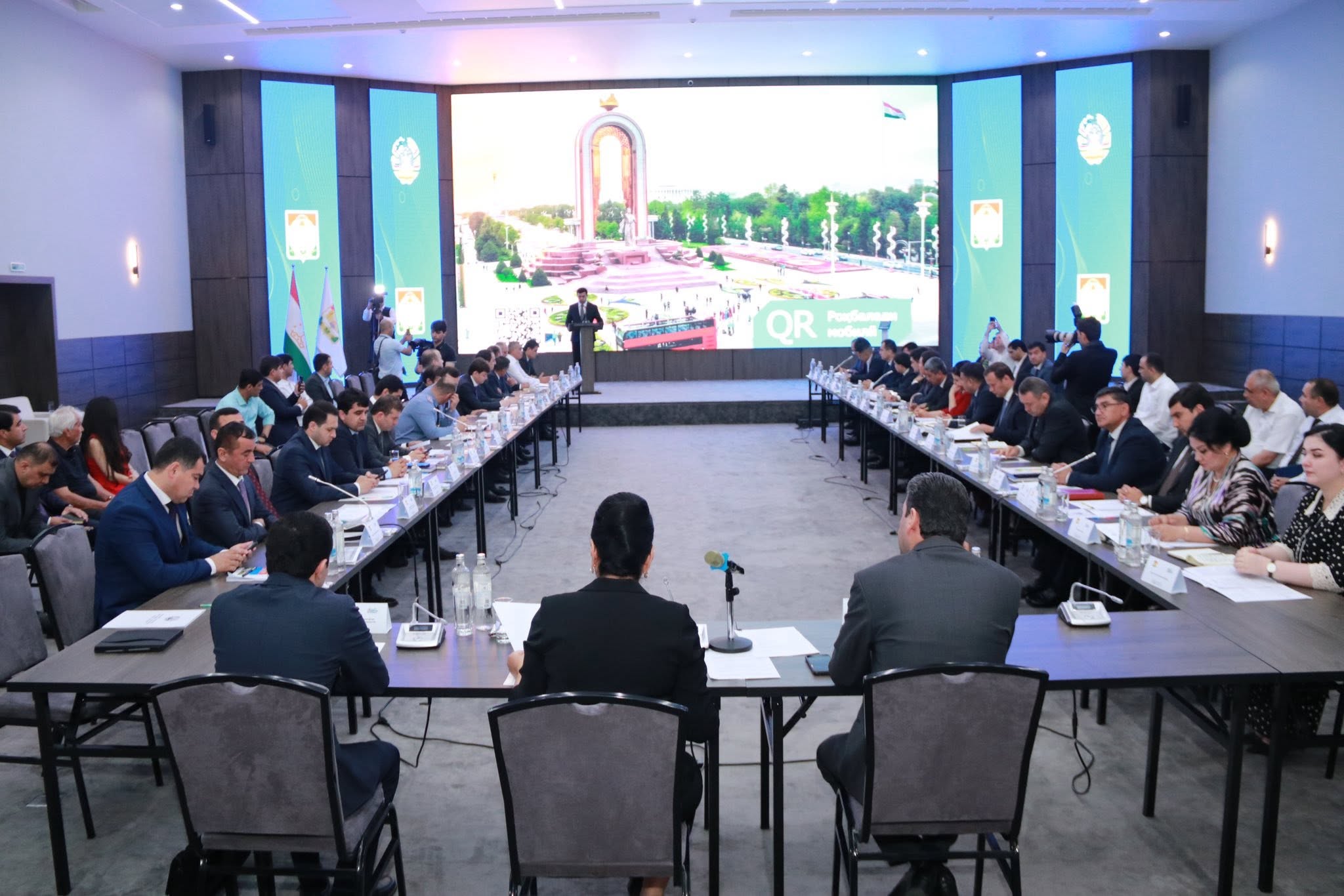
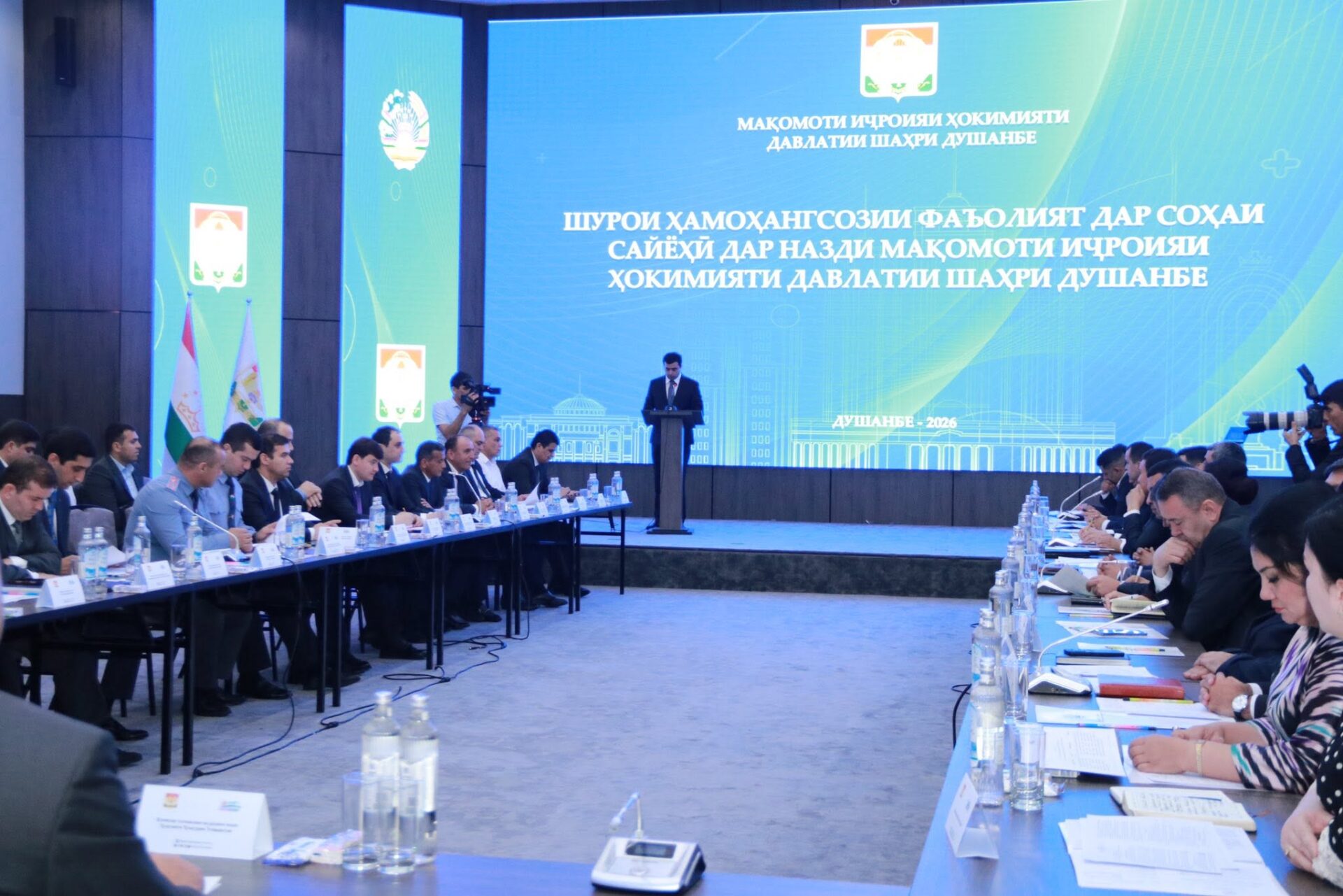
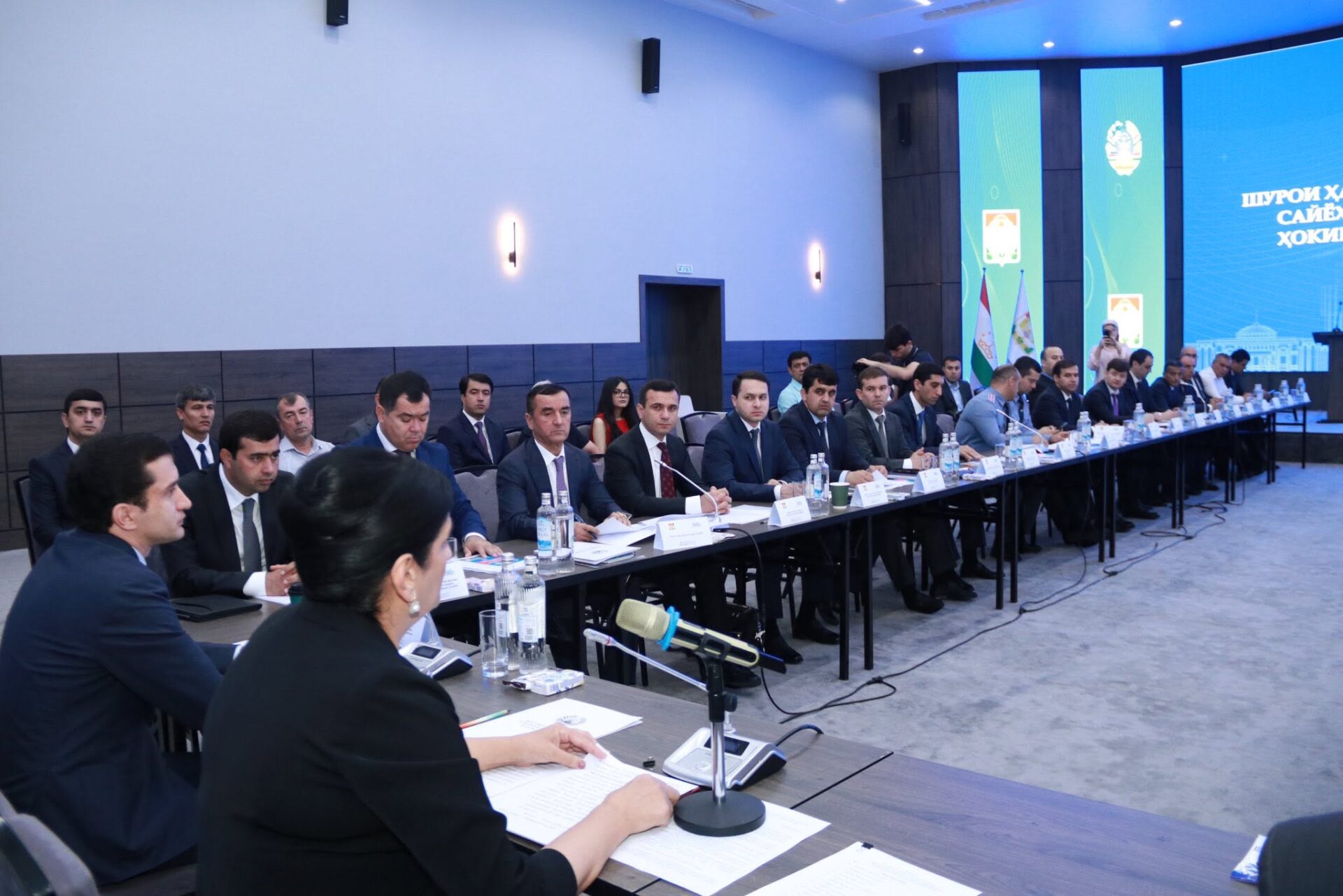
An innovative project, "QR Guide," aimed at developing tourism infrastructure and digitalizing tourism services, was unveiled in Dushanbe. The project was presented on June 18 during a regular meeting of the Coordination Council for Tourism Activities under the Dushanbe City Executive Authority.
The project, initiated by the capital's administration, aims to provide city residents, visitors, and foreign tourists with reliable information about Dushanbe's historical, cultural, and tourist attractions. Its implementation is also aligned with the state program "Years of Digital Economy and Innovation Development – 2025–2030."
As noted during the meeting, the QR Guide system is a logical extension of state policy in tourism development and the digitalization of services. Its use is expected to increase tourist awareness and expand opportunities for exploring the history and culture of the Tajik people.
The project was developed in collaboration with civil society institutions. It allows users to obtain detailed information about 45 historical, cultural, and tourist sites in Dushanbe by scanning special QR codes. Information is available in Tajik, Russian, and English in text and audio formats.




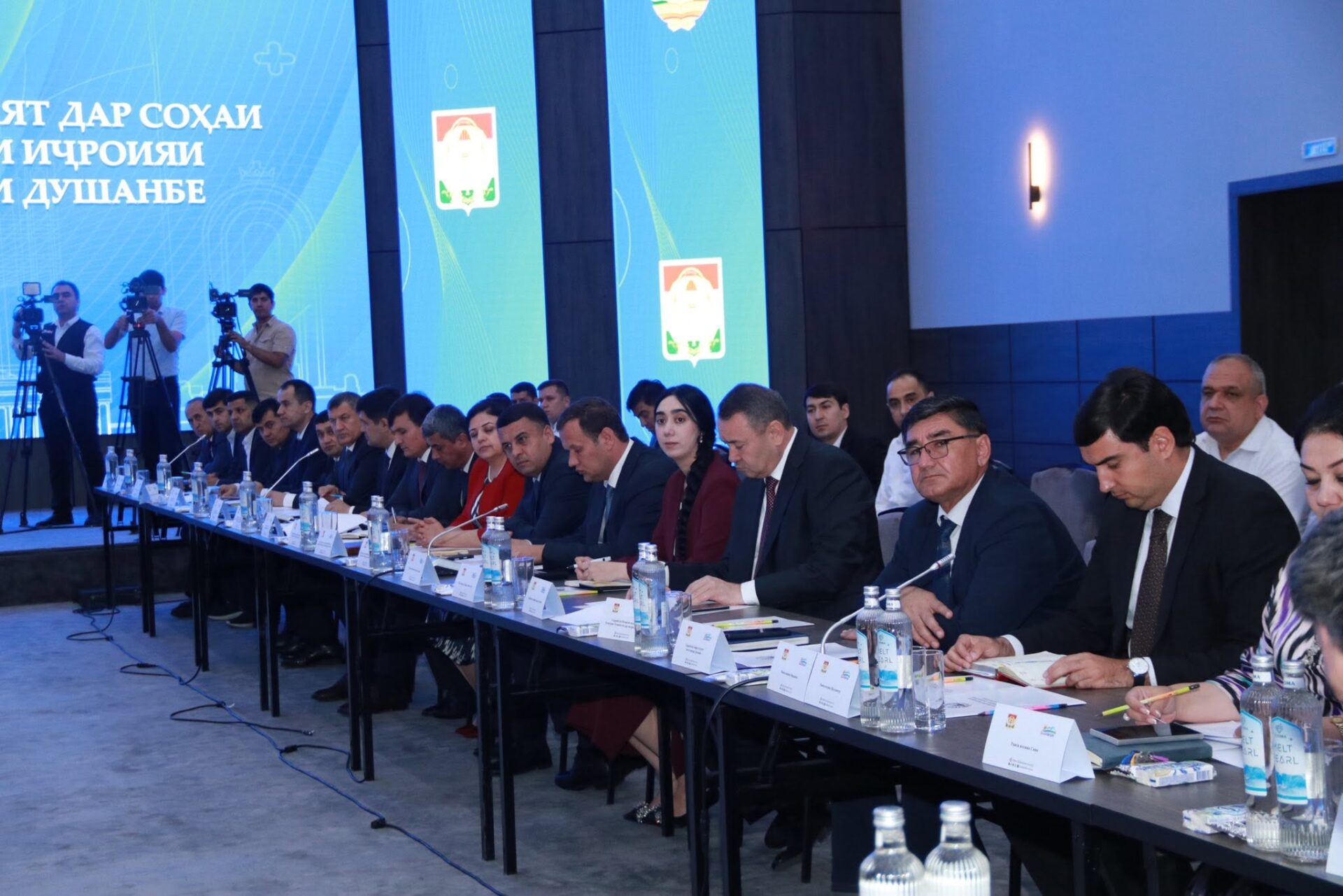
The next phase of the project plans to expand language support by adding Chinese and Arabic. "QR Guide" information signs have been made of marble and installed near the capital's most significant tourist attractions. Information about each attraction has been prepared by specialized experts and posted on the official Dushanbe tourism portal.
The project's developers note that, given the rapid development of digital technologies and the growing demand for immediate access to information, the use of such solutions is becoming a key requirement in the modern tourism market. Most travelers today access the information they need via smartphones and increasingly prefer digital services.




According to the initiative's authors, the implementation of the QR-guide system meets the modern requirements of the global tourism industry and is an important step toward the digitalization of tourism services in Dushanbe.
It is also emphasized that the use of QR codes allows tourists to quickly obtain accurate, reliable, and multilingual information, reduces the need for large information boards, and enables rapid updating of information. Furthermore, the project promotes the development of a culture of digital technology use, the modernization of tourism infrastructure, and the alignment of city services with international standards.
Today, the QR Guide is viewed not only as an information tool but also as an important element of the capital's digital tourism ecosystem. The implementation of such initiatives is expected to enhance Dushanbe's competitiveness in the international tourism market, improve the experience for visitors, and more effectively promote the city's historical and cultural heritage and tourism potential.
As noted during the presentation, the use of QR guides is already widely used in many developed cities worldwide and is a key element of the Smart City concept. In Dushanbe, the implementation of this system is seen as a significant step in the development of a modern digital and tourism environment.