Translated with AI

























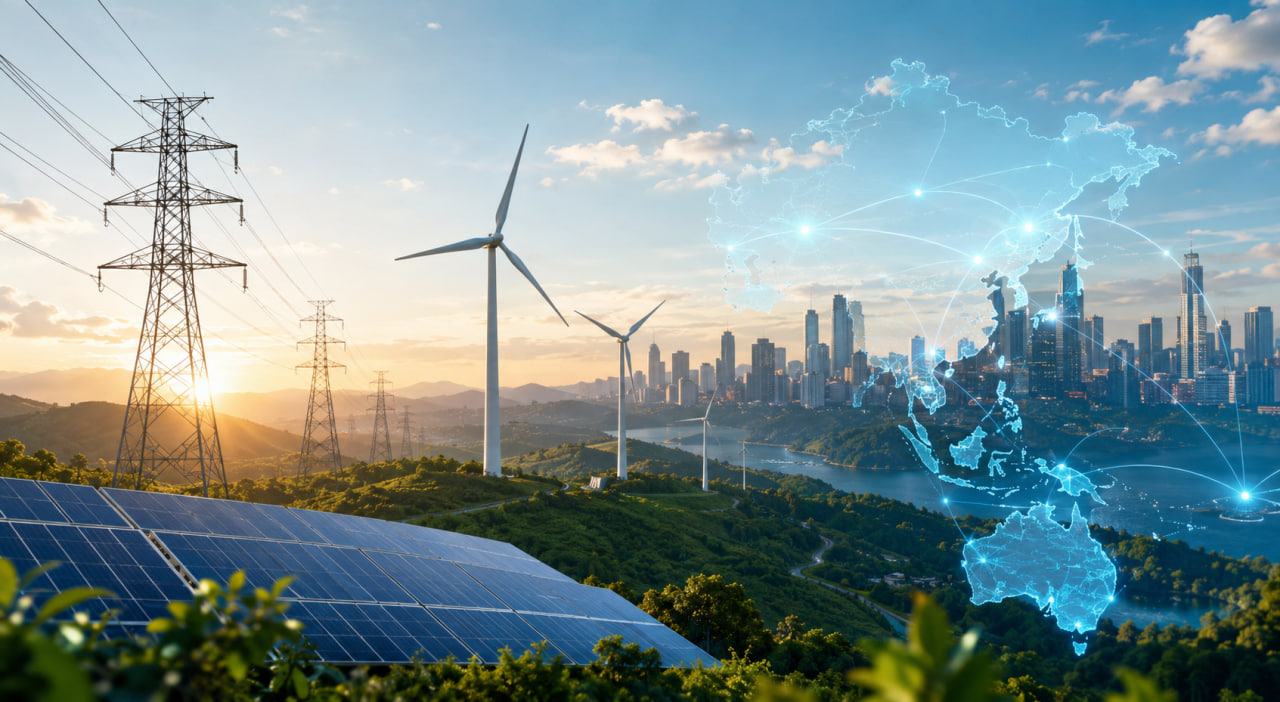
Countries in Asia and the Pacific must step up cooperation to create a cleaner, more reliable, and interconnected energy system capable of supporting cross-border power transmission. Asian Development Bank President Masato Kanda made this statement at the opening of the Asia Clean Energy Forum (ACEF) 2026, which is taking place at ADB headquarters in Manila.
According to the bank's head, recent events have demonstrated the vulnerability of existing energy systems and the need for closer regional cooperation. He emphasized that no country can ensure complete energy security on its own, and the creation of a unified regional energy system will strengthen economic resilience and improve the reliability of energy supplies.
Masato Kanda noted that delays in implementing such initiatives could lead to higher energy prices, slower economic growth, and missed opportunities for millions of people in the region.
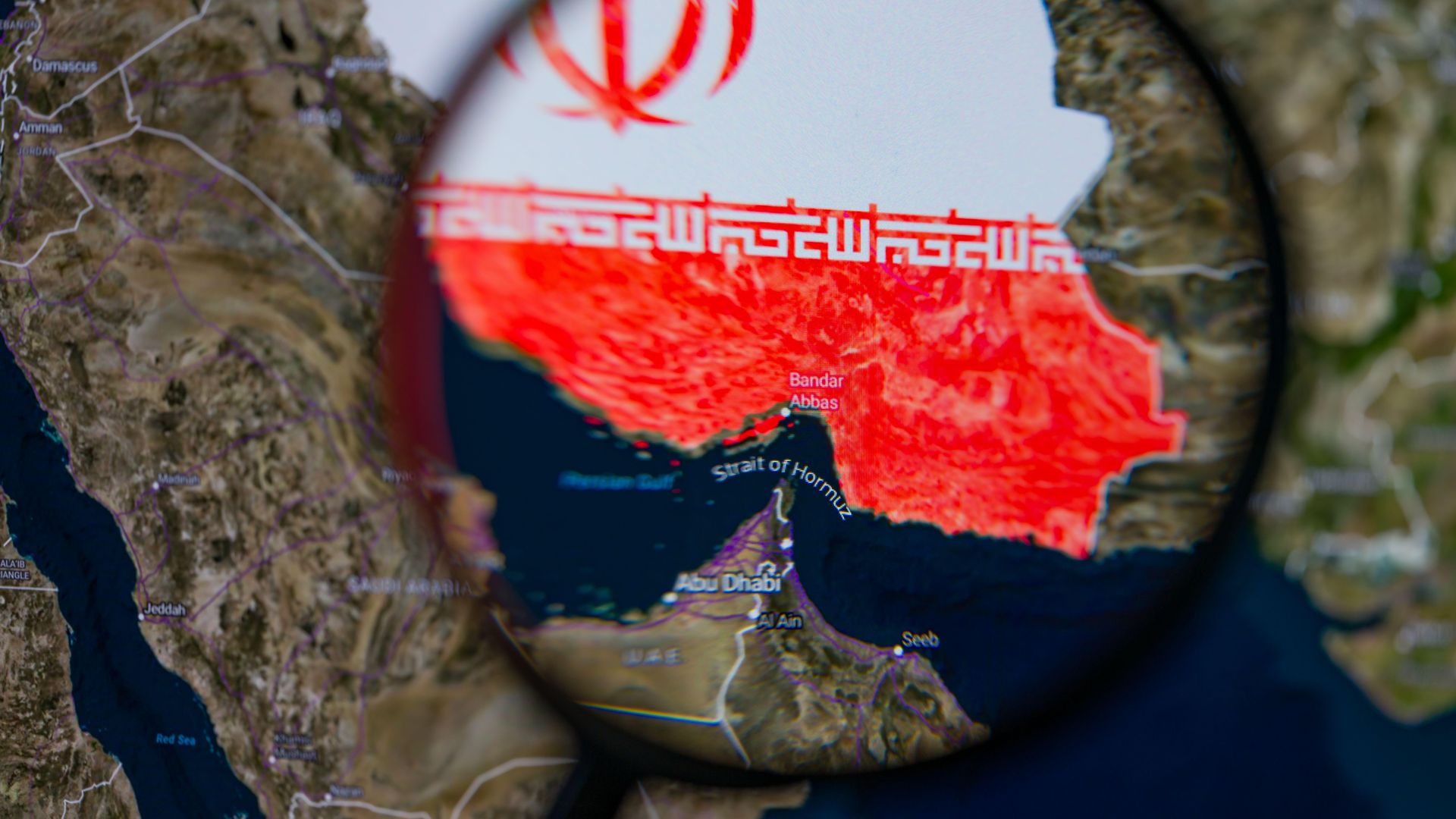
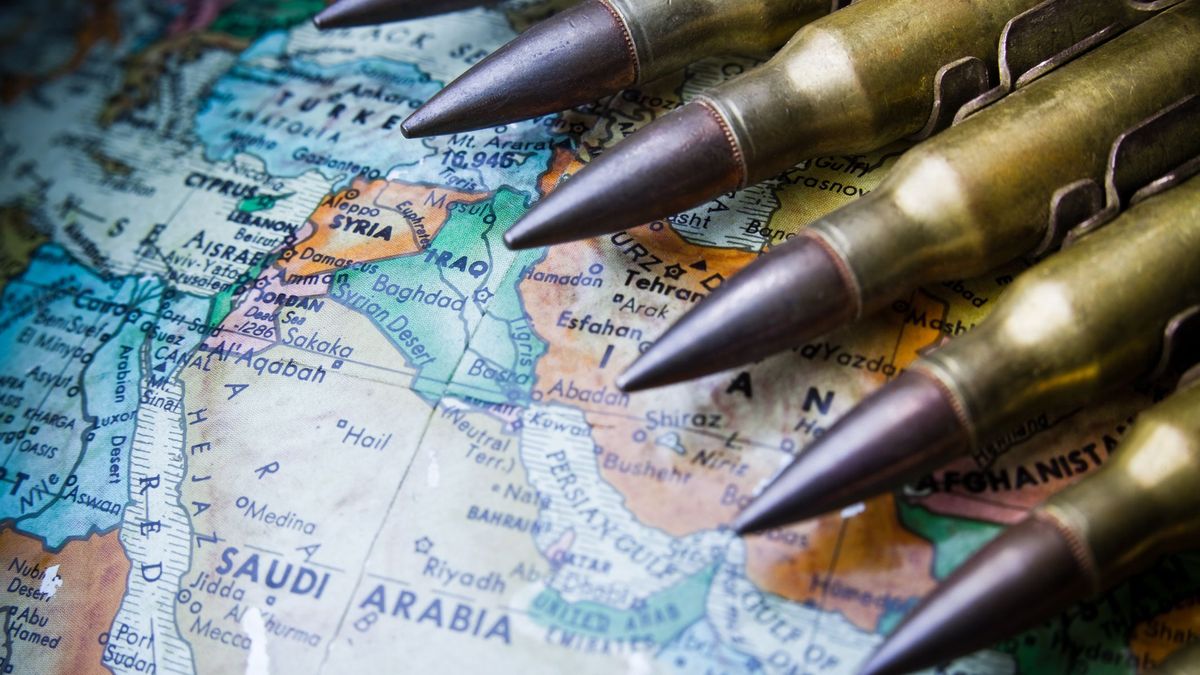
According to the Asian Development Bank, more than 350 million people in Asia and the Pacific have limited access to energy, and over 53 million are not connected to the power grid at all. The conflict in the Middle East has also highlighted additional risks to energy security.
The ADB predicts that energy demand in the region will nearly double by 2030. The main drivers of this growth will be economic development, urbanization, and the rapidly increasing needs of energy-intensive data centers driven by the development of artificial intelligence technologies.
To address these challenges, the bank is implementing the Pan-Asia Power Grid Initiative (PAGI), aimed at connecting national and regional power systems. The project envisions a transition from stand-alone bilateral energy projects to larger-scale, coordinated regional electricity trade.
The PAGI initiative is expected to mobilize US$50 billion by 2035, with the Asian Development Bank planning to provide half of this amount.
According to the presented plans, the project's implementation will enable the construction of 22,000 kilometers of power lines, the integration of 20 gigawatts of renewable energy capacity into the regional power grid, a 15 percent reduction in energy sector emissions, and the creation of approximately 840,000 jobs.
The ADB noted that for over 40 years, the organization has been promoting access to electricity in countries across Asia and the Pacific. The bank views the energy sector as a key tool for reducing poverty and stimulating economic growth.
ADB projects aim to expand energy access for the most vulnerable groups, develop clean energy, strengthen regional cooperation, and improve energy policy.
In 2025, the Asian Development Bank mobilized approximately US$3.4 billion for energy projects and investment programs in Asia and the Pacific.
The Asian Development Bank is a leading multilateral development bank supporting sustainable, inclusive, and crisis-resilient economic growth. Founded in 1966, the bank brings together 69 member countries, 50 of which are located in Asia and the Pacific.