Translated with AI




























The name "Vanchiakh Glacier" has been officially changed to "Tajikistan Glacier." The corresponding decree of the Government of the Republic of Tajikistan was signed on June 3, 2026.
Tajikistan's Vanchiakh Glacier, formerly known as Vanchiakh, is the largest glacier not only in the country but also in the world outside the polar regions. It stretches 77 kilometers and covers an area of approximately 700 square kilometers.
Among the glaciers of the Eurasian continent, it is second in area only to the Karakoram glaciers – Siachen, which is 76 kilometers long with an area of 750 square kilometers, and Baltoro, which is 62 kilometers long with an area of 750 square kilometers.
The Vanchyakh glacier system includes 100 glaciers.
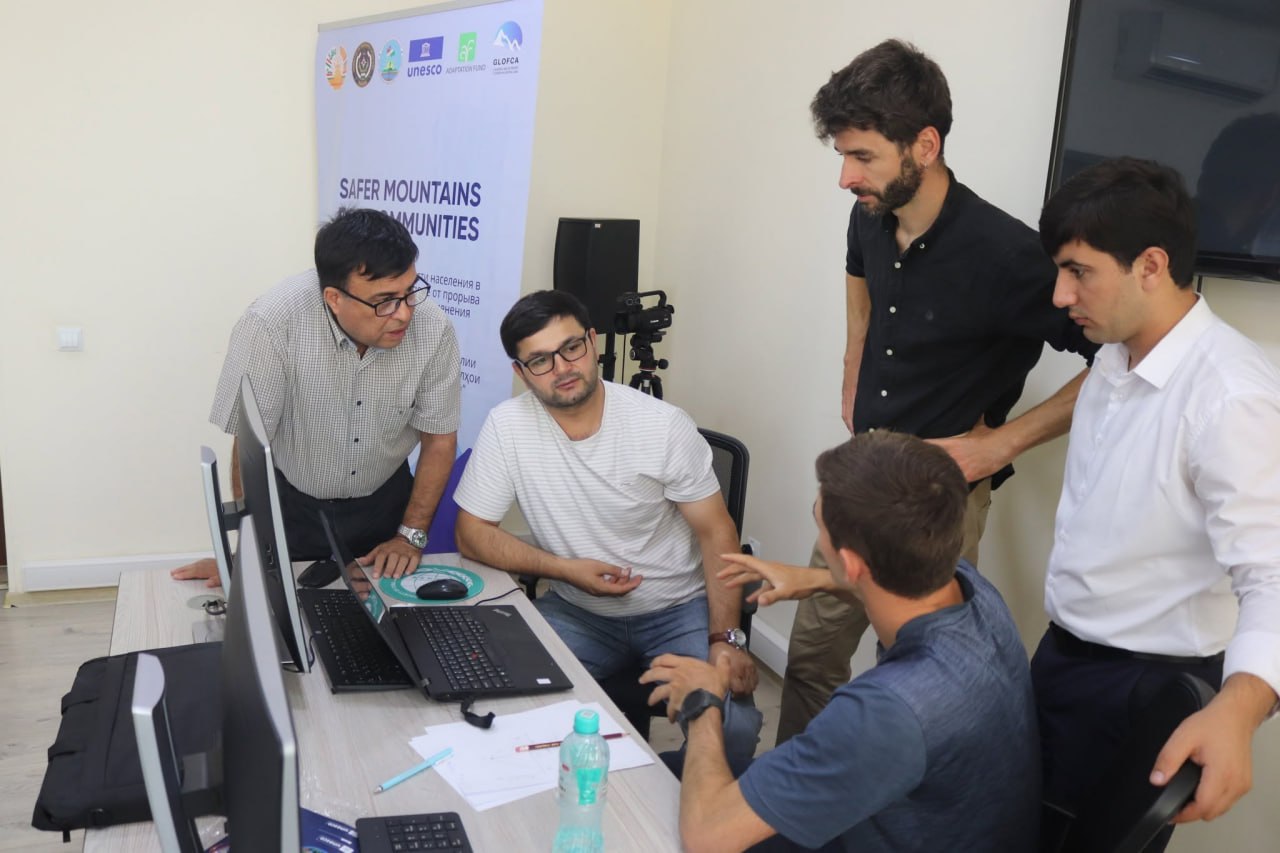
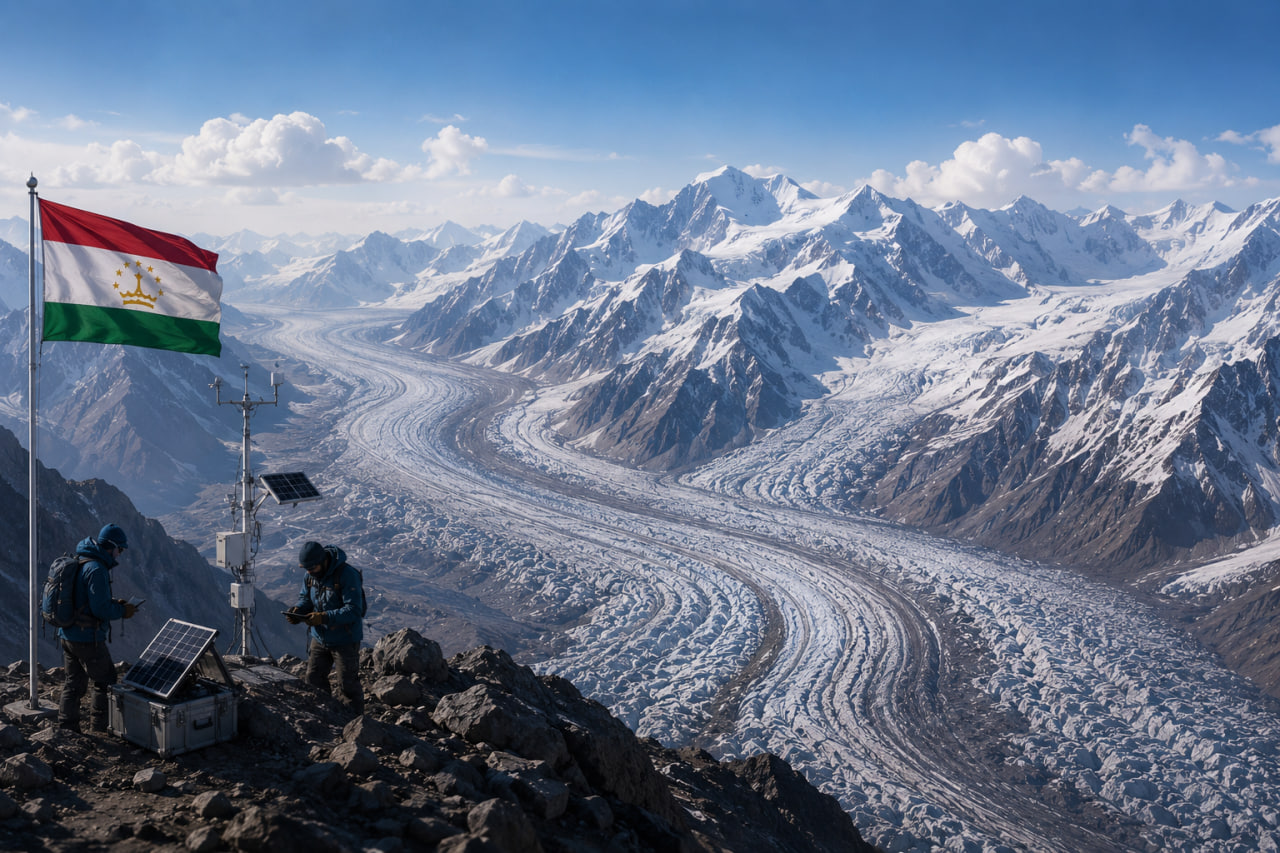
In 2025, scientific research was conducted on the glacier. An international expedition, part of the RECAP (Research on Climate and Cryosphere in the Pamirs) project, involving scientists from Tajikistan, Germany, and France, took place from July 19 to August 23, 2025.
The main goal of the expedition was to create a comprehensive continuous monitoring system to study climate change and glaciological processes in one of the most important sources of fresh water in Central Asia.
All heavy equipment was transported manually to high altitudes over 5,000 meters above sea level. Despite the lack of oxygen, the cold, and the challenging terrain, the scientists managed to launch an autonomous station that transmits real-time data to a central database.
All new stations were installed according to plan, and the collected data will be integrated into an international climate research network for the first time in history.
This is expected to enable more accurate assessment and forecasting of glacier melting processes, as well as their impact on water resources in Central Asia.
Tajikistan's glacier is not only an object of scientific research, but also an important indicator of future freshwater supplies for millions of people.