Translated with AI




























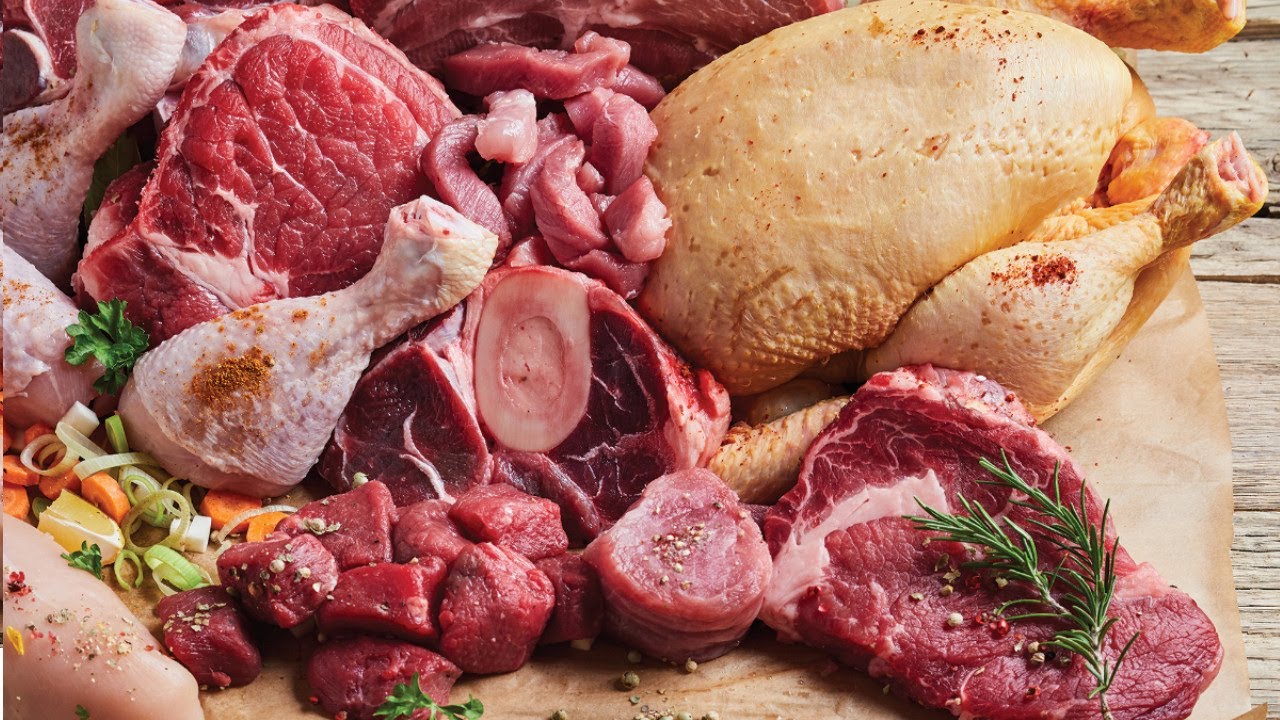
Over the past six decades, the structure of global meat consumption has changed significantly. According to the Food and Agriculture Organization of the United Nations (FAO), the most significant increase has been in poultry.
While in 1961 the average person consumed less than three kilograms of chicken per year, by 2022 this figure had reached 17 kilograms. Thus, chicken consumption has increased more than sixfold.
Pork consumption doubled over the same period, reaching 15 kilograms per person per year. Meanwhile, beef consumption remained virtually unchanged, at around nine kilograms per person.
According to the FAO, total global meat supplies increased from 25 kilograms per person in 1961 to 47 kilograms in 2022, nearly doubling. Total meat production has quadrupled over the past 60 years, and this trend is projected to continue.
The report also notes the environmental impact of livestock farming. Agriculture remains the second-largest source of pollution in the global economy. Livestock farming accounts for approximately 12–20% of greenhouse gas emissions associated with climate change. Furthermore, this sector is a major contributor to biodiversity loss.
Agricultural emissions are projected to grow by 7.6% over the next decade, with livestock production accounting for about 80% of this increase.
The report's authors also note significant inequalities in food access. In high-income countries, meat consumption remains high and stable, while in low- and middle-income countries, access to animal products remains limited.
FAO specialist Daniela Battaglia noted that regional distribution and access to food remain extremely uneven. She noted that high-income countries maintain high levels of consumption, while low-income countries continue to face restrictions.
The Intergovernmental Panel on Climate Change considers a shift from a meat-rich diet to a more plant-based one as an effective measure to reduce greenhouse gas emissions. However, the FAO report does not recommend reducing meat consumption. Instead, it focuses on technological solutions to environmental problems.
Daniela Battaglia emphasized that modern technologies, innovations, and accumulated knowledge make it possible to significantly reduce emissions. However, she noted that animal products continue to play an important role as a source of nutrients, so it's necessary to find a balance between reducing negative environmental impacts and preserving the positive effects.
At the same time, a number of experts criticized the report's authors' approach. New York University food systems researcher Matthew Hayek stated that the document largely ignores the consequences of high meat consumption in wealthy countries.
Cleo Verkuyl, a representative of the Stockholm Environment Institute, shares a similar position. She noted that the report's goal is to support countries experiencing food shortages, but this approach fails to address the situation in high-income countries, where public health and environmental conditions, in her view, indicate the need to reduce meat consumption.
FAO also announced the preparation of a follow-up report that will focus on environmental sustainability in greater detail.