Translated with AI
































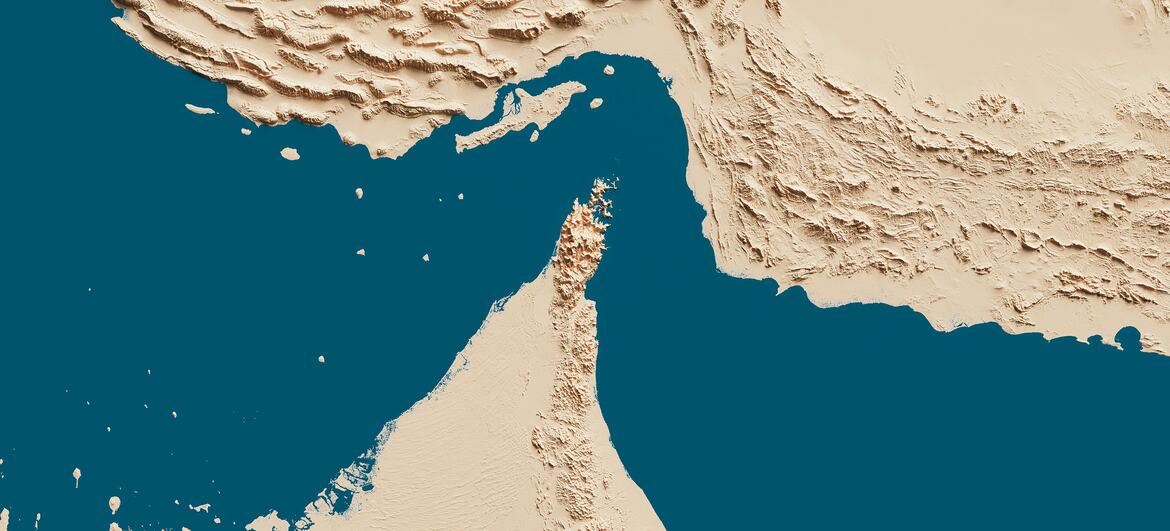
Amid mutual accusations between Iran and the United States of violating the ceasefire in the Strait of Hormuz, the UN has called on civilian vessels to exercise extreme caution.
The International Maritime Organization stated that it is aware of incoming reports of security threats, but is still verifying details. The organization is investigating reports of recent attacks on vessels.
According to the Royal Navy's Maritime Movements Coordination Centre, a tanker was fired upon north of Fujairah on May 4, and a bulk carrier was attacked off the coast of Iran the day before. Other vessels in the area were ordered by radio to leave their moorings.
At least 41 incidents involving ships in the Persian Gulf, the Strait of Hormuz and the Gulf of Oman have been reported since the end of February.
On Monday, Iran claimed to have struck a US warship it claimed was attempting to enter the strait. The United States denied the report. Later, US President Donald Trump announced that the country was prepared to assist vessels in the strait in leaving the area.
The International Maritime Organization is working with shipping companies to develop contingency plans, including the possible evacuation of vessels and crews caught in the conflict zone. It is estimated that such measures could affect approximately 800 vessels, including oil tankers, bulk carriers, and container ships. The average crew size per vessel is approximately 25.
The organization warns that if the conflict escalates, all vessels aboard in the Persian Gulf will be at risk. The threat includes possible shelling, as well as food and water shortages. While assistance has already been provided to approximately 450 sailors, tens of thousands remain at sea.
It emphasizes that escorting civilian vessels with military ships alone does not solve the problem. The organization calls for de-escalation and a long-term agreement to ensure safe navigation.
At the same time, the UN reports a difficult situation in Lebanon, where instability remains after the ceasefire. It remains particularly tense in the southern regions, where displaced persons are returning.
It is noted that access to medical care is limited: three hospitals and 41 primary health care centers are not functioning, and some facilities are only partially functioning.
The country is experiencing shortages of essential medications and medical supplies. Health officials are warning of an increased risk of complications and deaths if these problems are not addressed.
Despite the challenges, humanitarian organizations and UN partners continue to expand their assistance, including tuberculosis screening among displaced people. Over 750 people have been tested in recent weeks.