Translated with AI

























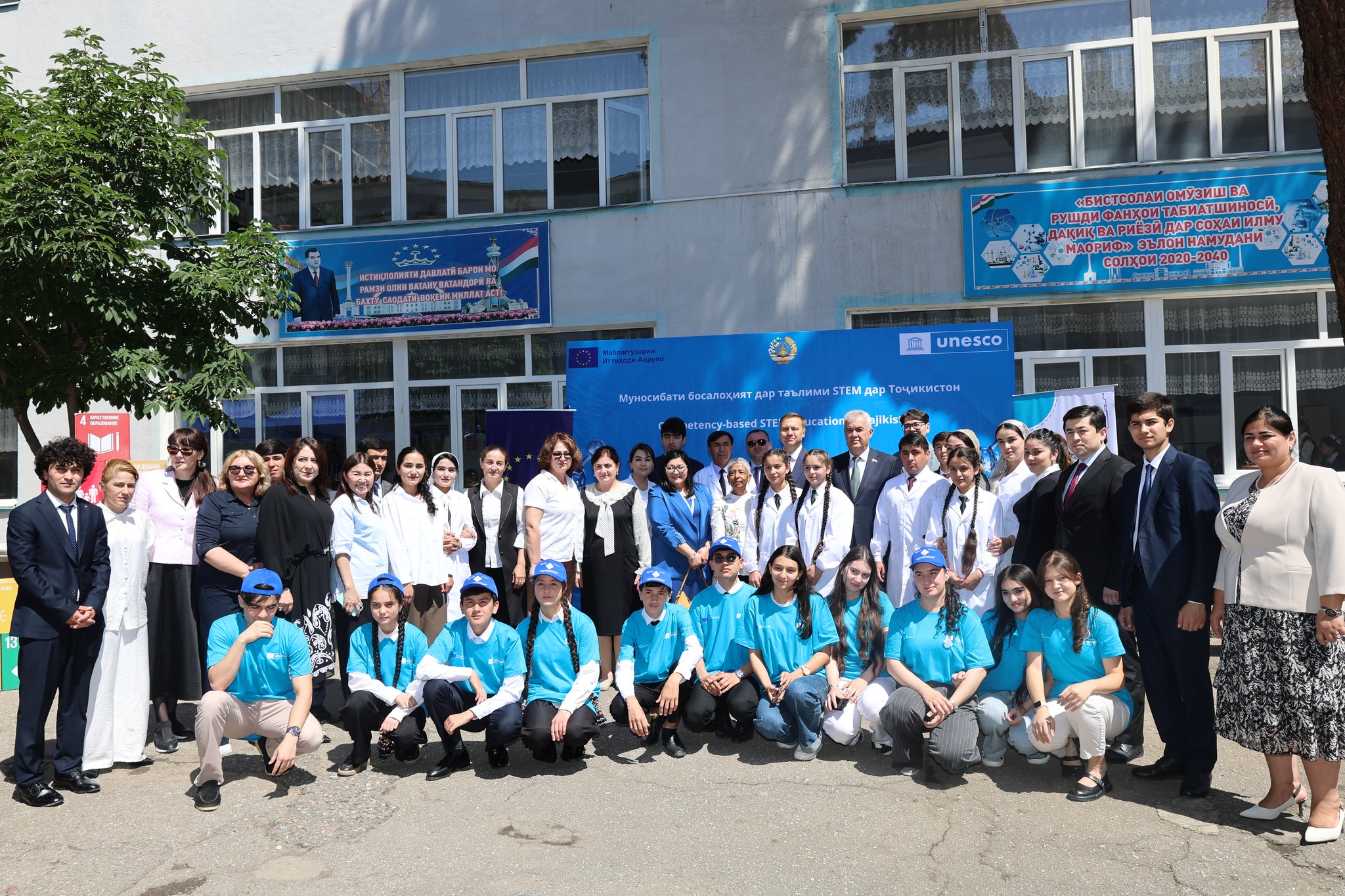
On May 5, 2026, a state-of-the-art STEM laboratory for teacher training institutions was officially opened at Secondary School No. 35 in Dushanbe. The event was part of a joint project between the Ministry of Education and Science of the Republic of Tajikistan, the European Union, and UNESCO, according to the Ministry of Education and Science of Tajikistan.
It is noted that the project is aimed at developing STEM education, introducing information and communication technologies, and improving the quality of education.
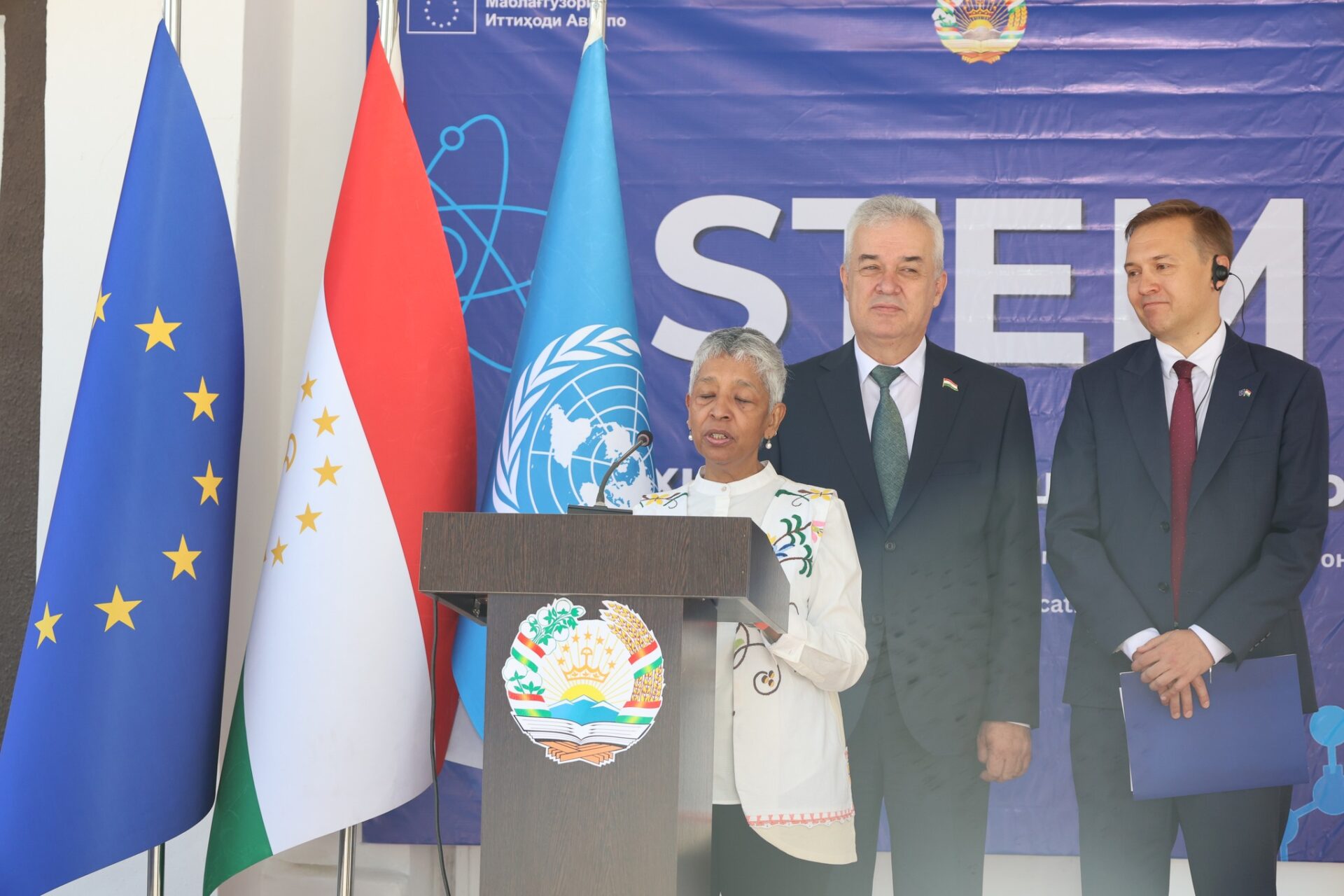
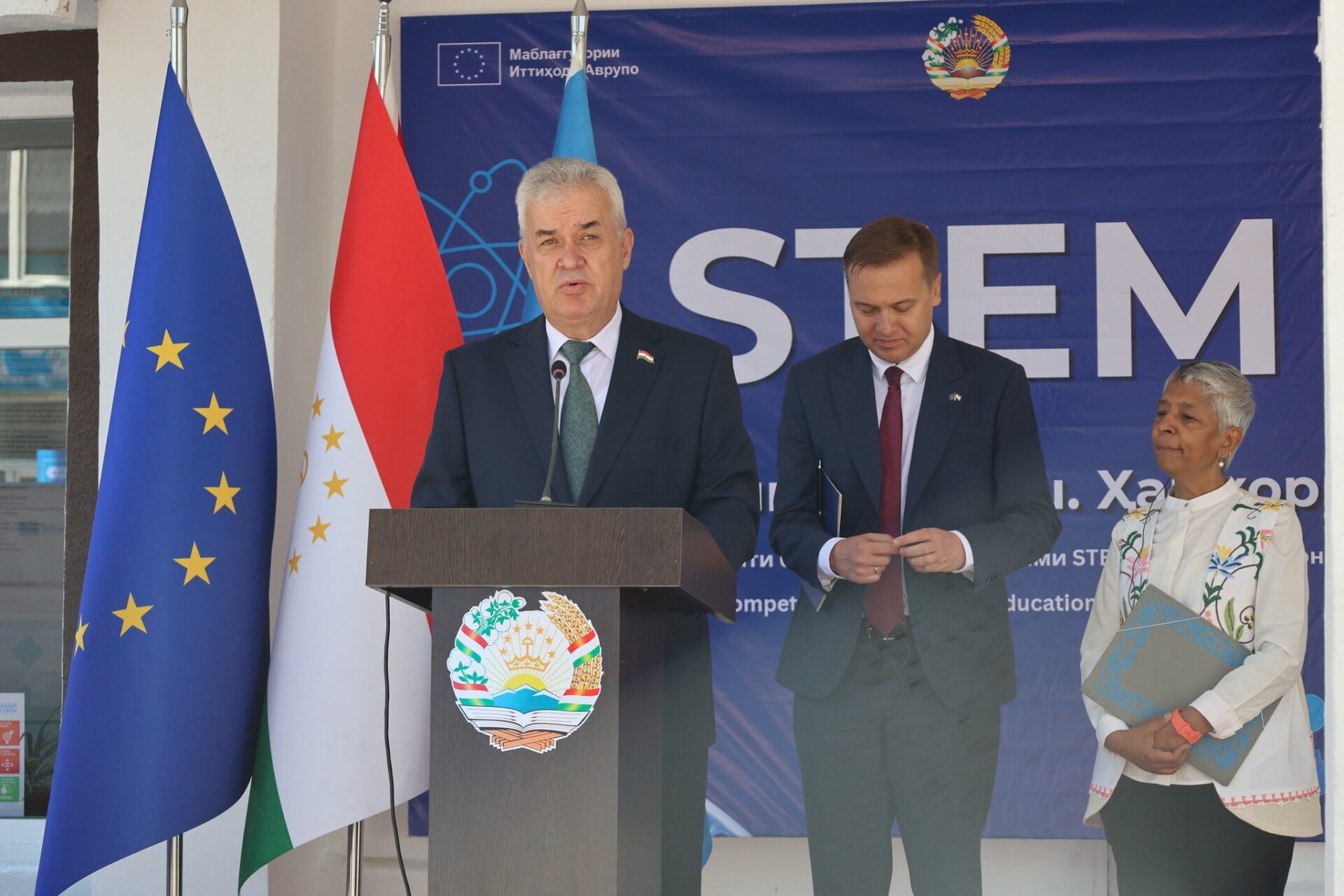
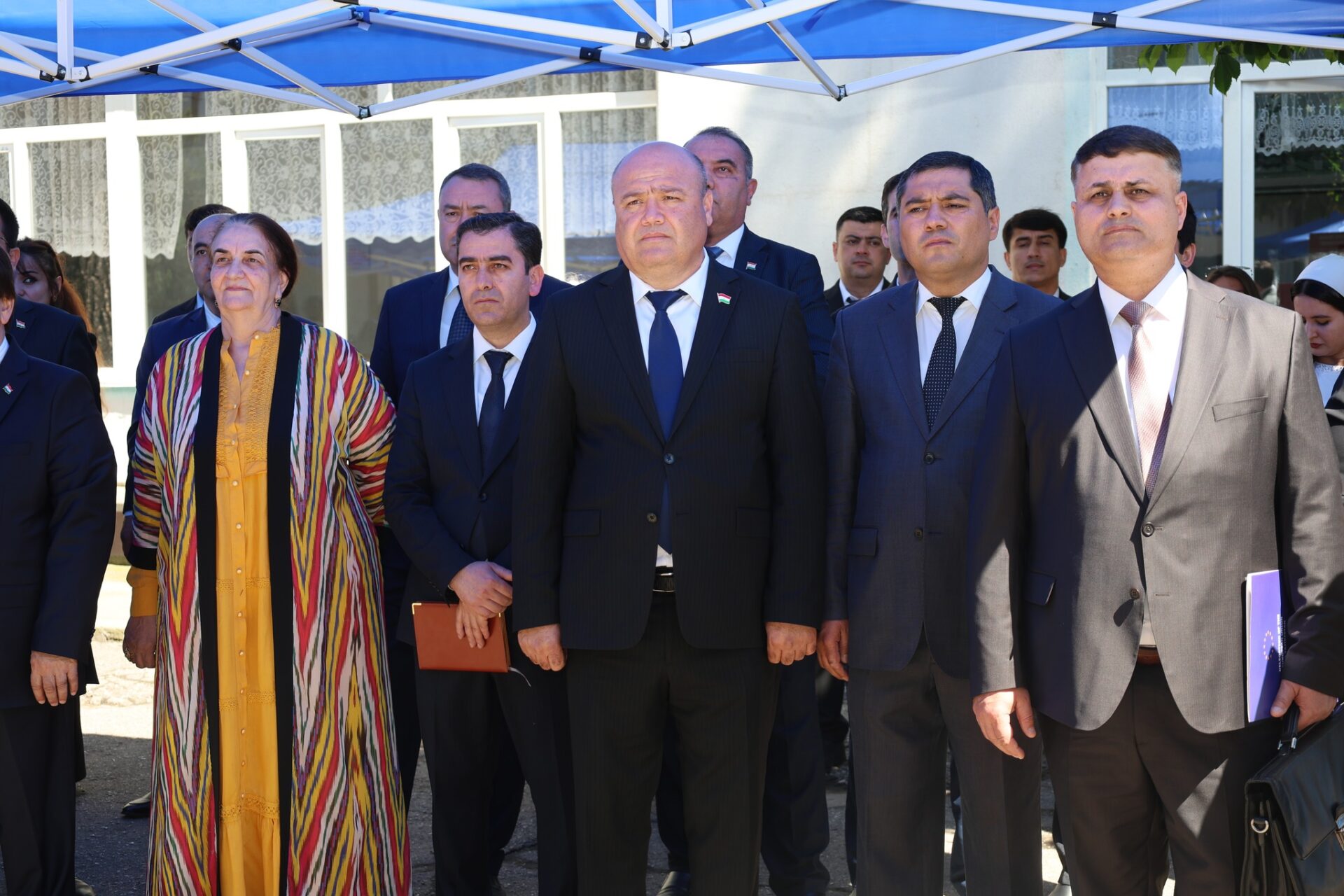
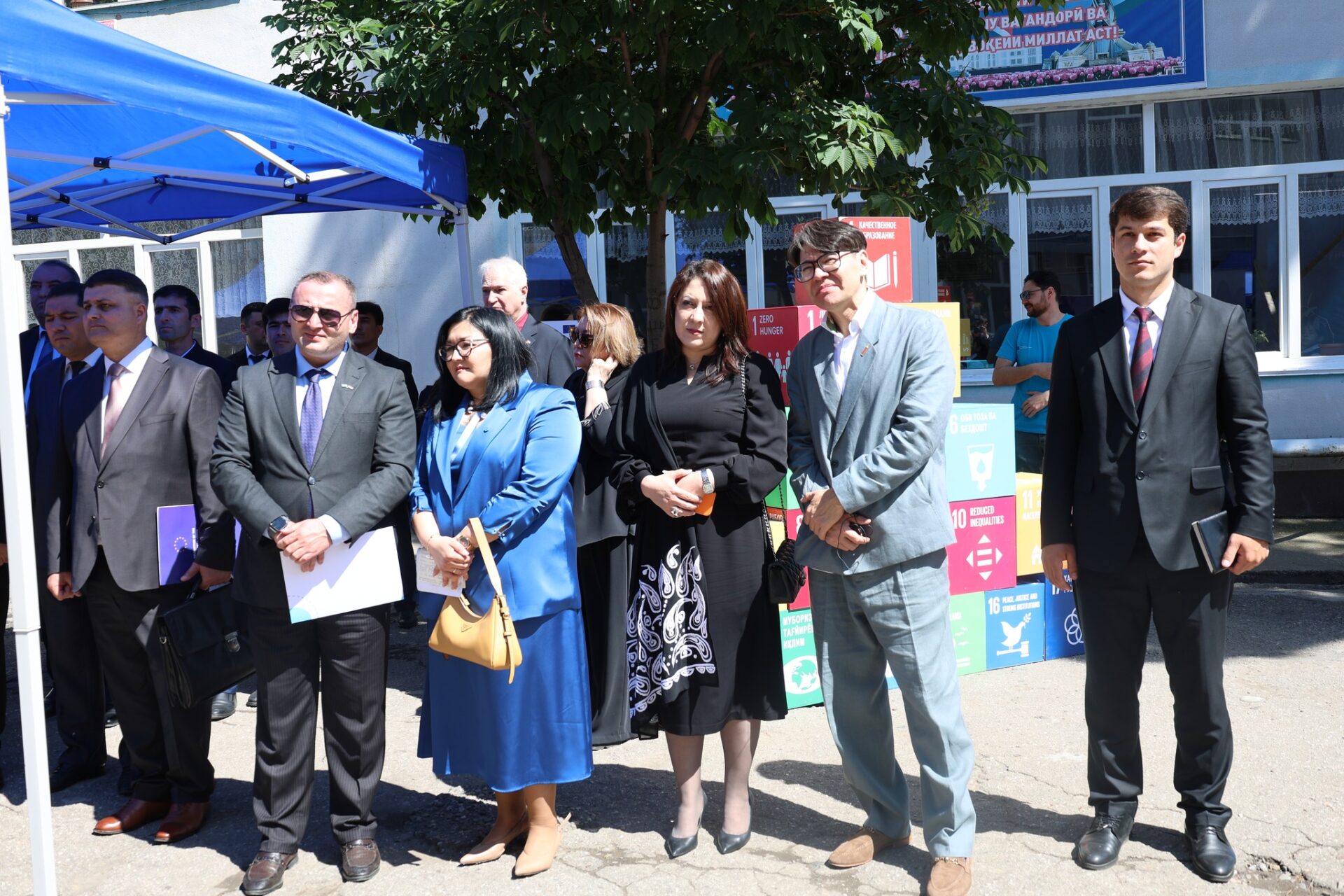
The ceremony was attended by the Minister of Education and Science of Tajikistan, Rahim Saidzoda, his deputy, the Ambassador of the European Union to Tajikistan, Radoslaw Darski, the UN Resident Coordinator in Tajikistan, Parvati Ramaswamy, representatives of UNESCO, development partners, heads of relevant institutions, teachers, and students.
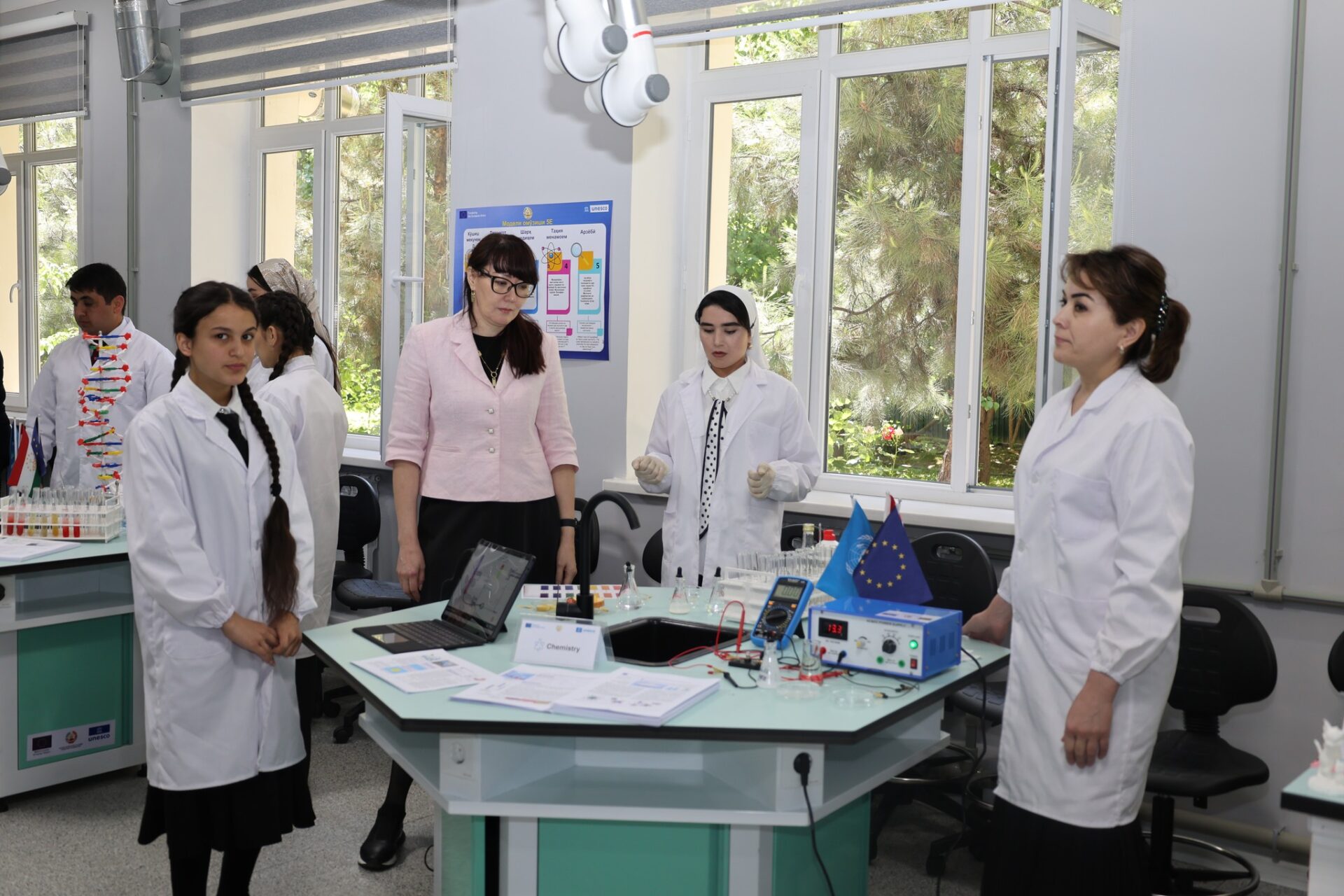
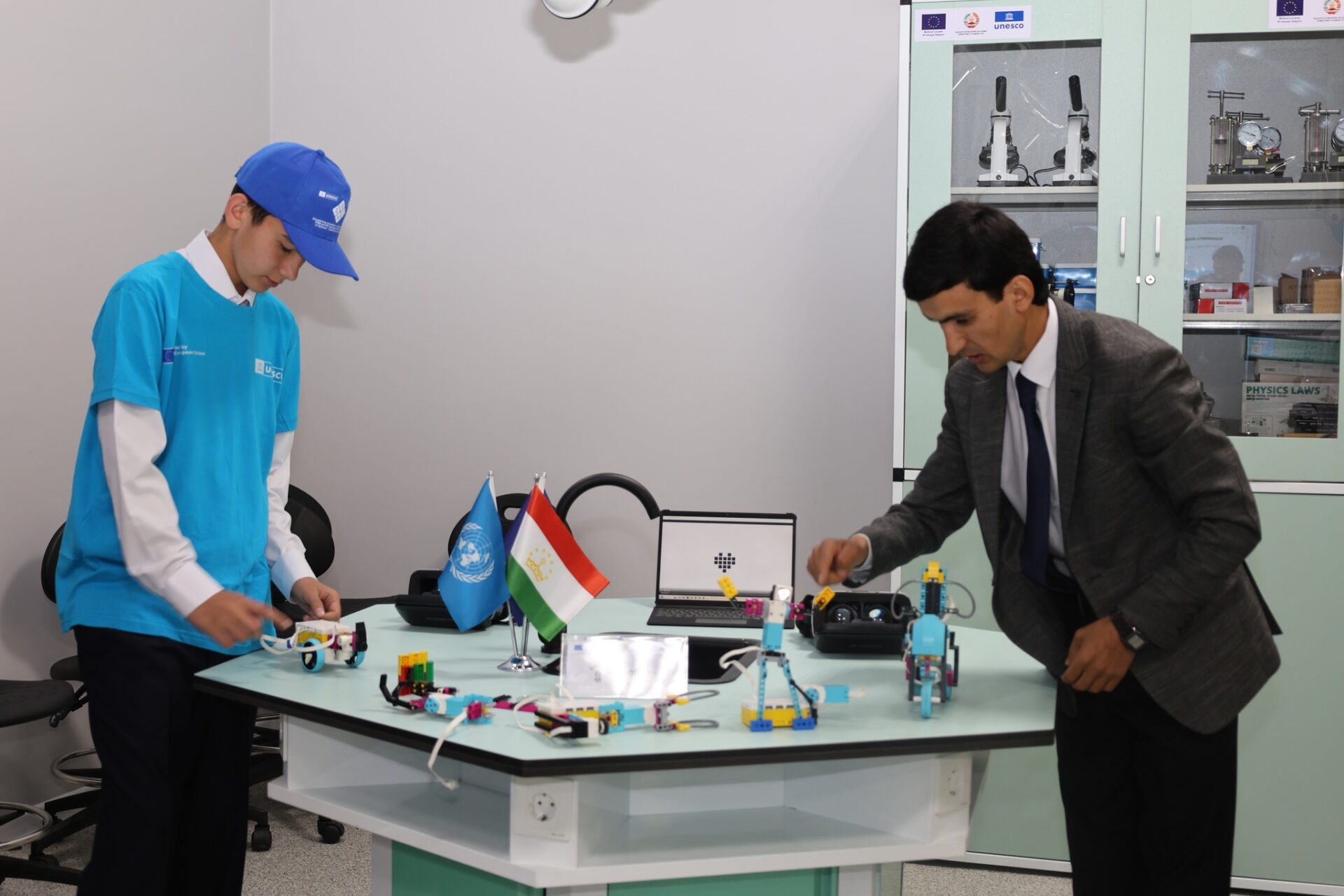
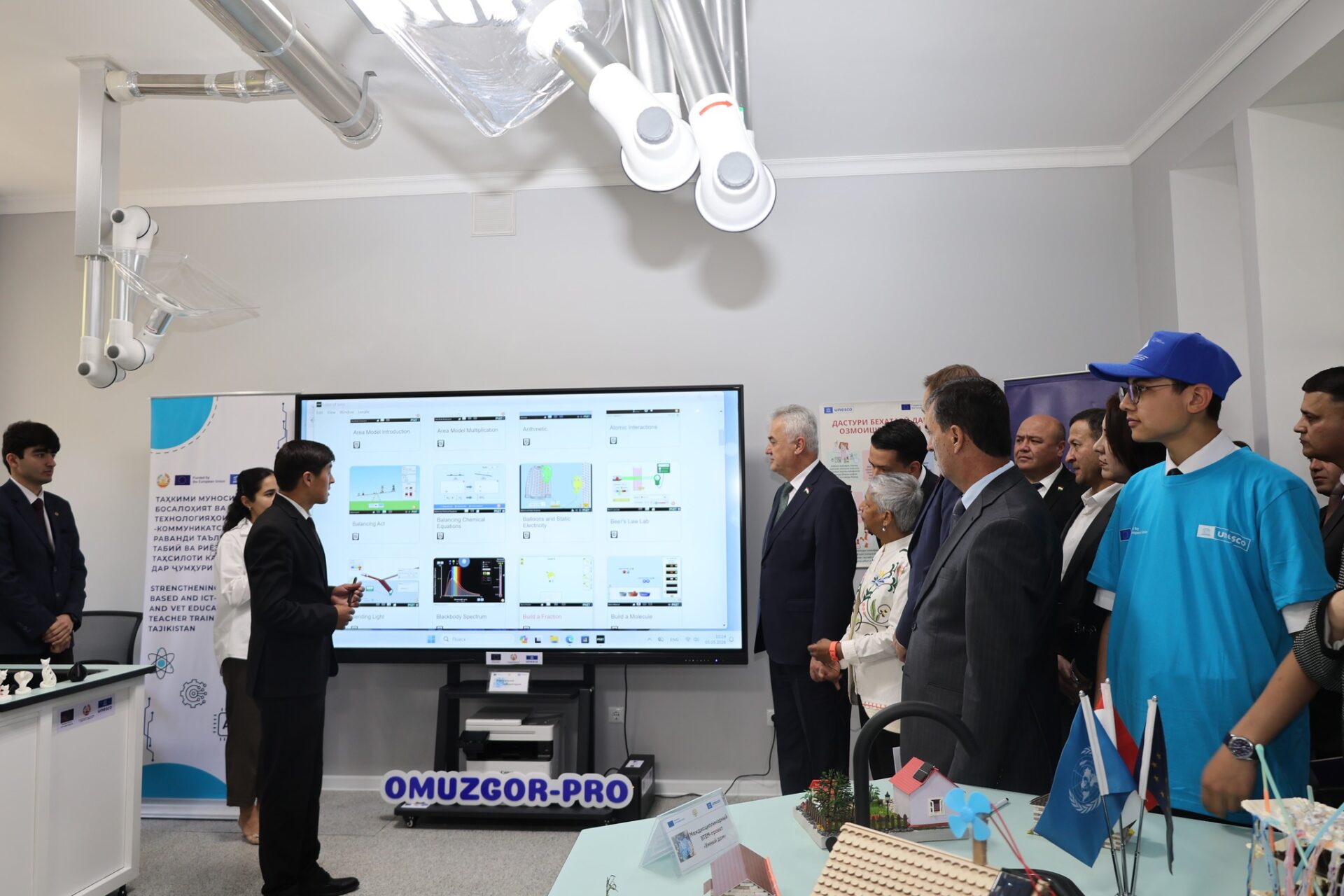
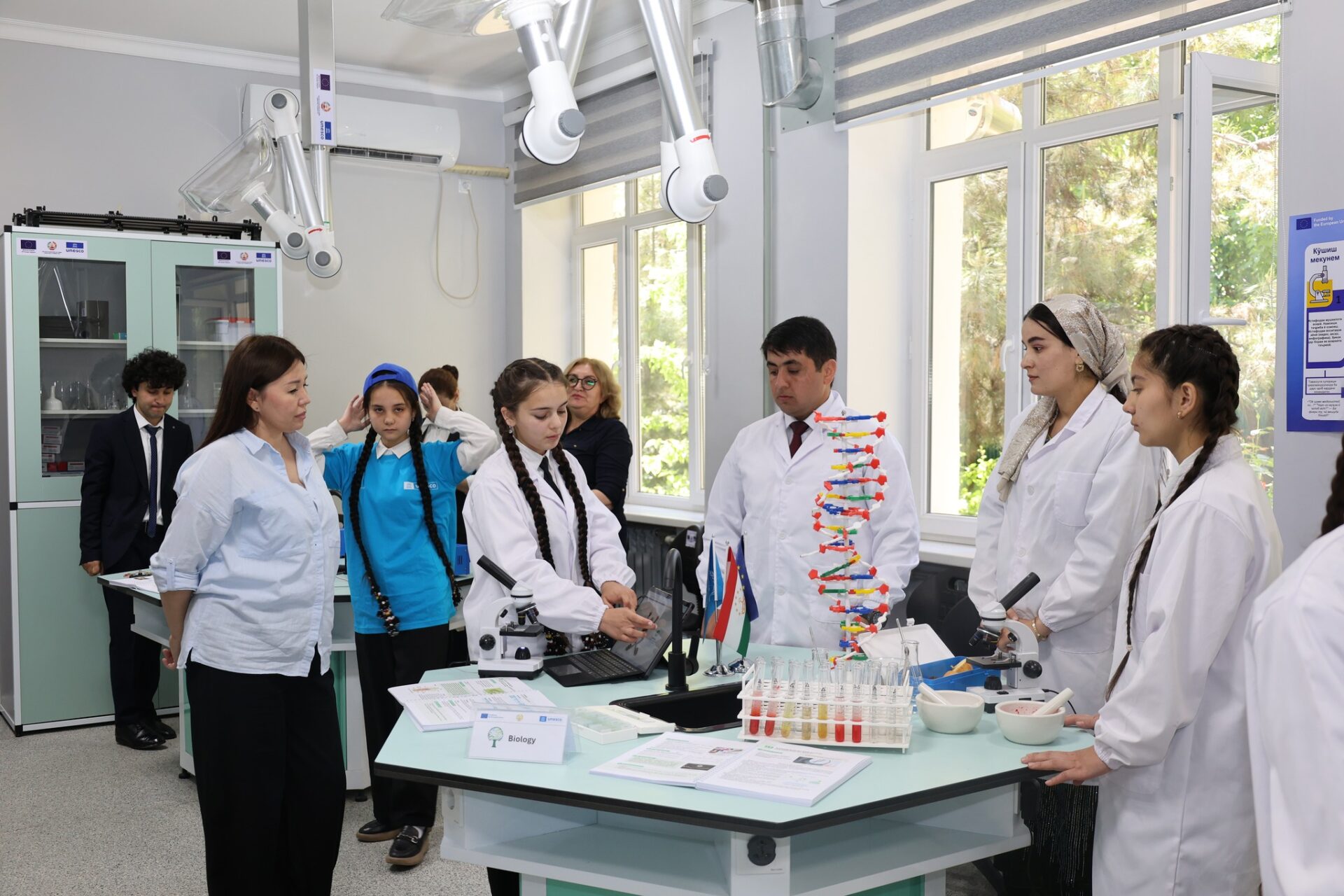
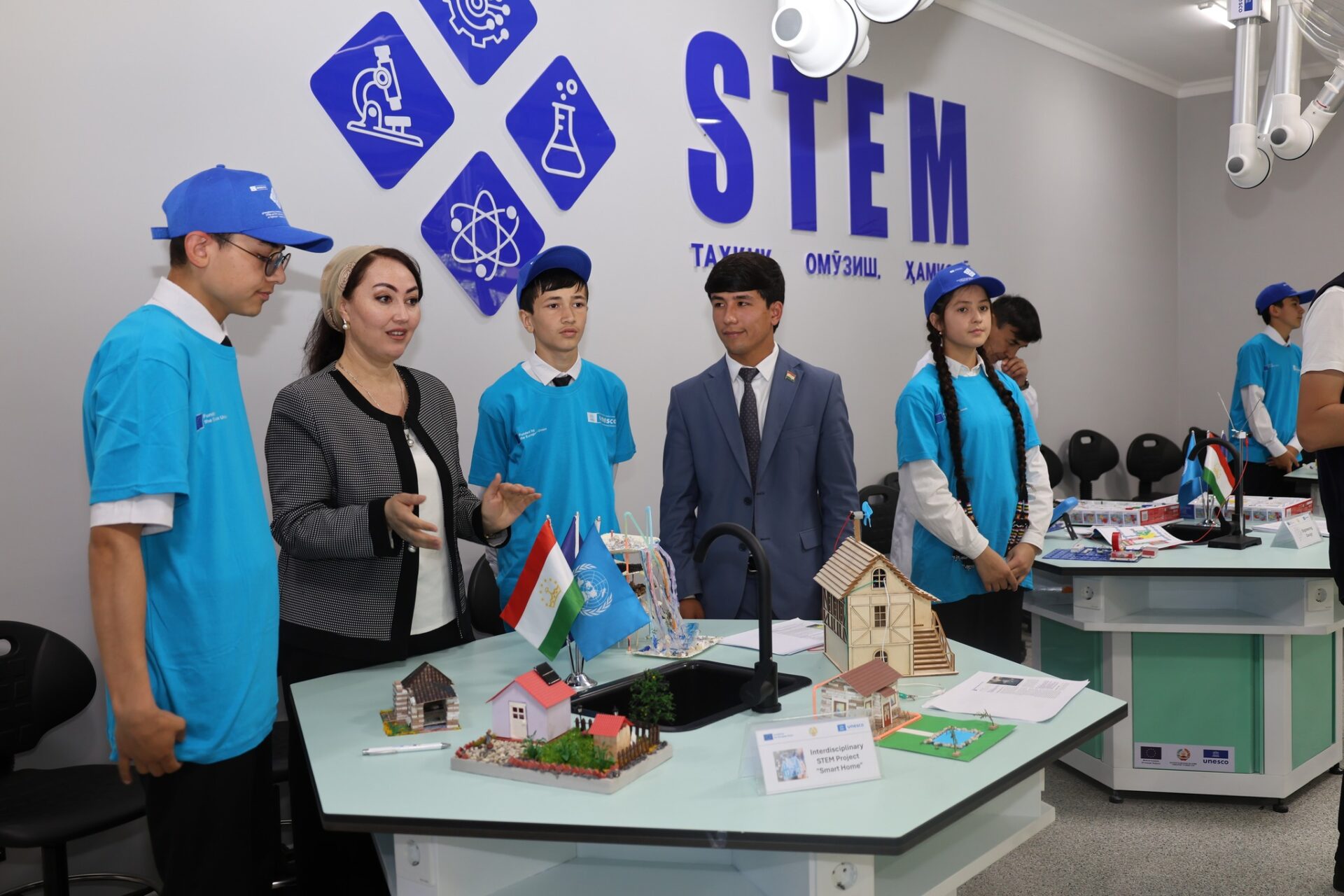
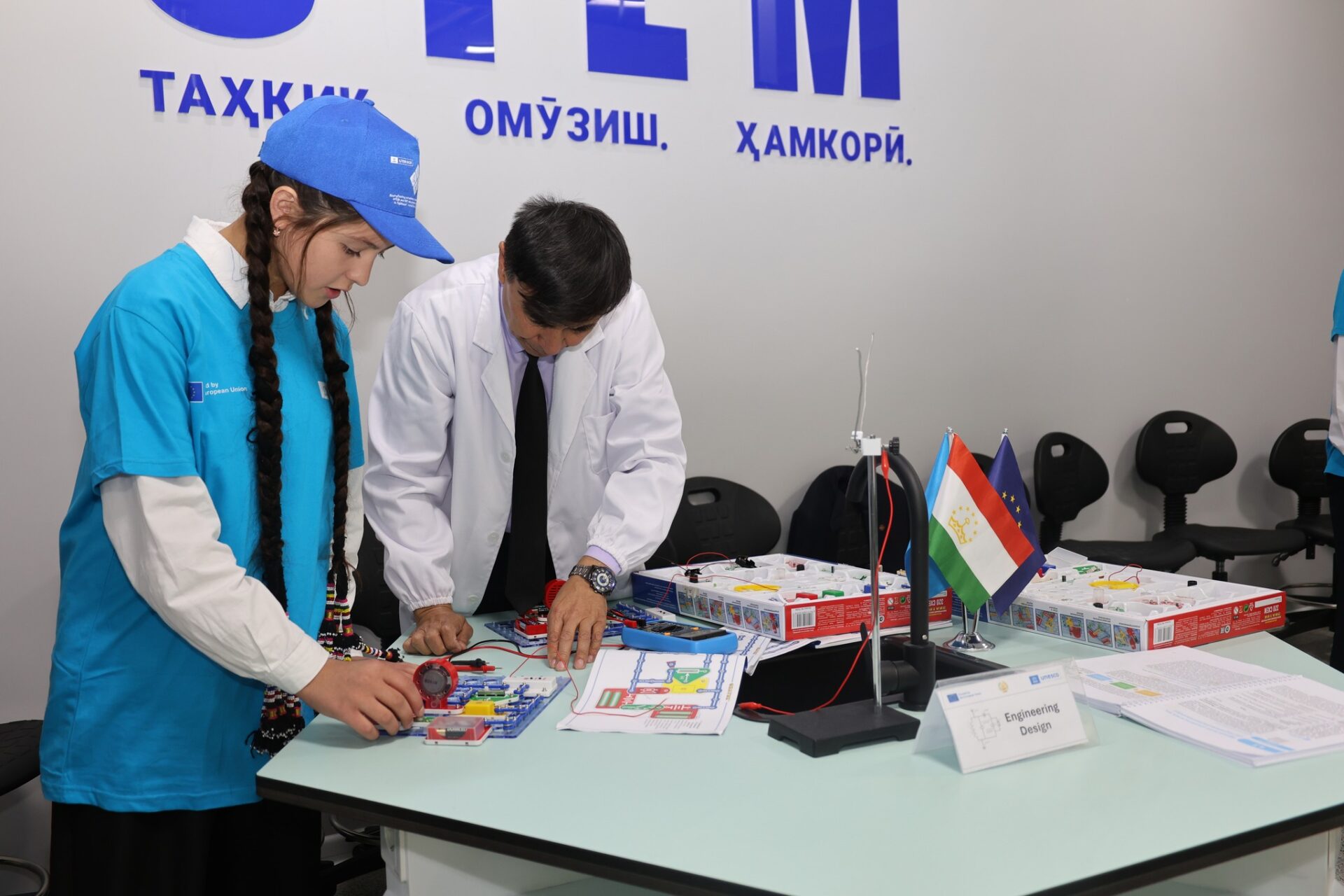
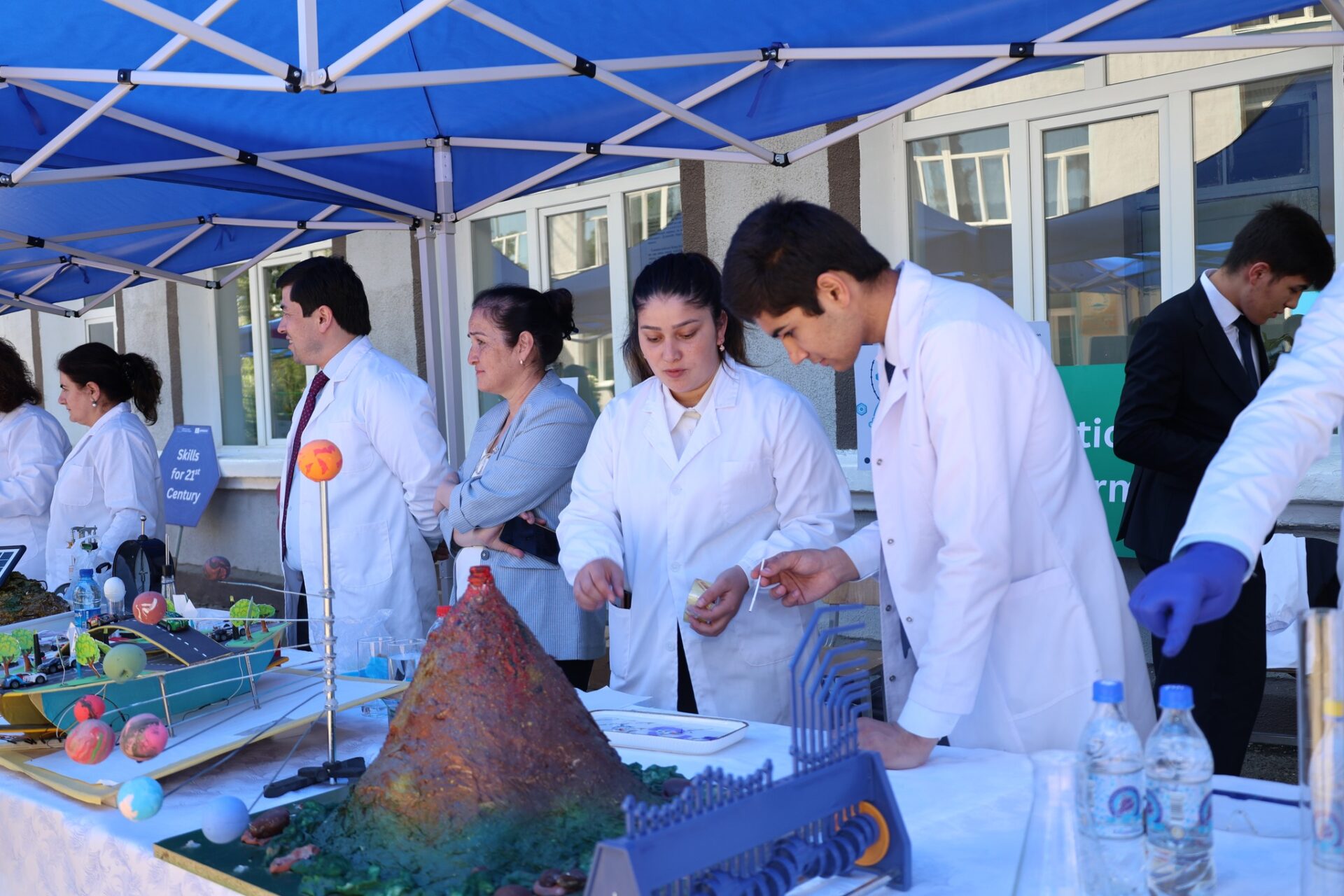
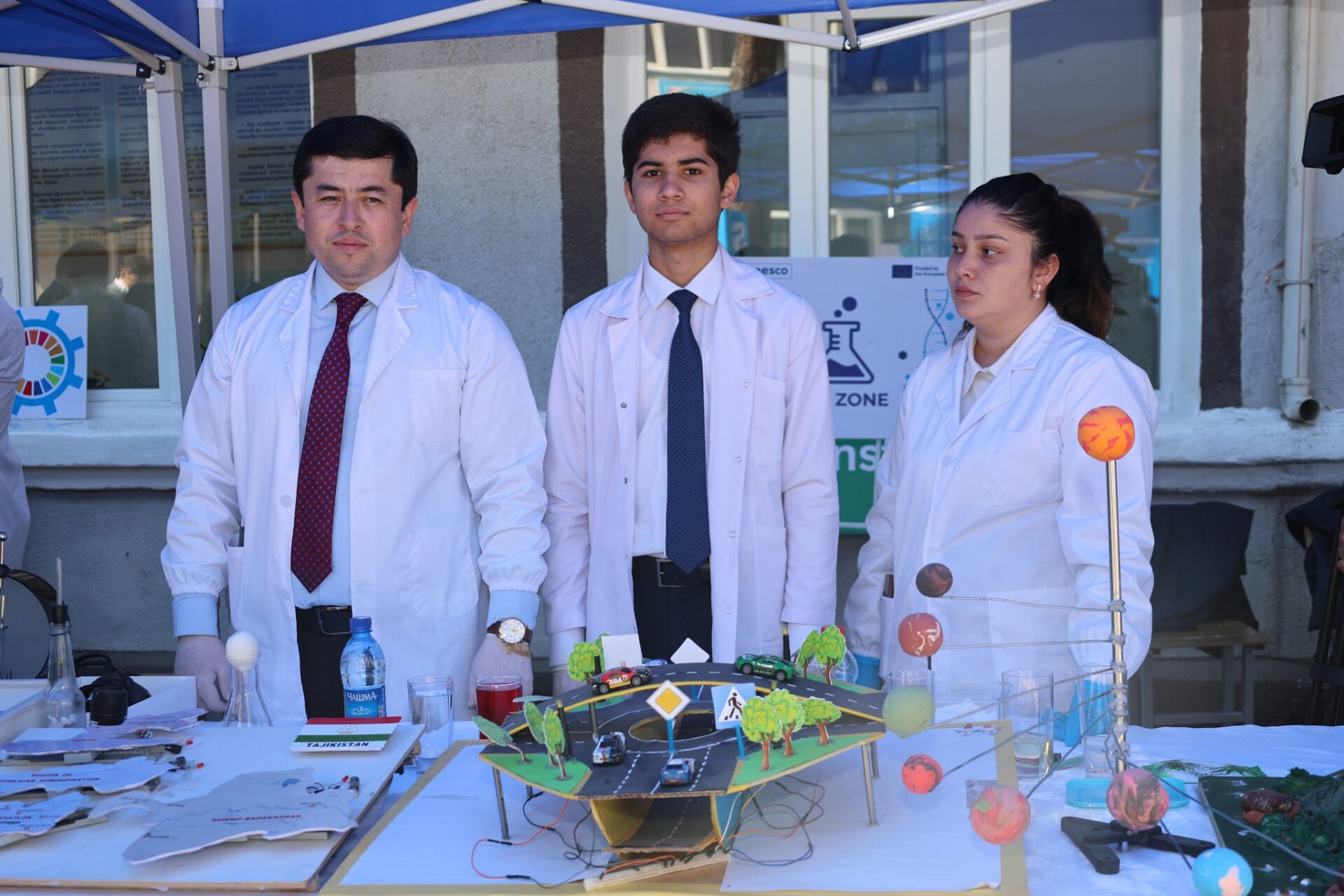
At the beginning of the event, participants were introduced to a science exhibition showcasing schoolchildren's achievements in chemistry, physics, and biology, as well as educational materials and professional development programs.
The Minister of Education noted that the creation of modern laboratories is the result of state policy and contributes to the expansion of international cooperation and the implementation of joint projects.
It is reported that, with the support of UNESCO and international experts, educational standards have been developed, teaching aids based on the 5E methodology have been prepared, and teacher training programs have been implemented. Specifically, ICT competency requirements for teachers, standards for chemistry, physics, and biology have been developed, and 14 teaching aids for grades 7–11 have been published.
As part of the project, 70 educational institutions were selected as pilot sites, and 385 teachers and administrators were trained.
It is noted that 32 schools across the country are already equipped with modern STEM labs. They include electronic boards, laptops, tablets, over 40 types of physics equipment, 77 types of chemistry and biology equipment, and specialized STEM systems. The average cost of one lab is approximately 509,450 somoni.
The Minister expressed gratitude to the European Union for its support of the project, emphasizing its importance for the training of competitive specialists and the country's sustainable development.
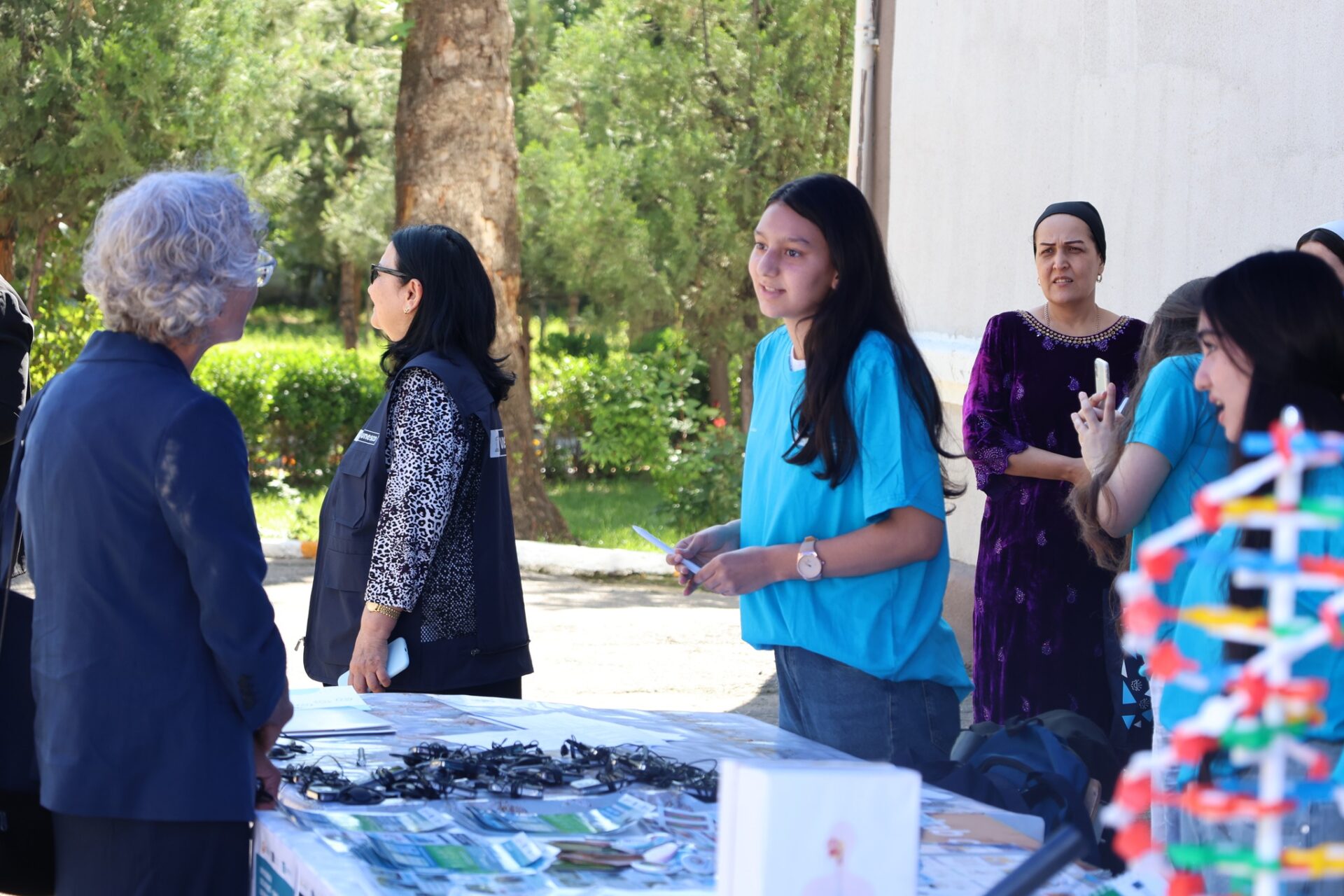
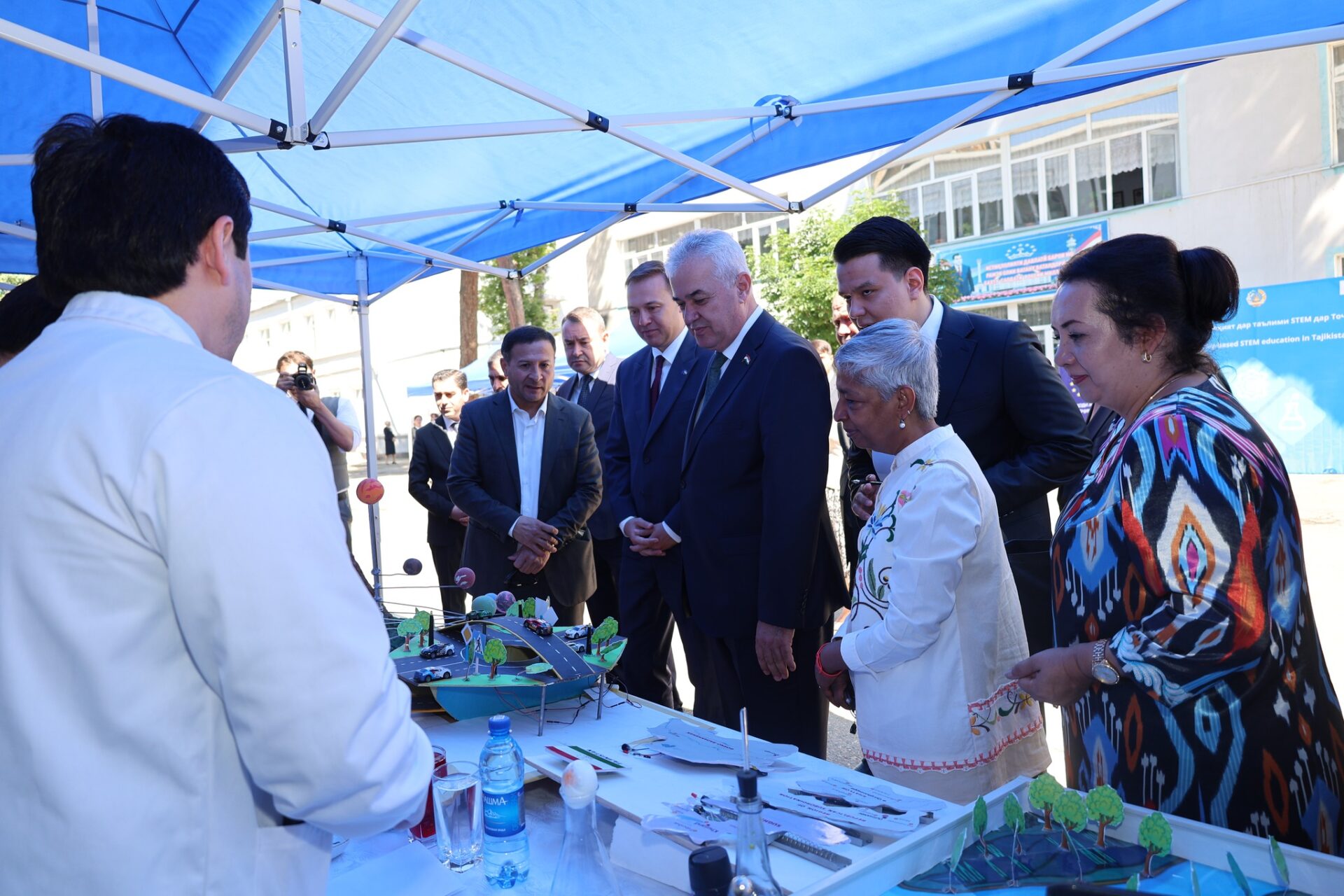
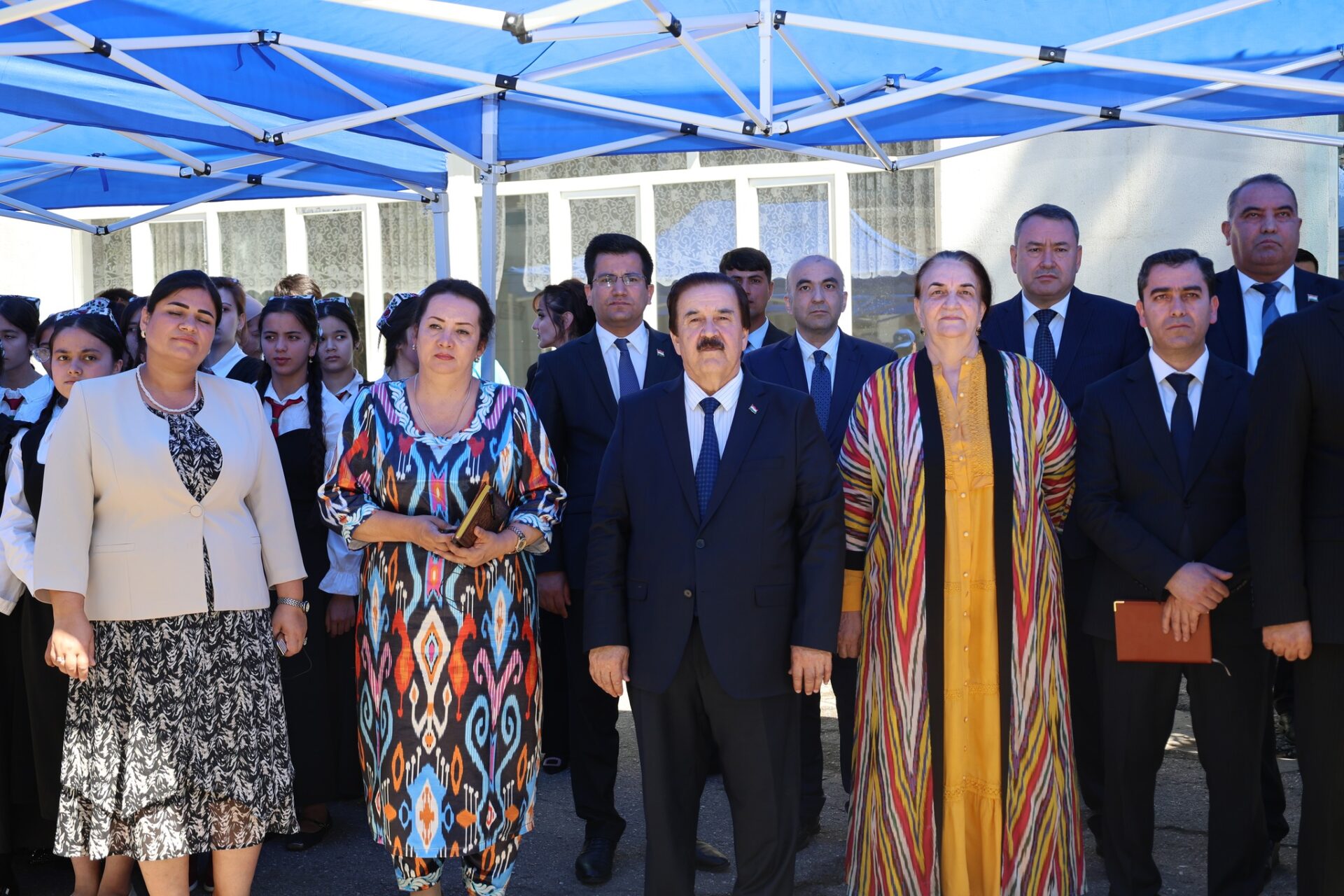
During the event, participants were introduced to the laboratory's capabilities. Students and teachers demonstrated chemistry experiments, physics experiments, biology lab work using microscopes, robotics and engineering projects, smart home technologies, 3D modeling, interactive whiteboards, and virtual lab experiments.
In addition, the digital platform "Omuzgor-Pro" was presented, designed to support teachers and their professional development.
It is reported that within the framework of the project, six laboratories of the branches of the Republican Institute for Advanced Training, seven centers for training vocational teachers, and 32 comprehensive schools were also equipped.
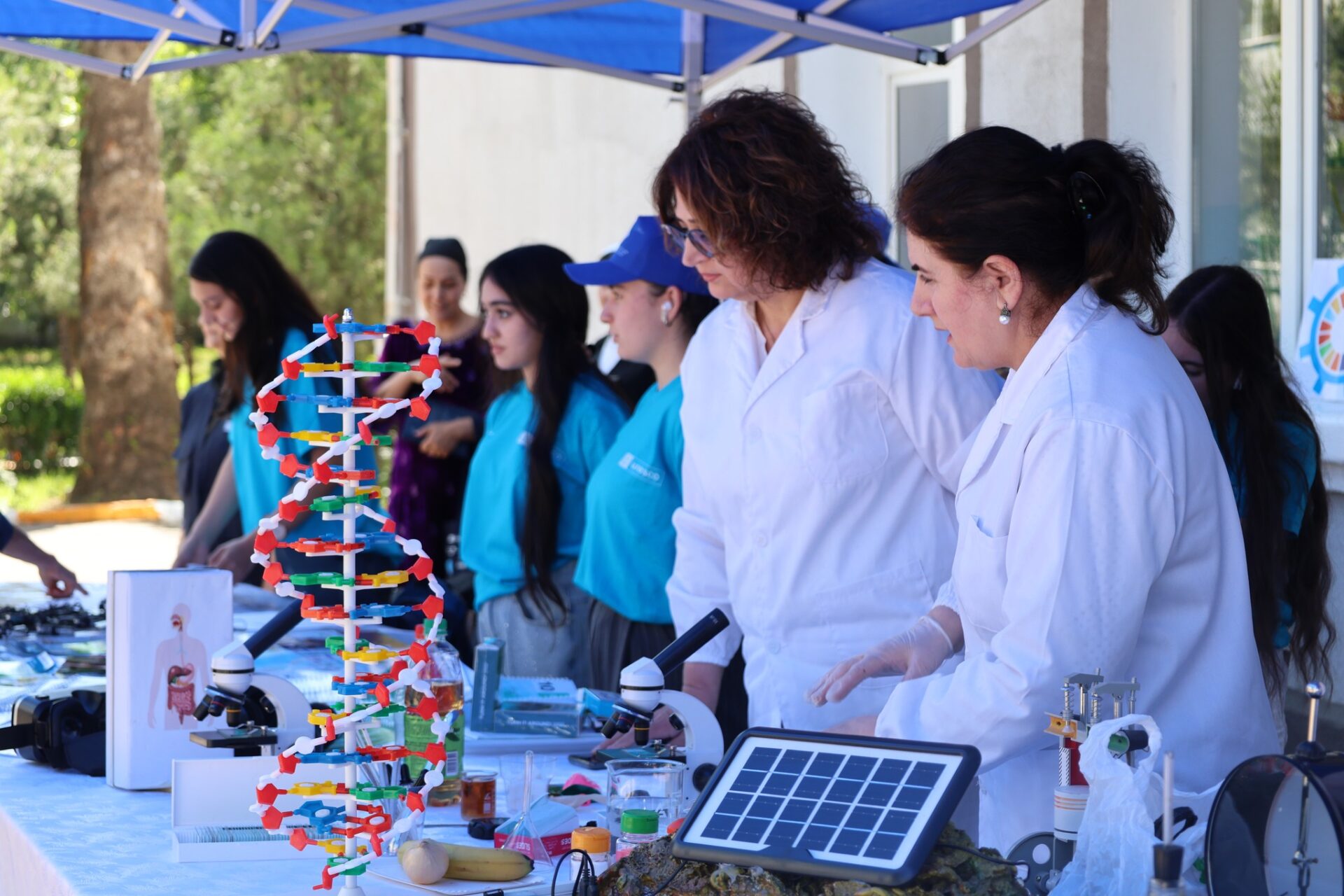
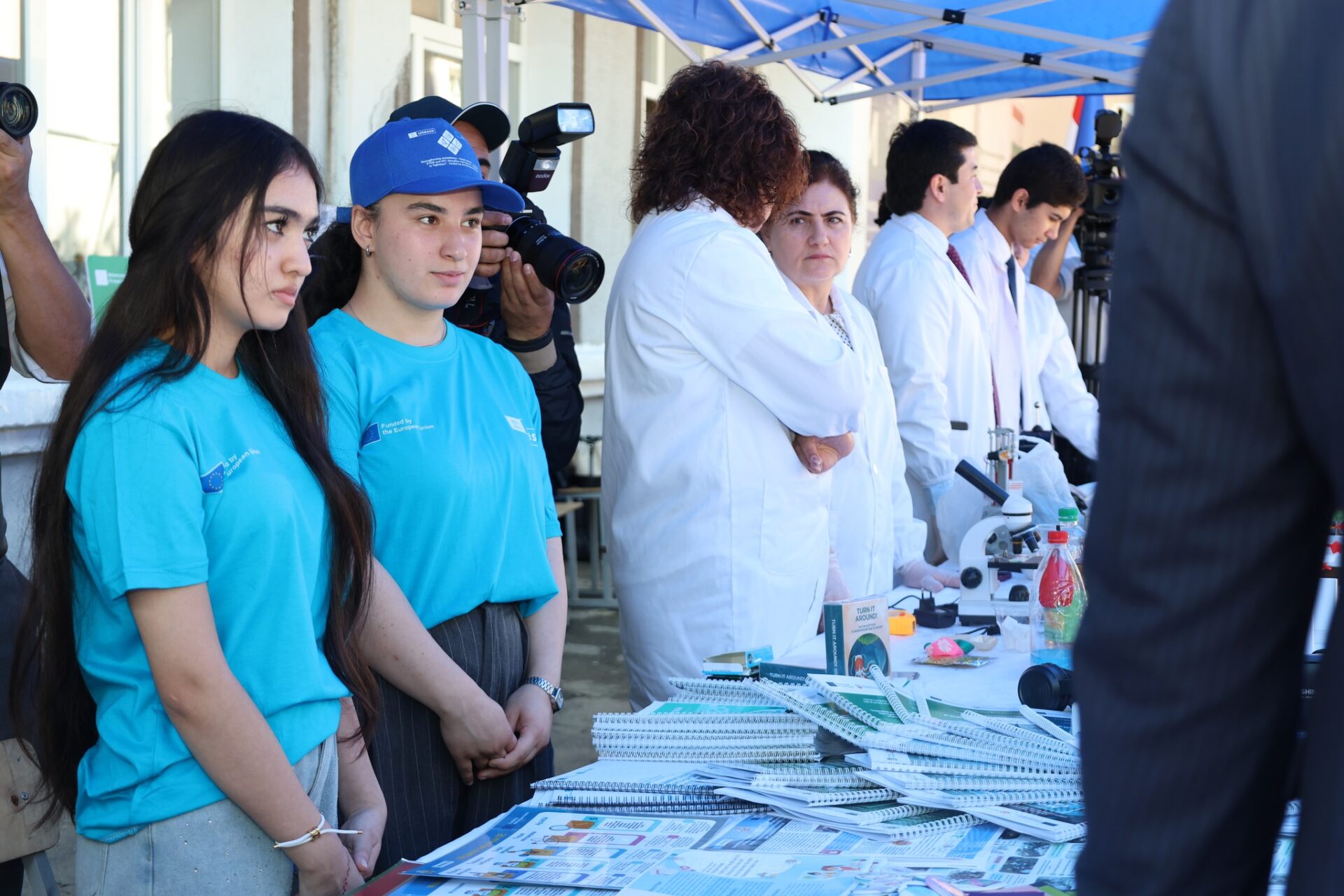
It is noted that the implementation of such initiatives contributes to improving the quality of education, developing the professional skills of teachers, and training specialists who meet modern requirements.
The project "Strengthening professional competencies and information and communication technologies in STEM education, vocational technical education and teacher training in Tajikistan" is funded by the European Union and implemented with the support of UNESCO.