Translated with AI




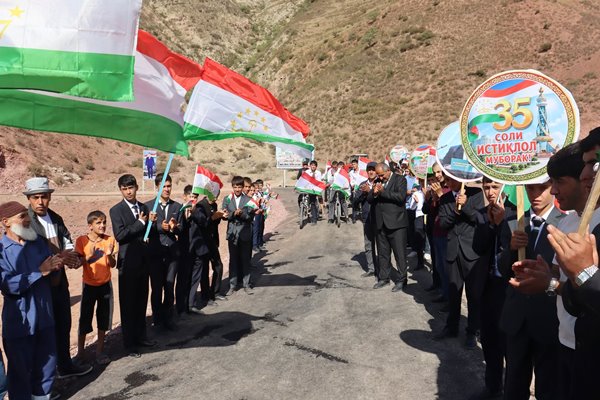



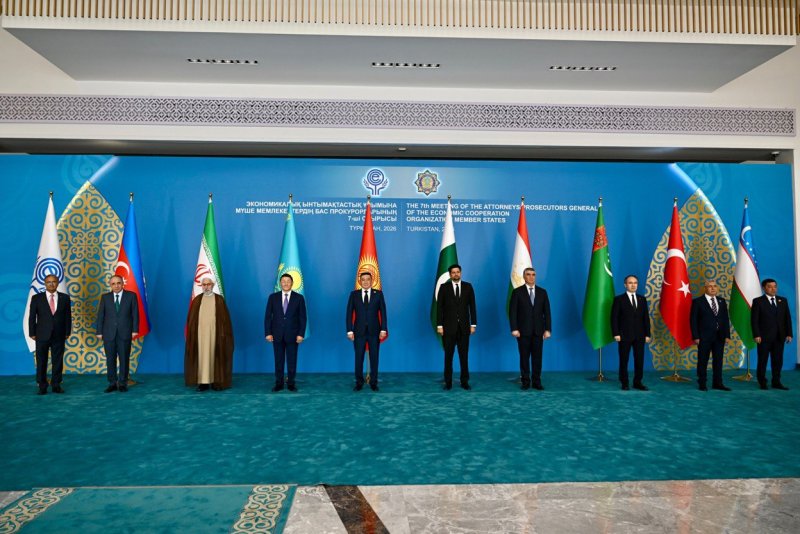


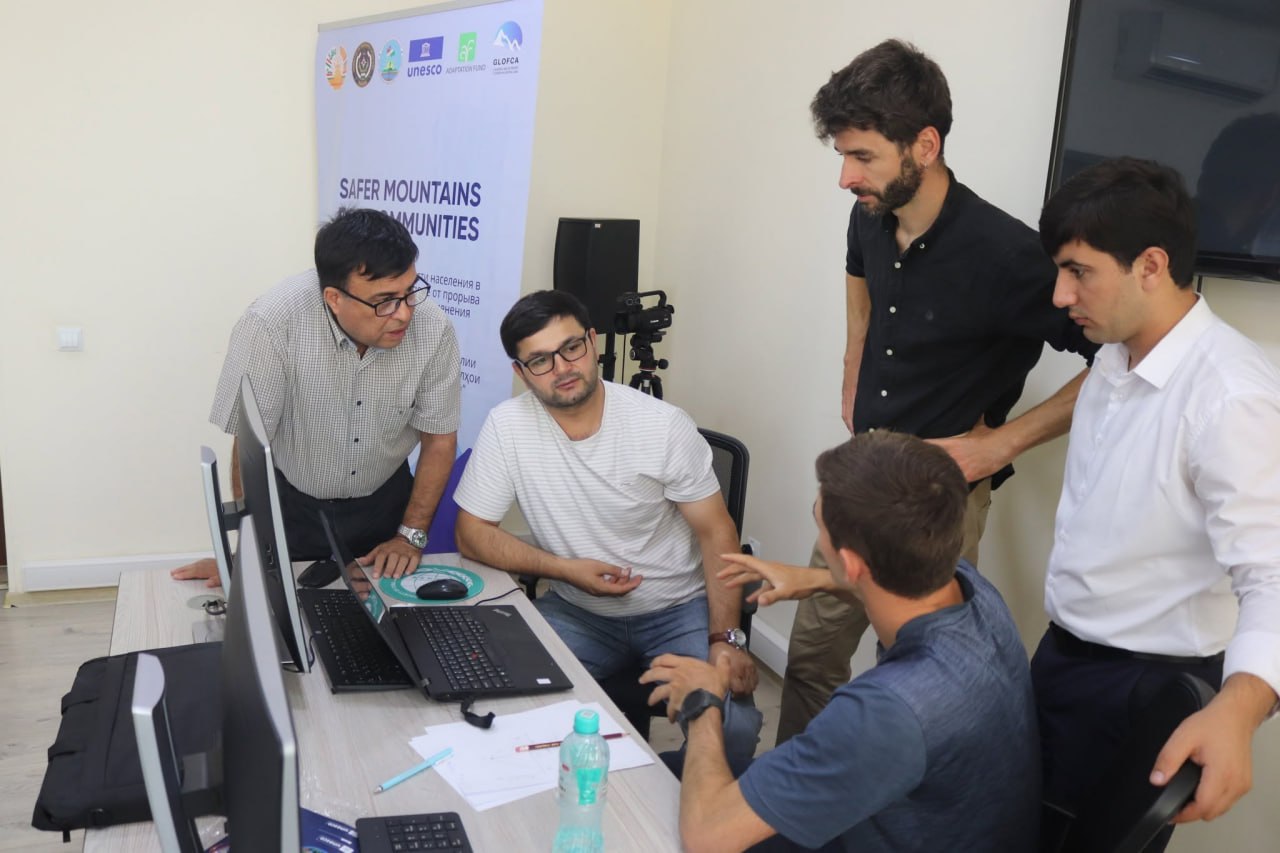




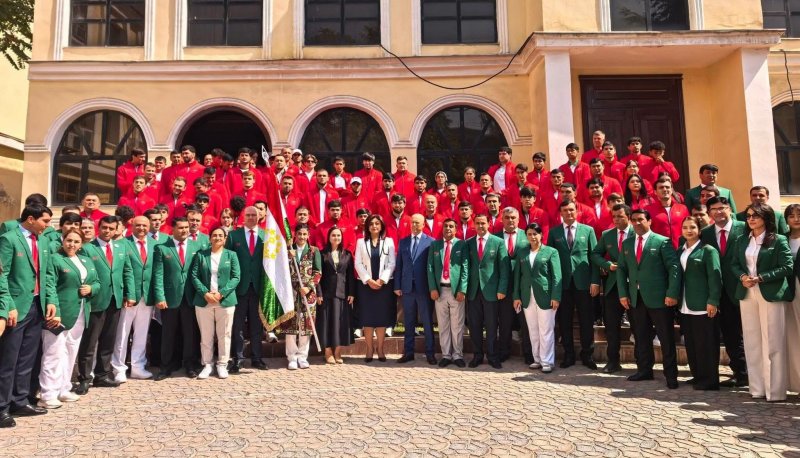



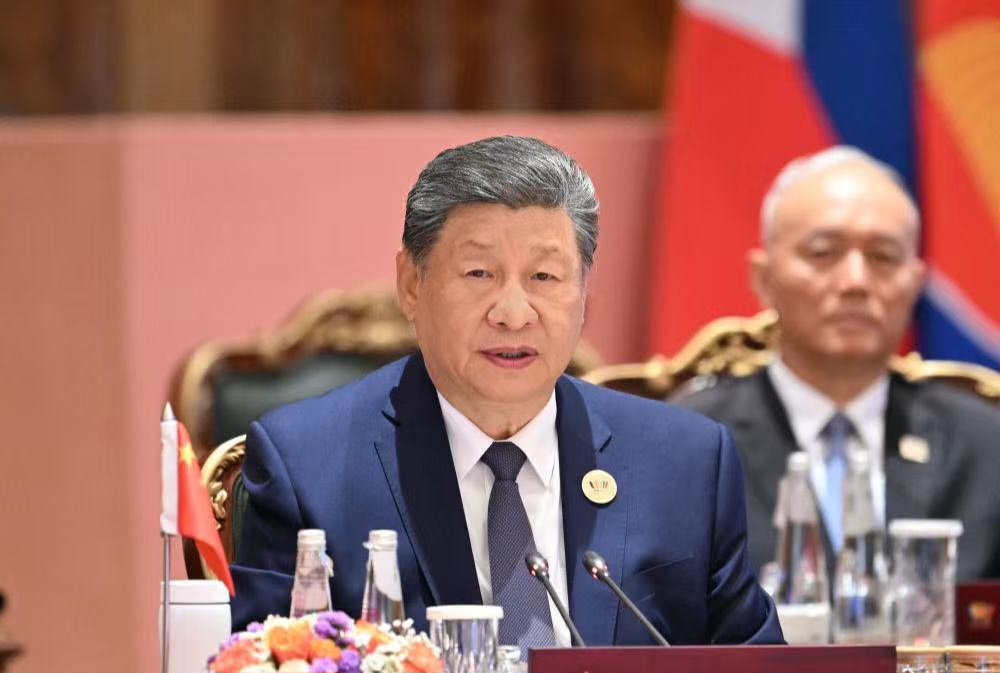
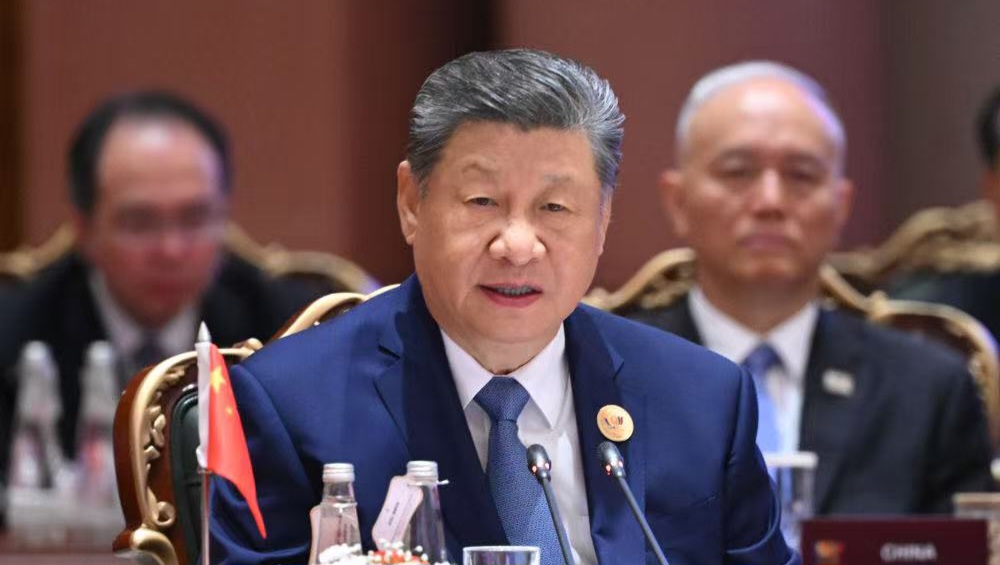






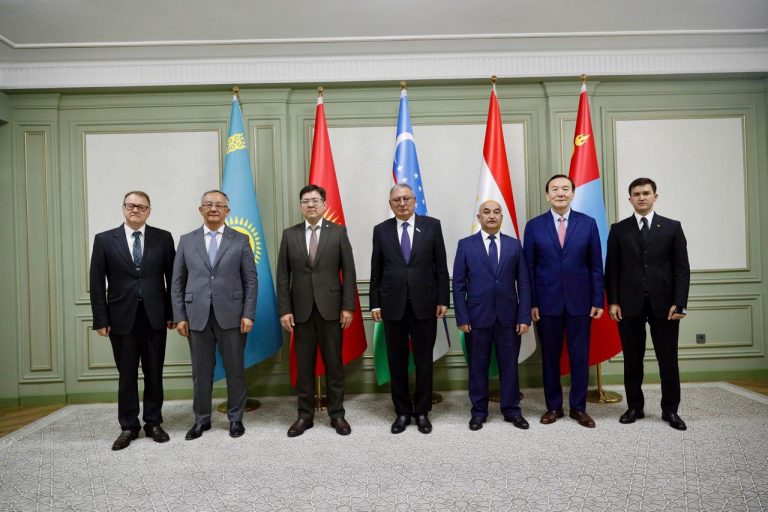
The meeting of the Council of Trade Unions of Central Asian Countries concluded in Tashkent with the establishment of an international confederation. The new structure aims to strengthen the protection of labor rights for workers in the region at the global level, according to the press service of the CIS Executive Committee.
Industry federations from five countries—Uzbekistan, Kazakhstan, Kyrgyzstan, Tajikistan, and Mongolia—joined the Confederation as full members. Turkmenistan retained observer status, continuing to participate in the regional dialogue without voting rights in statutory decisions.
The delegates approved the founding documents and established a governance system. It includes a General Council, consisting of 15 representatives of national centers, and an Executive Committee responsible for the operational coordination of activities.
The confederation's elected leader, Kudratilla Rafikov, stated that obtaining international status opens new opportunities for the organization. He stated that this will allow it to become a full participant in dialogue with global trade union associations, more effectively represent the interests of regional workers in international institutions, and expand cooperation and exchange of labor practices.
The origins of the structure date back to 2021, when, at the initiative of the Uzbek and Kazakh sides, the Trade Union Council was formed to coordinate social and labor policy. As participants note, the Council's transformation into a confederation reflects the level of trust achieved between national trade union centers and a willingness to work together in the context of a changing global economy.
Experts believe the creation of a supranational trade union platform addresses contemporary challenges. These include the growth of cross-border labor migration, the need to harmonize social standards, and the protection of workers' rights in the context of the digitalization of the economy. The confederation is expected to become a tool for developing unified approaches to ensuring decent work, preventing labor conflicts, and promoting social dialogue.
Priority areas of activity include monitoring compliance with labor rights in the region, developing joint educational programs for trade union activists, and collaborating with the International Labor Organization and other relevant institutions. Particular attention will be paid to helping workers adapt to changes in the labor market, including retraining and support during periods of economic instability.
The statutory documents provide for rotation of leadership positions and regular consultations on pressing socio-economic issues. The executive bodies will be headquartered in Tashkent, consistent with the established practice of locating coordinating structures initiated by Uzbekistan.
Analysts note that strengthening the trade union dimension of regional integration creates an additional channel for dialogue between Central Asian countries, complementing existing economic and political interactions. At the same time, maintaining observer status for Turkmenistan allows for consideration of the national specifics of labor relations regulation in the region.
The next meeting of the Confederation's General Council is scheduled for the end of this year. Its agenda includes approving a medium-term action plan and defining funding mechanisms for joint projects.