Translated with AI
































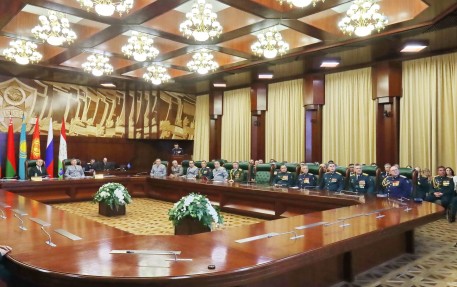
April 28 marked the Day of the Joint Staff of the Collective Security Treaty Organization. The decision to establish it was made on April 28, 2003, in Dushanbe by the Collective Security Council, based on the need to form a military staff body responsible for implementing the Treaty's military component. This was reported by the Organization's press service.
Currently, the Joint Staff, headed by Colonel General Andrei Serdyukov, is tasked with coalition military development, joint operational and combat training of components of the CSTO Troops (Collective Forces), development of military-technical cooperation, coordination of training of personnel and specialists for the armed forces of member states, and ensuring the functioning of the CSTO Crisis Response Center.
Congratulating the multinational team, the Chief of the Joint Staff noted that active work is underway in 2026, jointly with defense ministries, to implement the action plan adopted following the November 2025 session of the Collective Security Council, as well as to advance the CSTO's priority areas of activity during Russia's chairmanship. Primary efforts are focused on developing the organization's military component and ensuring the readiness of the Collective Forces to fulfill assigned tasks.
As part of coalition military development, the Joint Staff, together with relevant ministries and agencies of member states, is paying special attention to the development of all components of the CSTO Troops (Collective Forces). Under its coordinating role, the development of the Collective Rapid Reaction Forces, the Collective Rapid Deployment Forces of the Central Asian Region, the CSTO Peacekeeping Forces, the Collective Aviation Forces, as well as joint formations for radiation, chemical, and biological defense and medical support, continues.
Over more than two decades, with the direct participation of Joint Staff officers, the legal framework governing the organization's activities has been established and continues to be refined. To date, 64 international treaties have been concluded on key issues of interstate cooperation in the area of collective security, and approximately 2,000 documents have been signed at the level of heads of state, secretaries of security councils, and heads of defense and foreign ministries of member countries.
In the context of growing modern challenges and threats to collective security, the Joint Staff, as a vital element of the CSTO system, continues to work to ensure the organization's readiness to effectively respond to potential crises, develop the Troops (Collective Forces), and promote the sovereignty and territorial integrity of member states.