Translated with AI
























In recent years, Tajikistan has been actively implementing modern diagnostic and treatment methods, allowing citizens to receive medical care within the country without having to travel abroad. This was reported by the Ministry of Health and Social Protection of the Republic of Tajikistan.
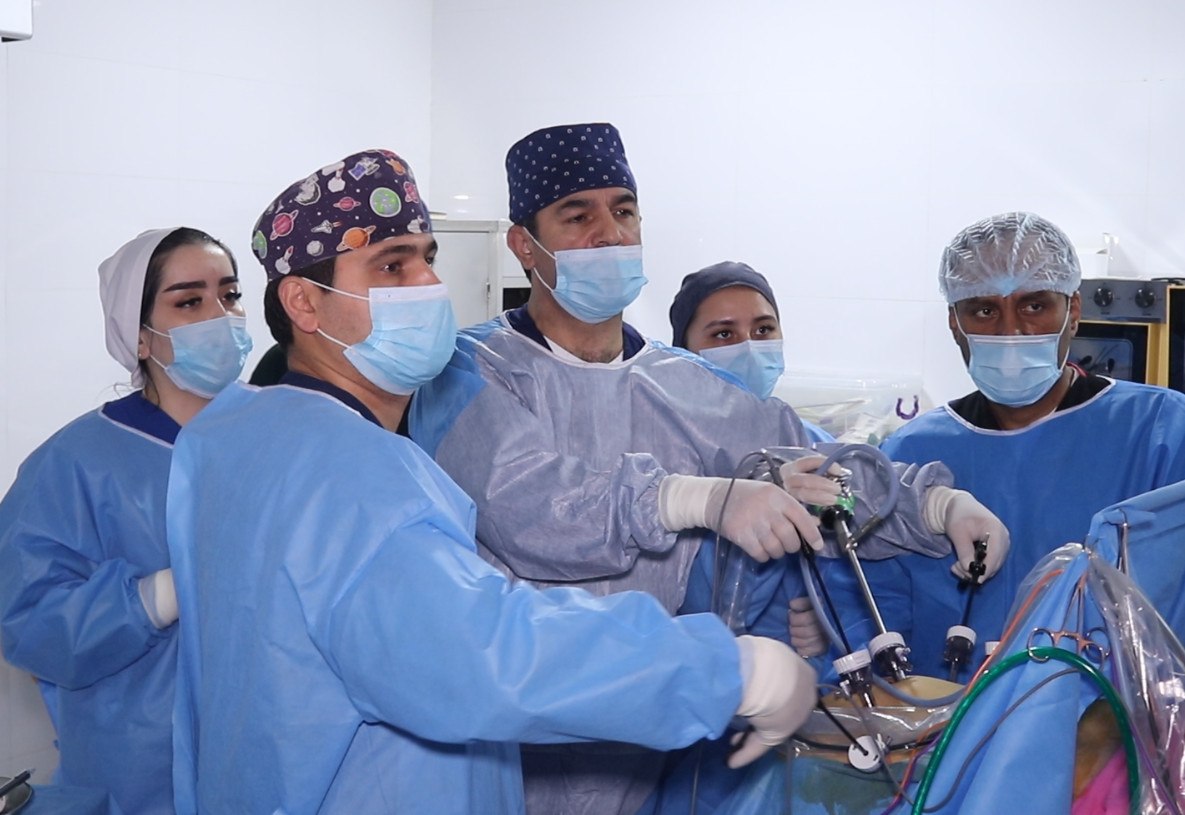
In the more than three years since the full implementation of bariatric surgeries for patients with obesity and its complications at the State Institution "Republican Scientific Center for Cardiovascular Surgery," such surgical interventions have been performed on more than 400 overweight patients.
According to Behruz Hakimzoda, head of the center's bariatric and herniological surgery department, over 100 patients suffered from morbid obesity (weight over 150 kilograms), and another 50 had type 2 diabetes. They underwent gastric bypass and sleeve gastrectomy. As a result, the patients weighing over 150 kilograms were able to lose 105 kilograms and also overcome their type 2 diabetes, significantly improving their condition.
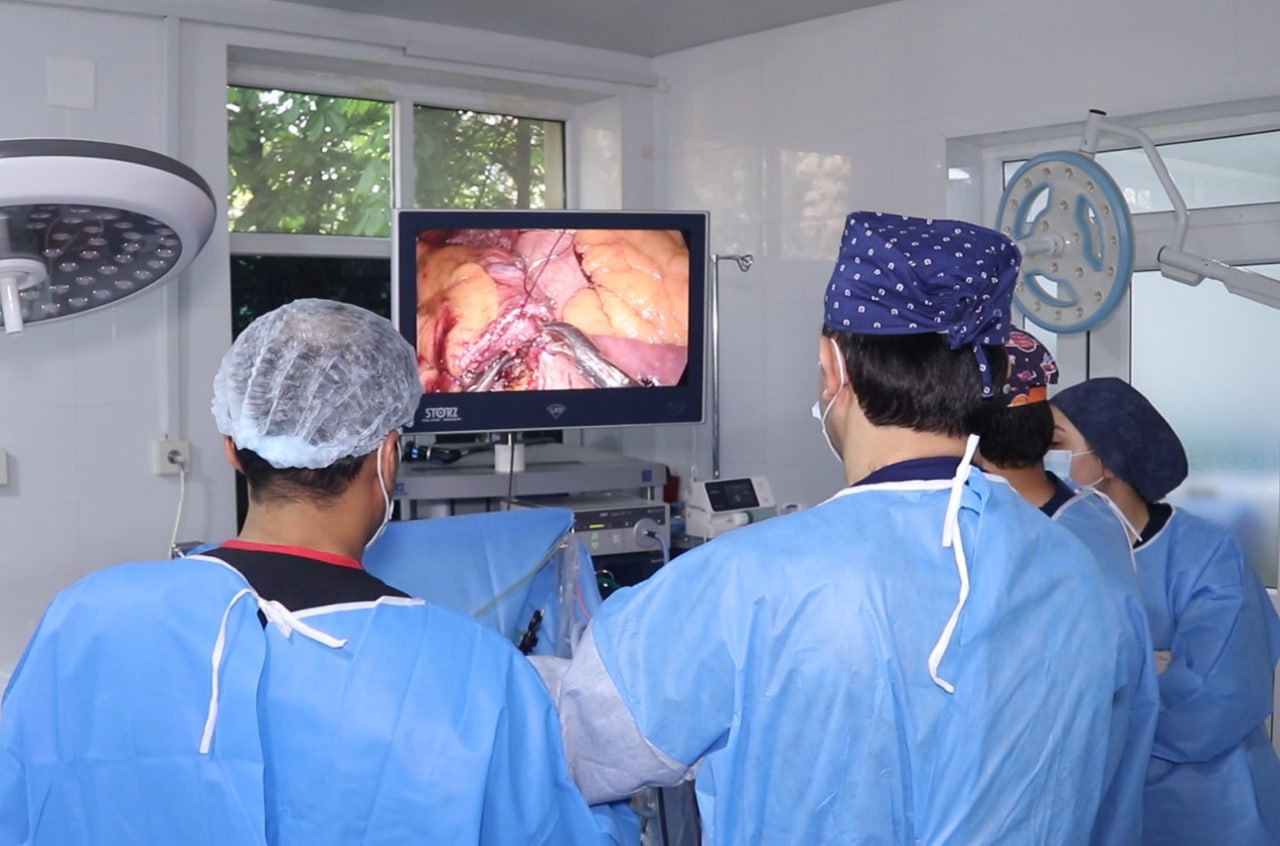
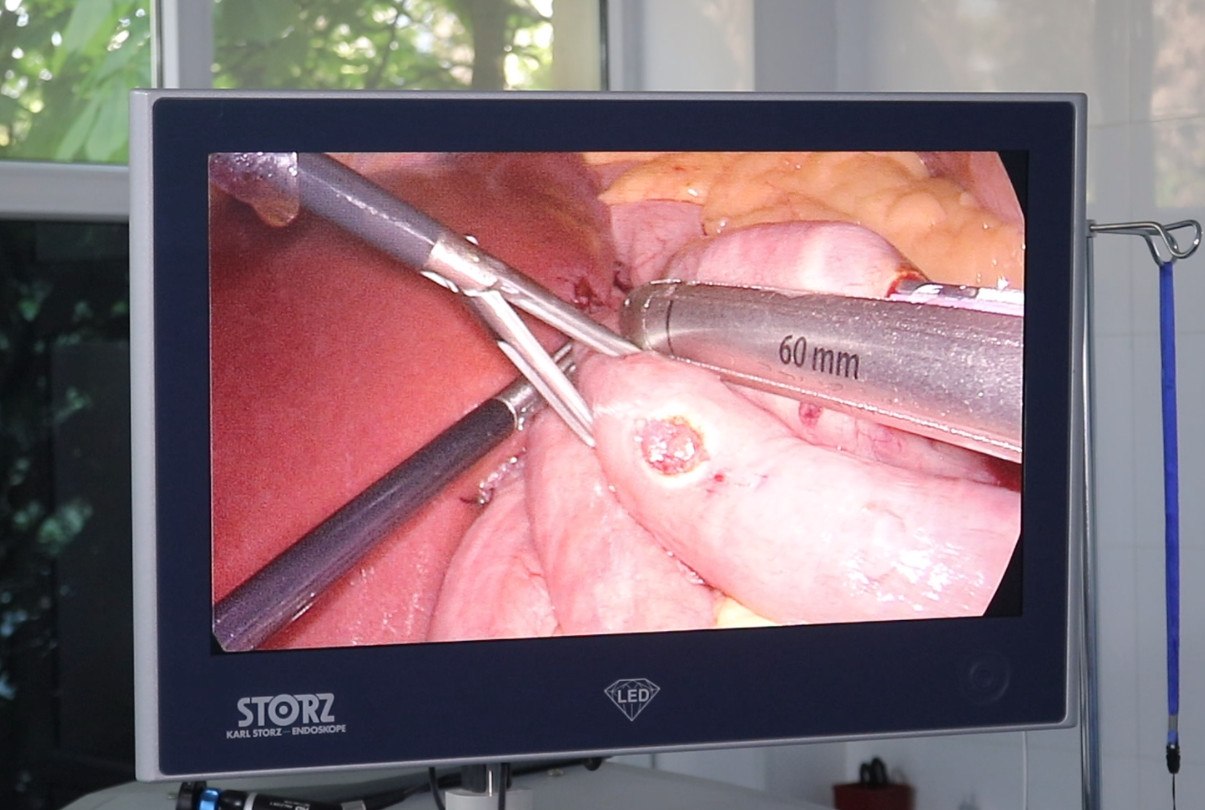
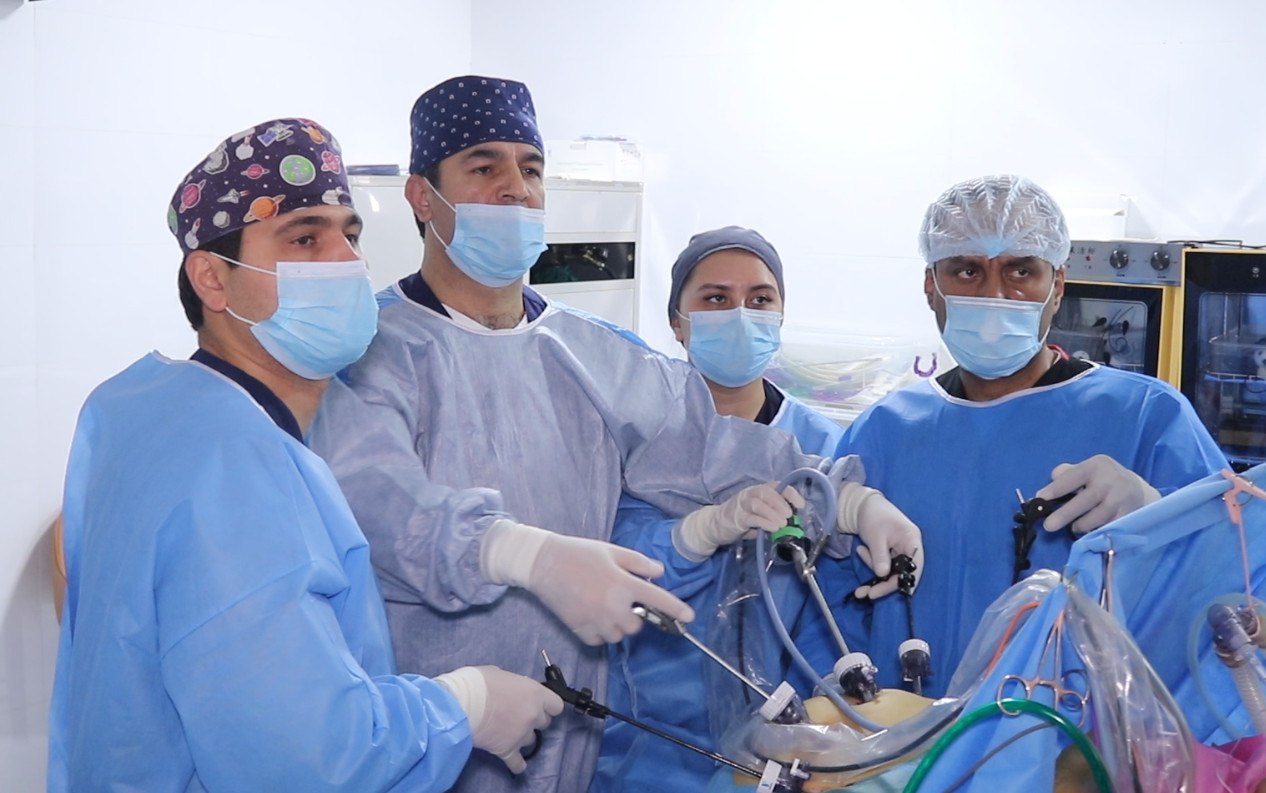
In one of the most recent cases, gastric bypass surgery was successfully performed on 39-year-old Aziza Umarova, a resident of the city of Vahdat, whose weight exceeded 200 kilograms.
According to the patient, for several years, due to obesity, she had difficulty breathing, suffered from leg pain, and had difficulty walking.
As Behruz Hakimzoda noted, the positive effects of the intervention were noticeable early on: within four days of the surgery, the patient lost 10 kilograms, and shortness of breath, leg pain, and mobility issues disappeared.
According to experts, within the next nine months, the patient will be able to lose up to 100 kilograms of excess weight, get rid of obesity, and significantly improve her health.
It is noted that such operations are performed using a minimally invasive method, without large incisions, which reduces trauma and shortens the duration of treatment and hospital stay.
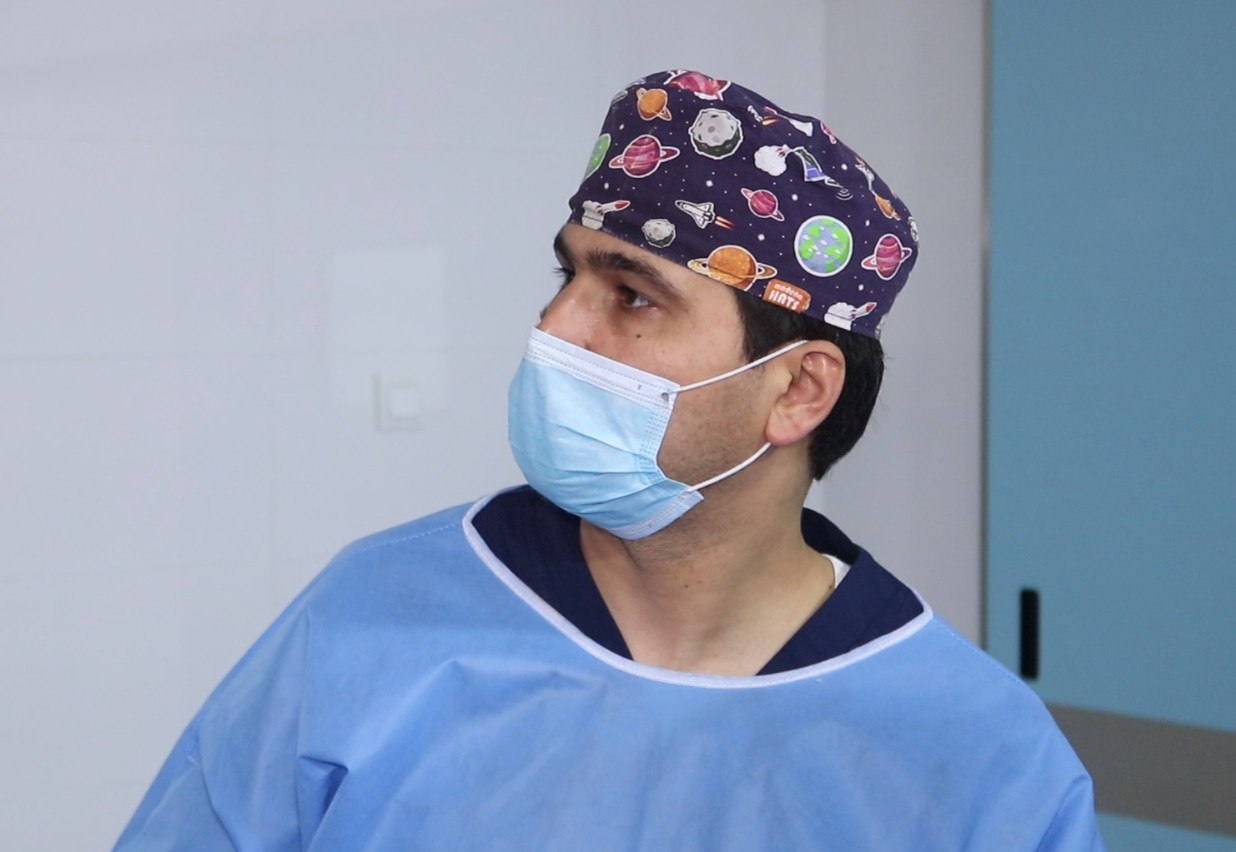
Experts explain that bariatric surgery is a group of surgical procedures aimed at treating obesity and its consequences. These procedures involve reducing the volume of the digestive system, particularly the stomach, and connecting it to the small intestine, which promotes gradual weight loss. This also helps improve patients' mobility and normalize metabolism.
There are several types of such surgeries, including sleeve gastrectomy, also known as "sleeve gastrectomy." This procedure involves removing a significant portion of the stomach, reducing the amount of food consumed. Bypass procedures are also used, which alter the functioning of the digestive system, reducing food intake and normalizing metabolism. After these surgeries, blood sugar levels in diabetic patients are significantly reduced, helping to prevent complications.
It is noted that the center's specialists have undergone training abroad, where they improved their qualifications, knowledge, and practical skills.
Currently, the center has implemented all the main types of bariatric surgeries used globally, and domestic specialists are able to perform them independently.