Translated with AI

































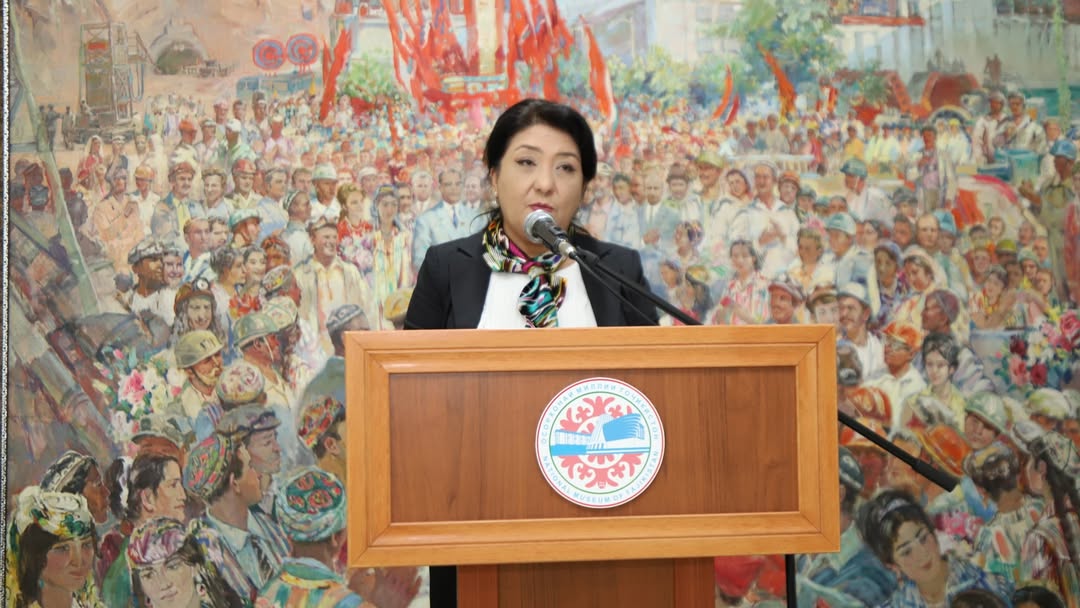
The National Museum of Tajikistan held the opening of the "Didor" exhibition, dedicated to the 35th anniversary of the country's state independence. This was reported by the National Museum of Tajikistan's press service.
The ceremony took place on April 14, 2026, at the State Institution “National Museum” of the Executive Office of the President of the Republic of Tajikistan.
During the official part of the event, Museum Director Zafarsho Ibrohimzoda, Advisor to the Presidential Aide on Social Development and Public Relations Shukhrat Azizzoda, Minister of Culture Matlubakhon Sattoriyon, and Chairperson of the Union of Artists of Tajikistan Nargis Khamidova noted that, in the years of independence, the preservation, restoration, and rehabilitation of historical and cultural heritage have become a priority of state cultural policy.
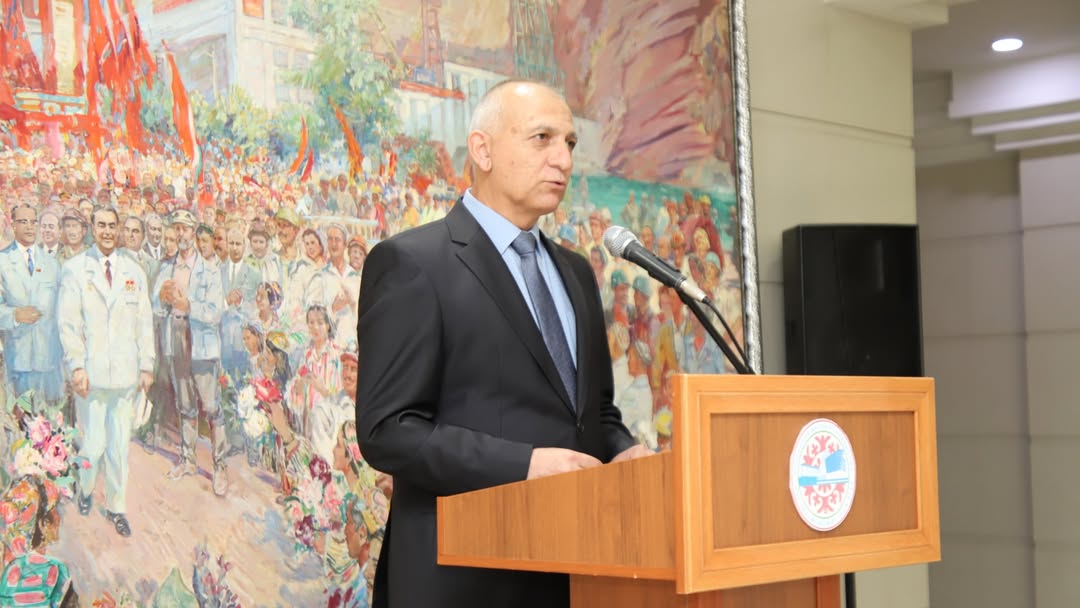
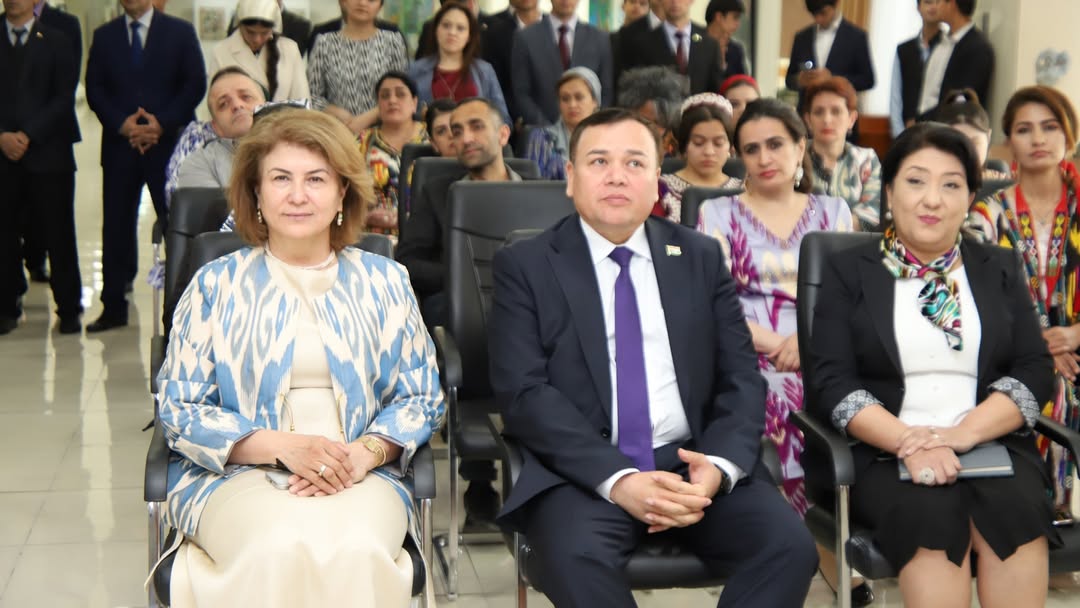

According to them, these processes are seen as an important component of the formation of national identity and the revival of historical and cultural values.
The exhibition is reportedly a continuation of initiatives to preserve cultural heritage. It consists of 73 rare paintings by renowned Soviet-era artists, including Khoshmukhammadov, Sidorenko, Khushbakhtov, Boborikin, Khaidarov, and others.
It is noted that the works on display have not been on display since the 1960s due to restoration. A special place in the exhibition is occupied by the work "Mountain Landscape. Mid-19th Century" by the German artist Winkler, considered the earliest work in the collection and its centerpiece.
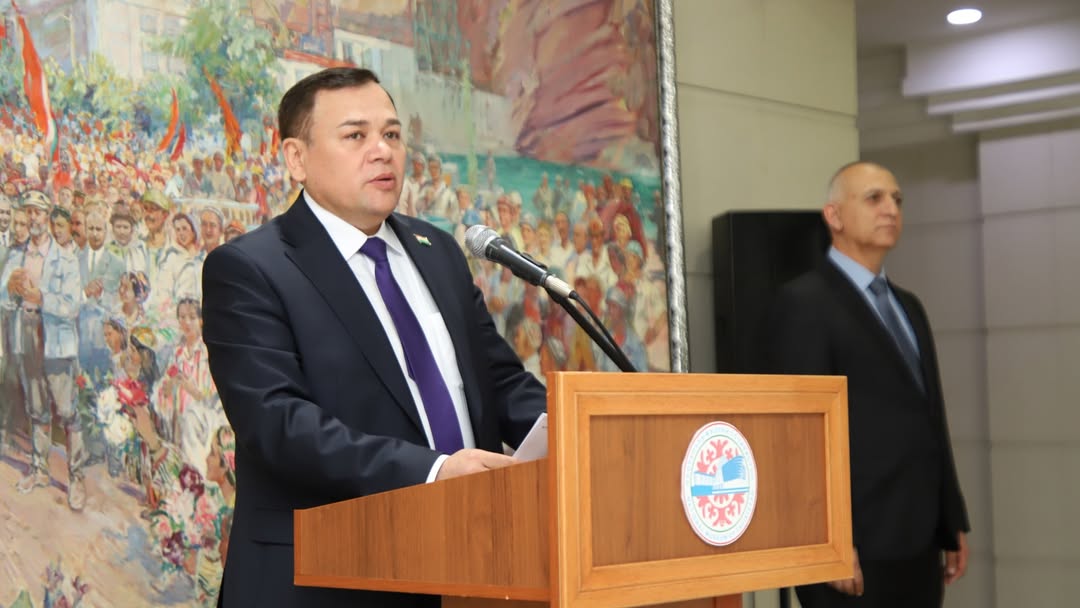
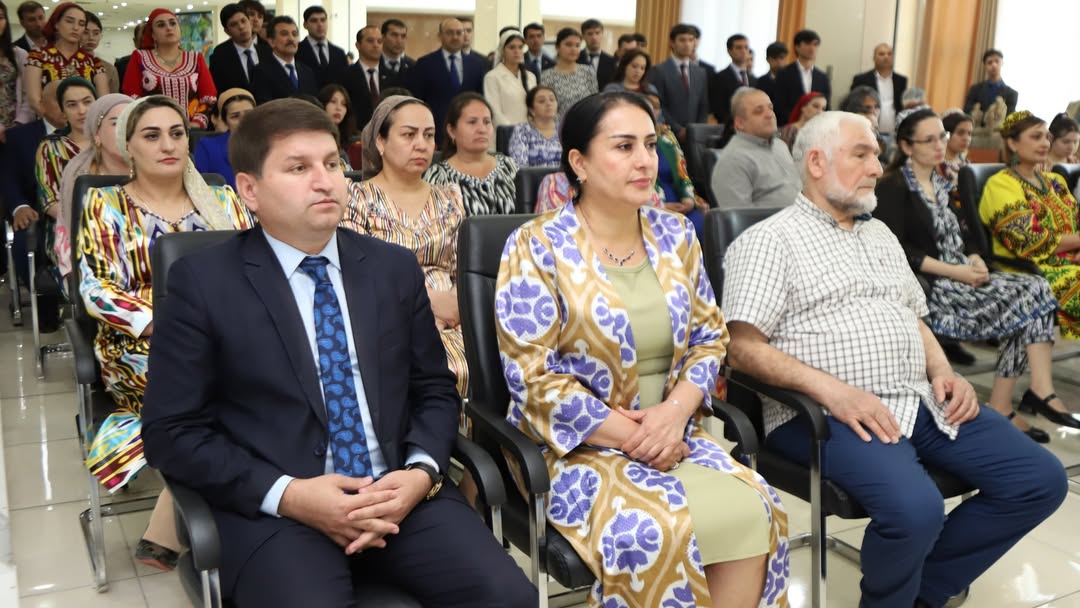
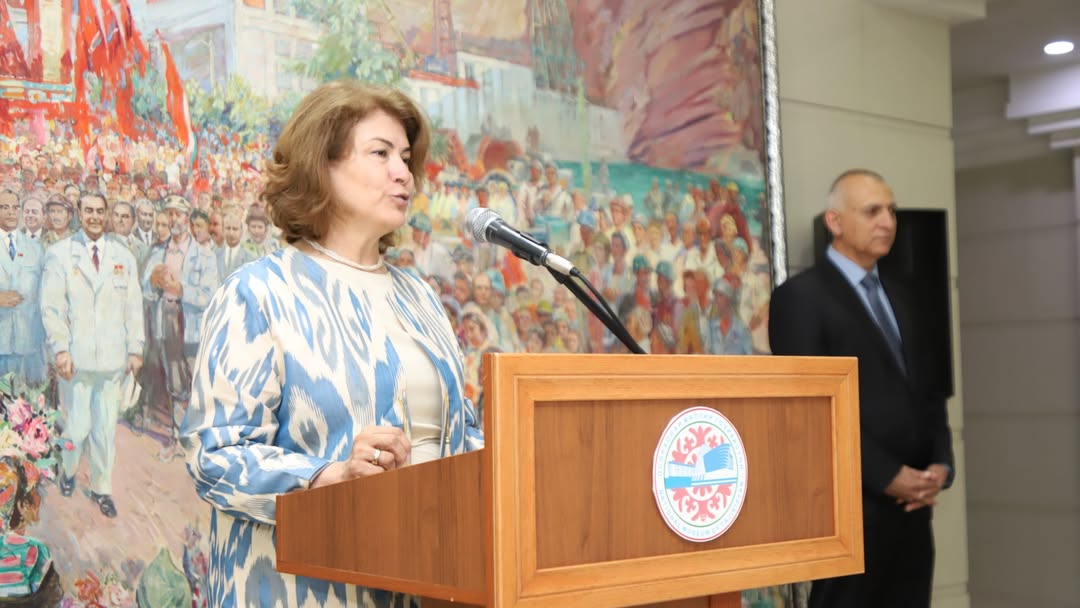
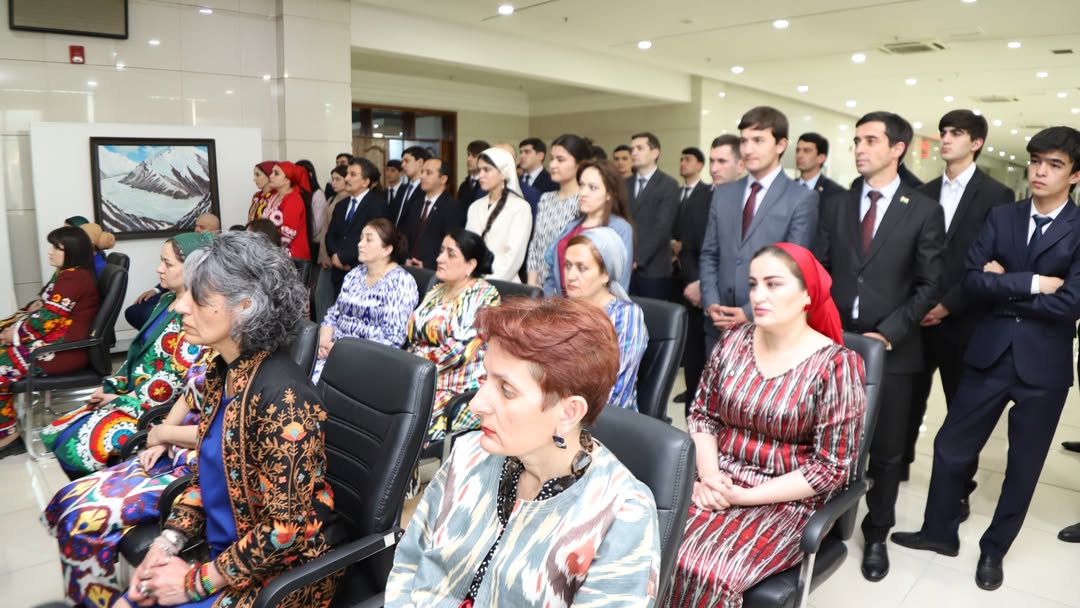
All of the works on display are being shown to the public for the first time after a complex restoration and strengthening process. The exhibition includes works of various genres and styles, from realistic to figurative. Visitors can view portraits, landscapes, and scenes from historical and everyday life.
In addition to painting, the exhibition features sculptures, including statues and busts, as well as decorative arts such as ceramics and artistic carvings.
Organizers note that the "Didor" exhibition symbolizes respect for the history of national art and reflects the state's attention to preserving spiritual heritage in the anniversary year.