Translated with AI
































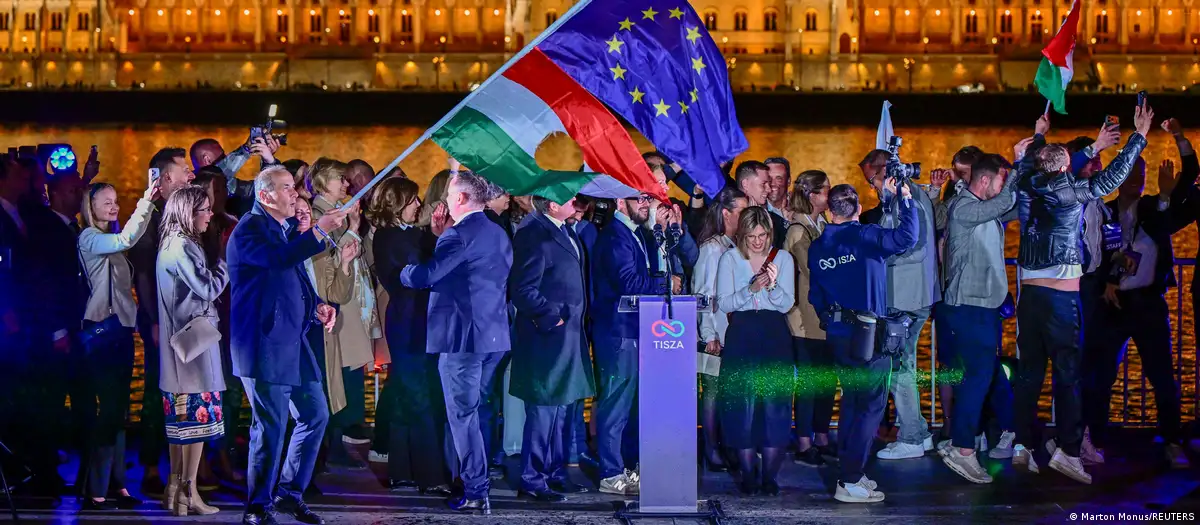
Péter Magyar, leader of the Tisza party, which won the Hungarian elections, announced that he would not block the EU's €90 billion loan to Ukraine. He made this announcement at a press conference on April 13.
The politician emphasized that Budapest does not plan to participate in the allocation of these funds. According to him, the decision on the loan was made by the European Union back in December, and the new government intends to act consistently within the framework of its previous commitments.
Previously, Hungarian Prime Minister Viktor Orbán, who suffered a defeat in the election, approved the loan at a summit of EU leaders, but later withdrew from the agreement. He linked his position to his demand that Kyiv repair the pipeline that supplies Russian oil to Hungary, accusing Ukraine of delaying the work.
Péter Magyar noted that even if Hungary agrees to the loan, the country will not participate in its financing. He attributed this to the difficult economic situation, noting that Hungary's budget deficit has tripled since 2010.
Magyar also expressed hope for the speedy release of EU funds intended to support the Hungarian economy. He said he intends to discuss this issue with European Commission President Ursula von der Leyen.
According to the Financial Times, the European Commission has already begun working with Magyar on the release of the €35 billion loan. EU diplomatic circles believe that lifting the veto on new sanctions against Russia and supporting the loan to Ukraine will be important signals for restoring Budapest's relations with Brussels.
At the same time, Brussels began preparations to provide Ukraine with a loan so that a decision could be made immediately after Magyar took office.
During the press conference, Magyar also announced plans to implement reforms within the country. Specifically, he promised to strengthen the fight against corruption, restore judicial independence, and ensure press freedom. He stated that the government intends to strengthen the rule of law and democratic institutions.
Furthermore, constitutional amendments are planned that would limit the prime minister's term limit to two terms per politician. According to Magyar, this limitation would also apply to Viktor Orbán.
Speaking about foreign policy, Magyar noted that he supports Ukraine's membership in the EU, but opposes the country's accelerated accession, emphasizing that states in a state of war cannot be admitted to the union.
He also stated that he would strive to develop relations with all neighbors, but emphasized that the settlement of issues related to the rights of the Hungarian minority is an important condition for cooperation with Ukraine.
Asked about possible contact with Russia, Magyar noted that he was ready to take a call from Vladimir Putin. He also emphasized that Russia remains a security threat.
Commenting on relations with the United States, the politician said he does not plan to contact President Donald Trump, who previously supported Orban, but noted that the United States remains an important ally.
The Tisza party has won Hungary's parliamentary elections. With over 98% of the votes counted, it holds 138 seats. Viktor Orbán's Fidesz party and its allied Christian Democratic People's Party hold 55 seats. The Our Homeland movement could claim another six seats.