Translated with AI

































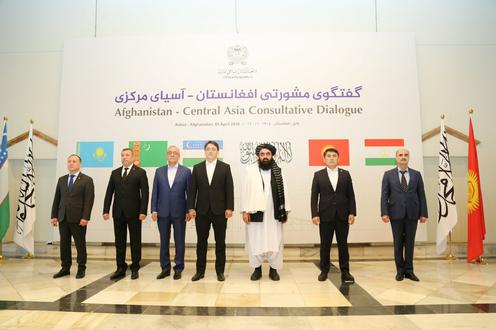
On April 5, 2026, a meeting of the Afghanistan-Central Asia Consultative Dialogue was held in the Afghan capital. The Ministry of Foreign Affairs of the Islamic Emirate of Afghanistan initiated the meeting. The meeting was chaired by Afghan Foreign Minister Amir Khan Muttaqi, Ferghana.ru reports, citing Alemarahenglish.af.
The meeting was attended by high-ranking representatives from Afghanistan and Central Asian countries.
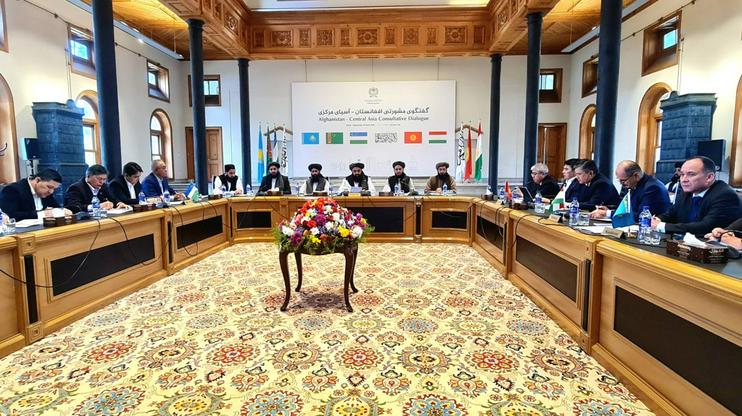
It is noted that this is the first such meeting in Kabul since 2021. Previously, Central Asian countries held their own meetings with representatives of the Taliban movement in Astana, Tashkent, and other cities. This meeting marks the first time that the Afghan authorities have independently initiated and hosted an event of this format on their territory since August 2021.
The agenda included political, economic, and security issues, as well as the development of regional cooperation, trade, and transit. According to Afghan Foreign Minister Amir Khan Muttaqi, the threat of ISIS (Daesh), drug trafficking, and cross-border crime remain common challenges for Afghanistan and the Central Asian states.
Afghan authorities view the dialogue as an important step in strengthening ties with the region.
Following the meeting, Amir Khan Muttaqi stated on social media that, after nearly half a century of instability, Afghanistan has achieved stability and national security, and the foundations of public administration are being strengthened. He added that administrative corruption has been eliminated, and work is underway to simplify government bureaucratic processes and promote digitalization.
He also noted that the Islamic Emirate of Afghanistan's foreign policy is based on the principles of balance and economic orientation, with an emphasis on Islamic brotherhood, good neighborliness, mutual respect, and cooperation. He added that Central Asian countries occupy a special place in this policy.
In his statement, the minister emphasized the historical and cultural commonality of the region, mentioning Islamic figures and thinkers including Imam Abu Hanifa, Imam Bukhari, Imam Tirmidhi, Abu Rayhan al-Biruni, Rudaki, Makhtumkuli Fragi, Alisher Navoi and Abu Nasr al-Farabi, whose legacy, he said, forms the foundation of relations between Afghanistan and Central Asia.