Translated with AI








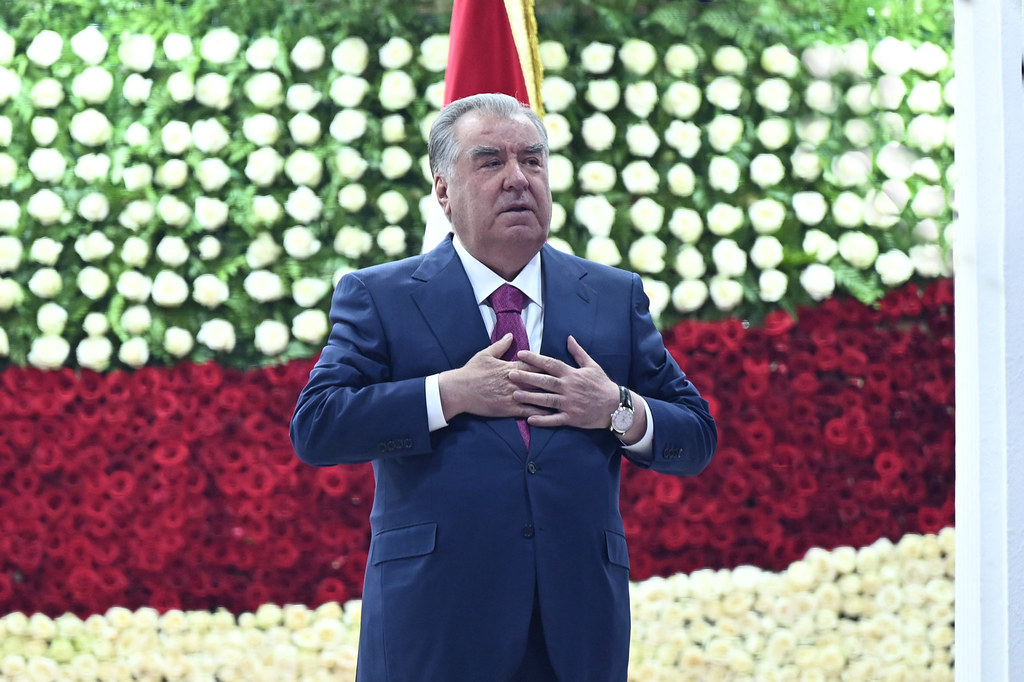















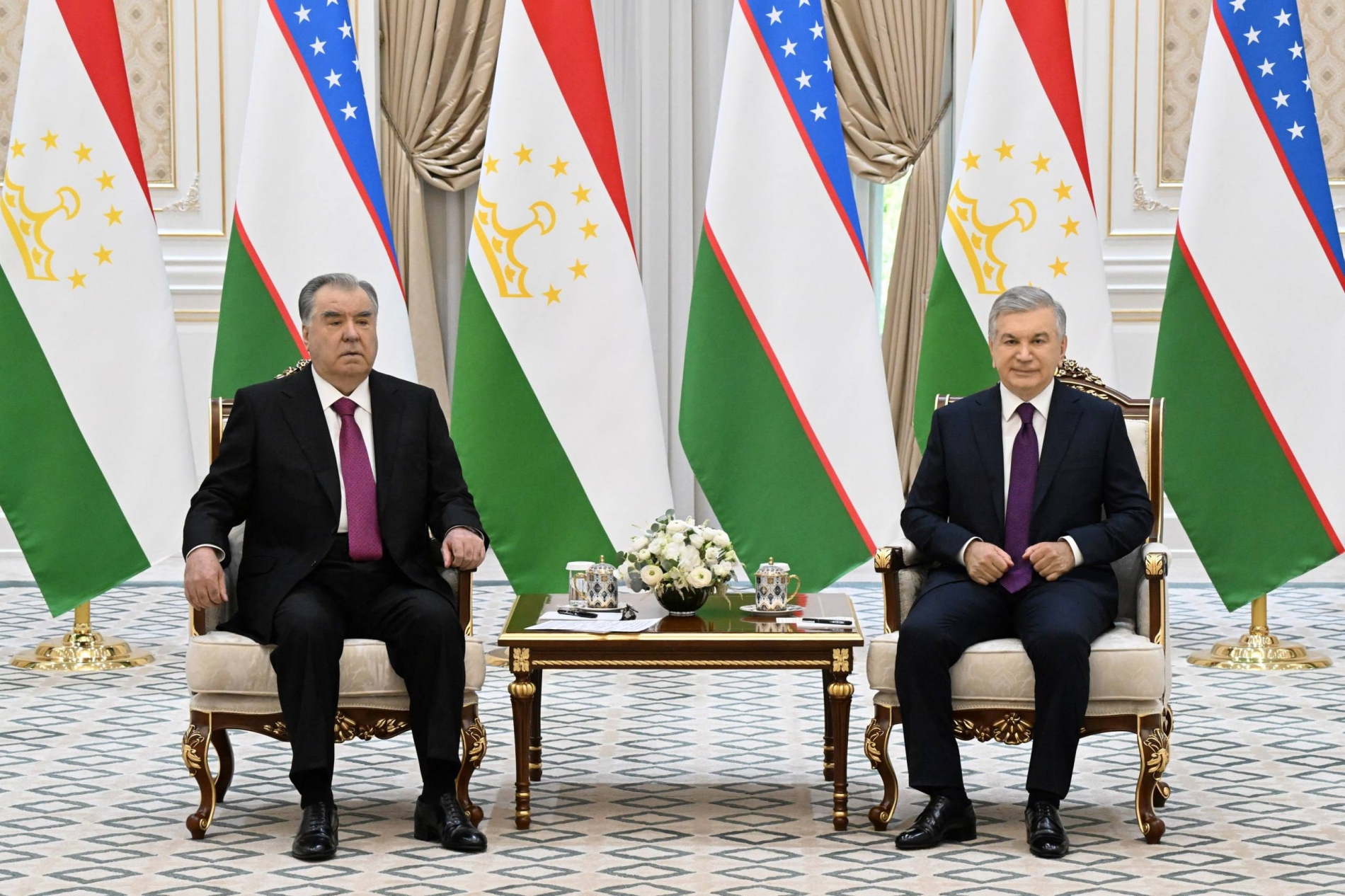
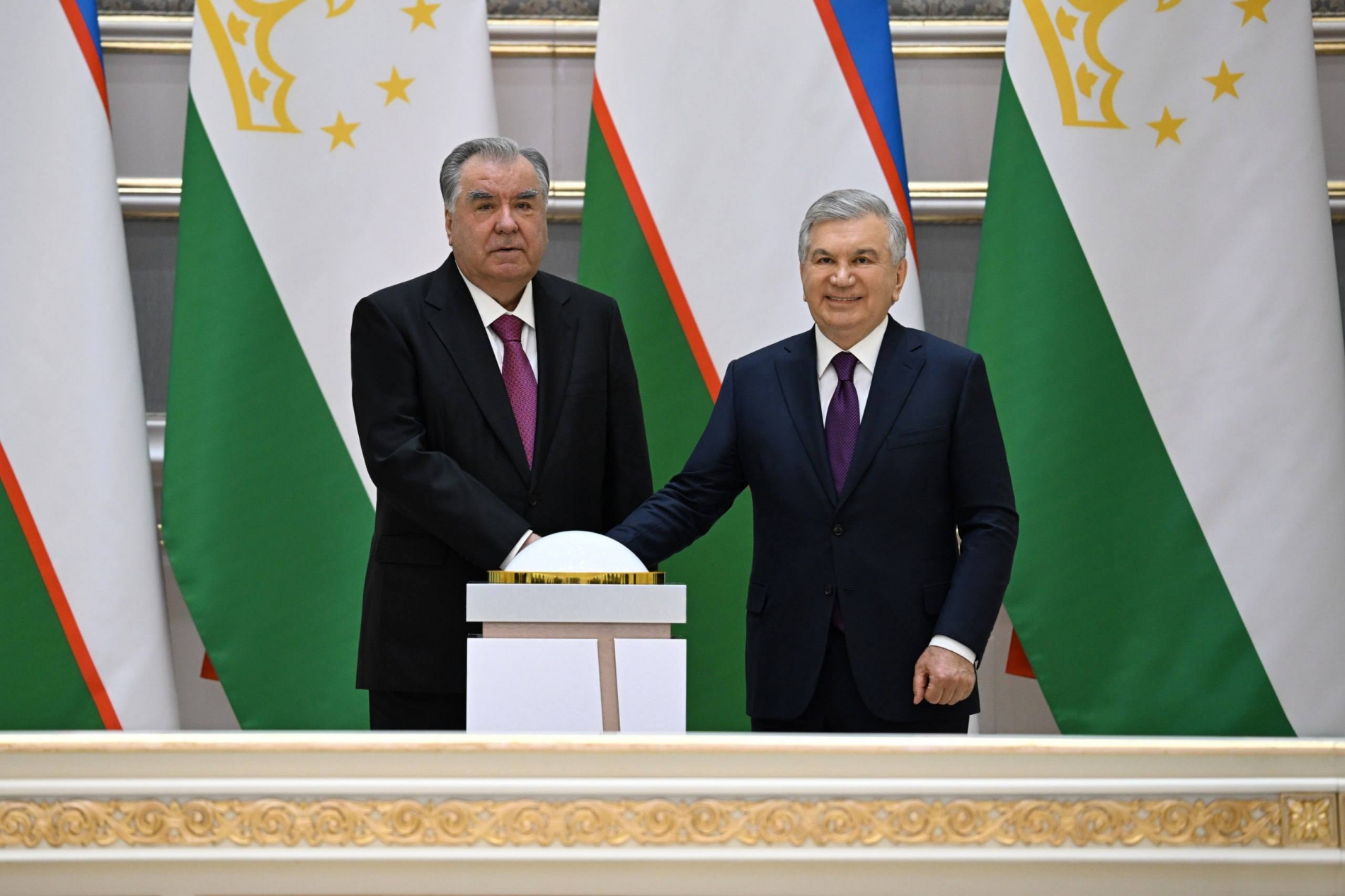
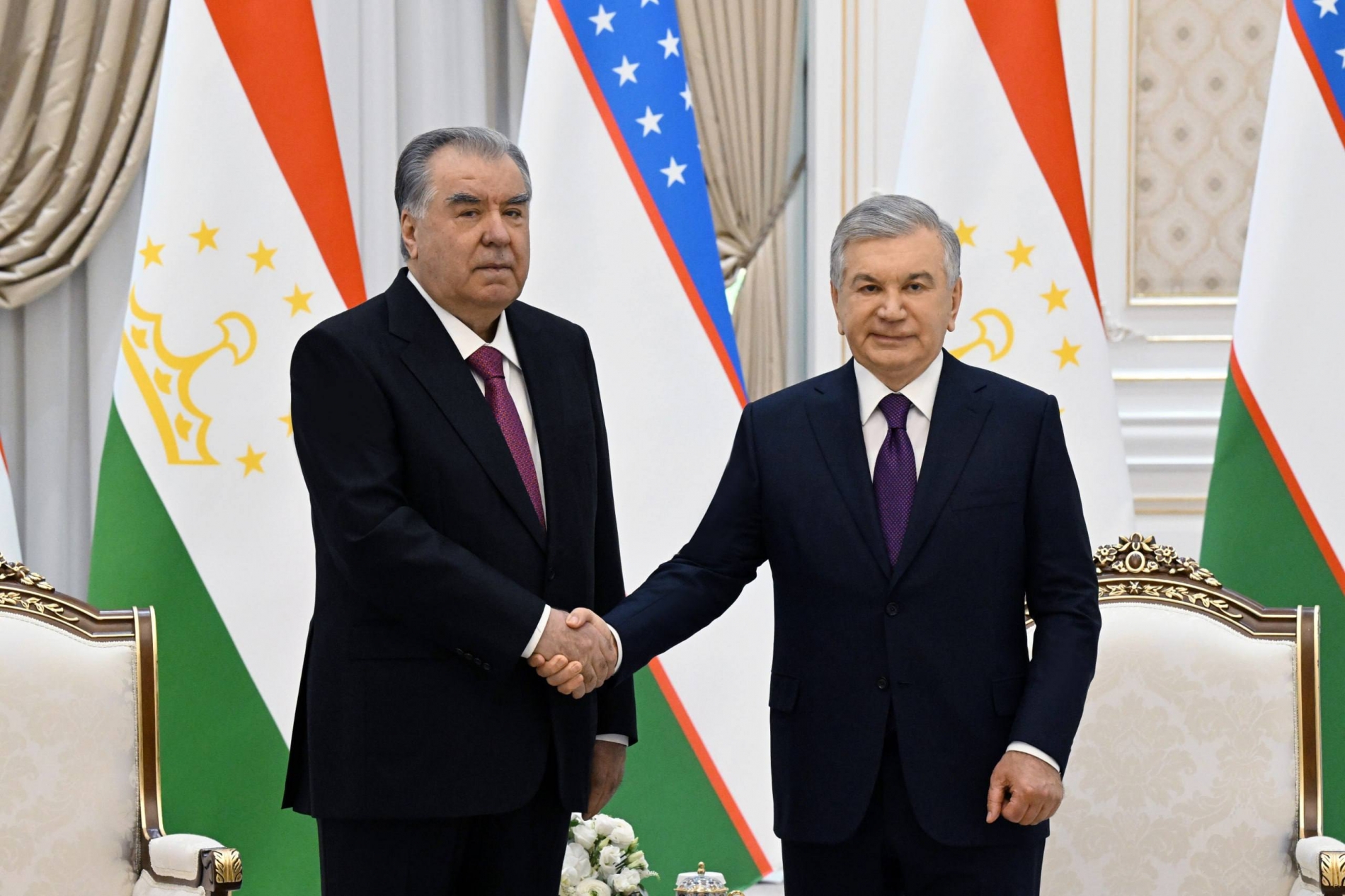
On March 26, at the Kuksaroy residence, President of the Republic of Uzbekistan Shavkat Mirziyoyev and President of the Republic of Tajikistan Emomali Rahmon held private talks and the first meeting of the Supreme Interstate Council. This was reported by the press service of the President of Uzbekistan.
The head of the Uzbek state noted that the current state visit of the President of Tajikistan is a significant event and an important step in strengthening the centuries-old ties of friendship, good-neighborliness, and mutual respect between the two countries.
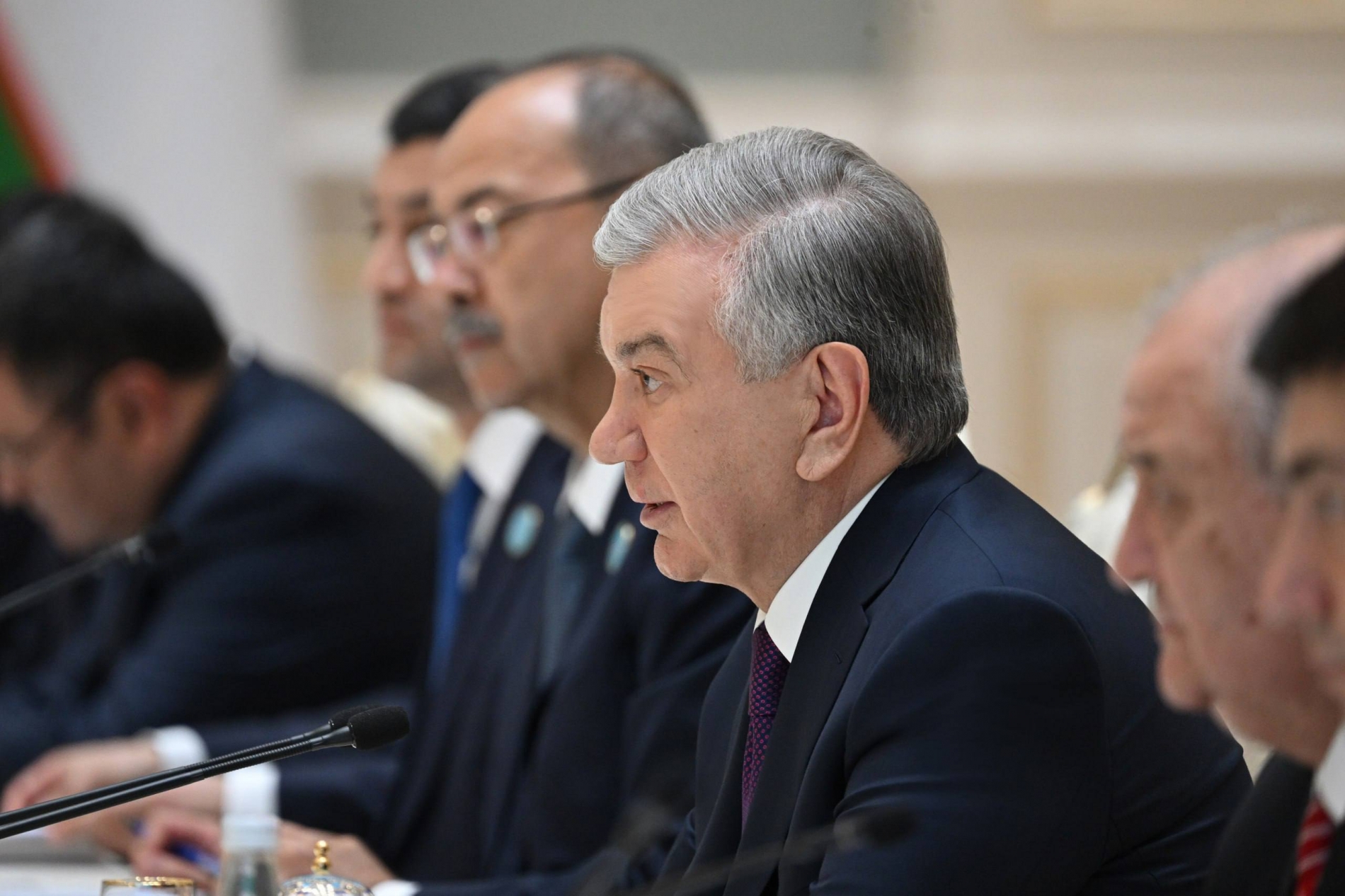
"Today we are opening the first meeting of the Supreme Interstate Council. This format will undoubtedly take bilateral cooperation to a qualitatively new level and will serve to infuse Uzbek-Tajik strategic partnership and alliance relations with practical content and breakthrough initiatives," said Shavkat Mirziyoyev.
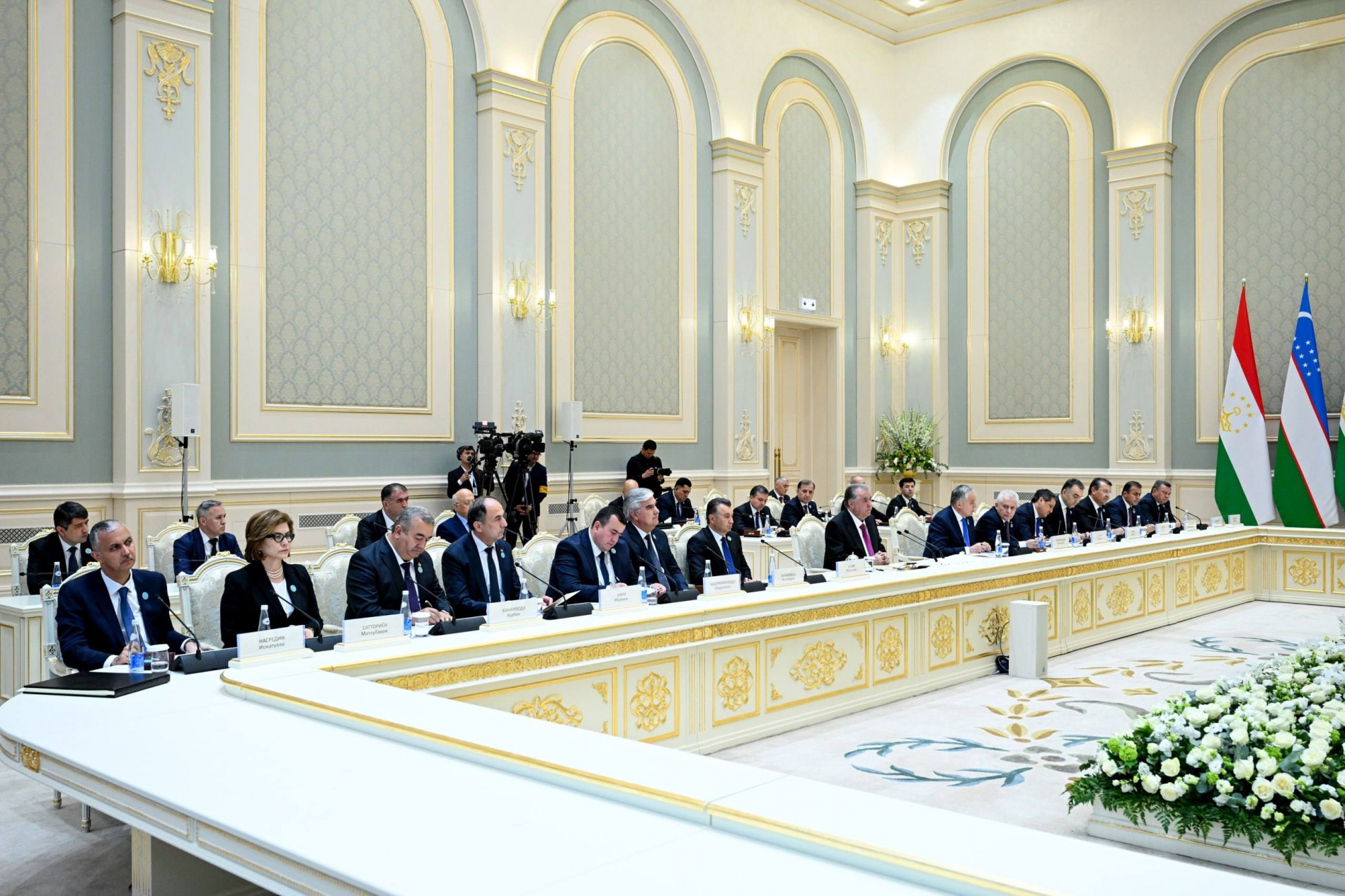
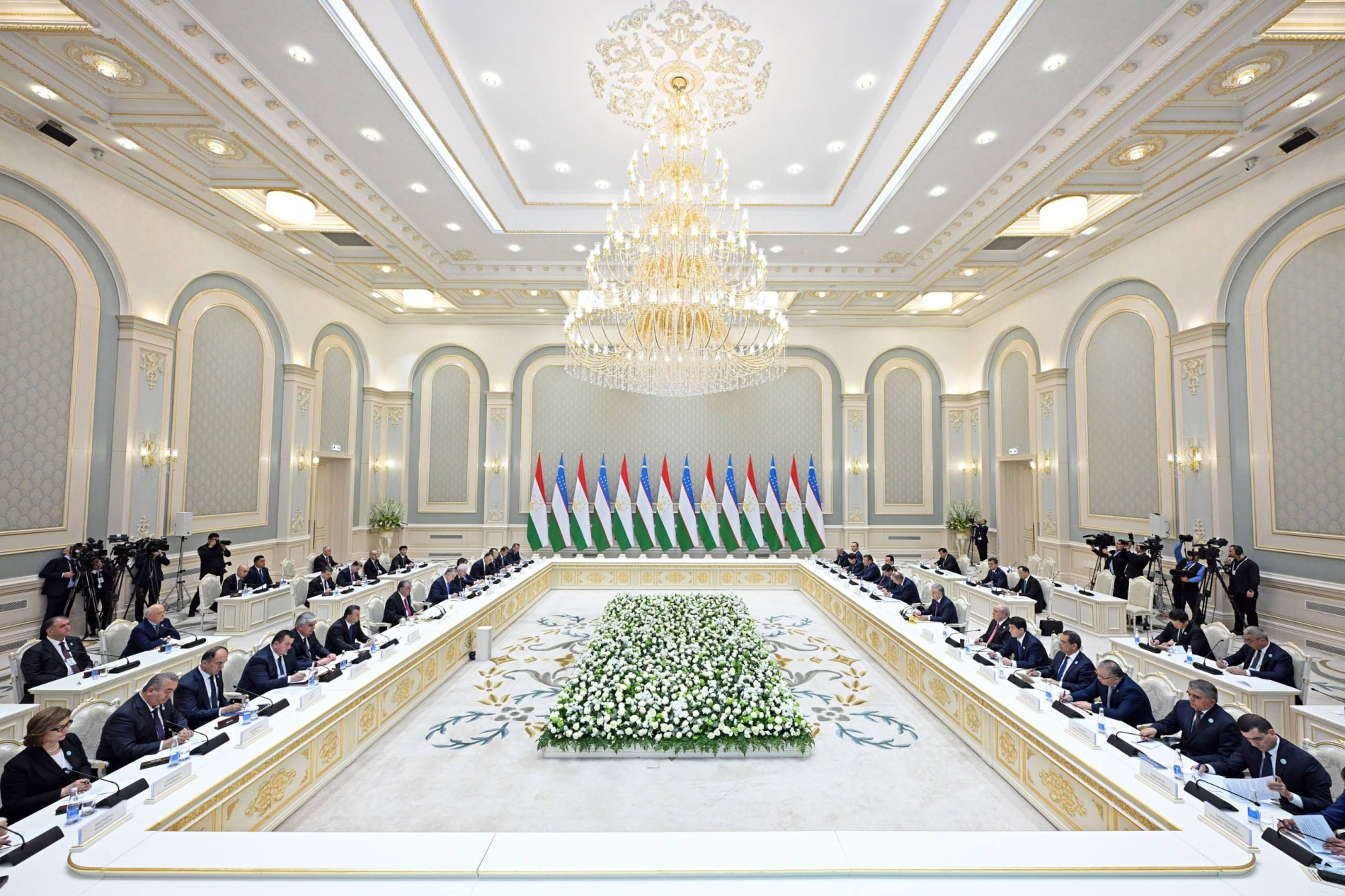
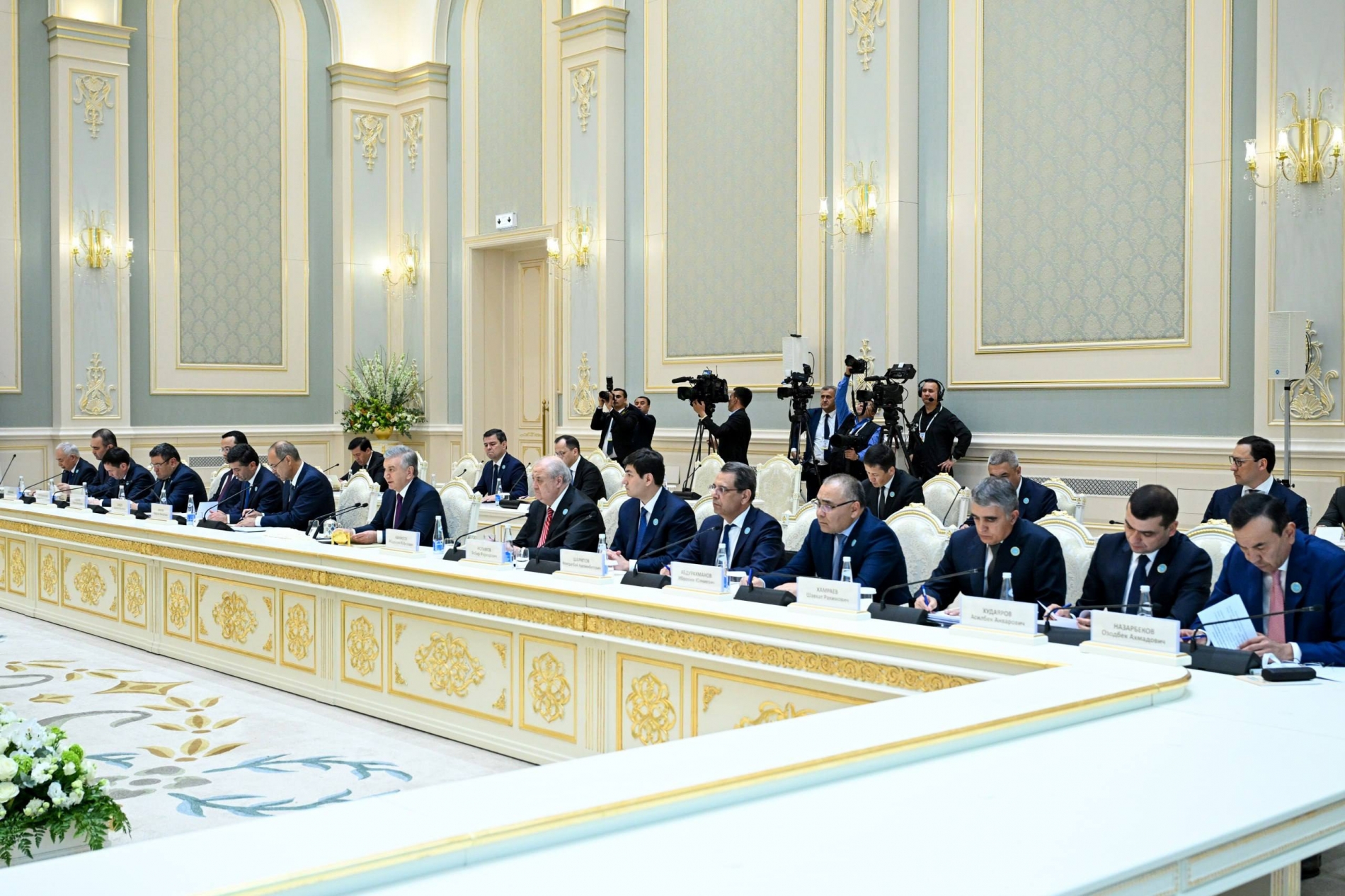
Active and close contacts at the levels of governments, parliaments and departments were noted with satisfaction.
In preparation for the visit, a meeting of the Intergovernmental Commission, an industrial exhibition, and forums of regions, rectors, scientists, youth, and think tanks were held. The country is currently celebrating Days of Tajik Culture and Cinema.
During the meeting, the parties discussed in detail new areas of cooperation, analyzed the use of existing opportunities, and made a number of important decisions aimed at strengthening mutually beneficial Uzbek-Tajik cooperation.
Particular attention was paid to measures to increase mutual trade volumes, stimulate the growth of industrial cooperation, strengthen transport connectivity, and enhance water and energy security.
Last year, trade turnover between the countries reached almost $1 billion, primarily due to mutual deliveries of finished goods.
Numerous cooperation projects are being implemented in industry, construction, agriculture, textiles, electrical engineering, pharmaceuticals, and other sectors.
Today, the two countries' capitals are connected by air, bus, and rail services. Freight traffic volumes are growing rapidly.
The parties considered the possibility of increasing mutual trade to $2 billion by 2028.
This will be facilitated by agreements to expedite the creation of the Oybek-Fotekhobod border trade center, the implementation of digital product certification and E-Permit permit exchange systems, and the modernization of border checkpoints.
In addition, a separate industrial cooperation program is being adopted, including projects in the mining, energy, agricultural, electrical engineering, light industry, construction and other industries.
The importance of expanding the joint investment company's capital base to support promising projects was noted. New joint projects will also be launched in both countries.
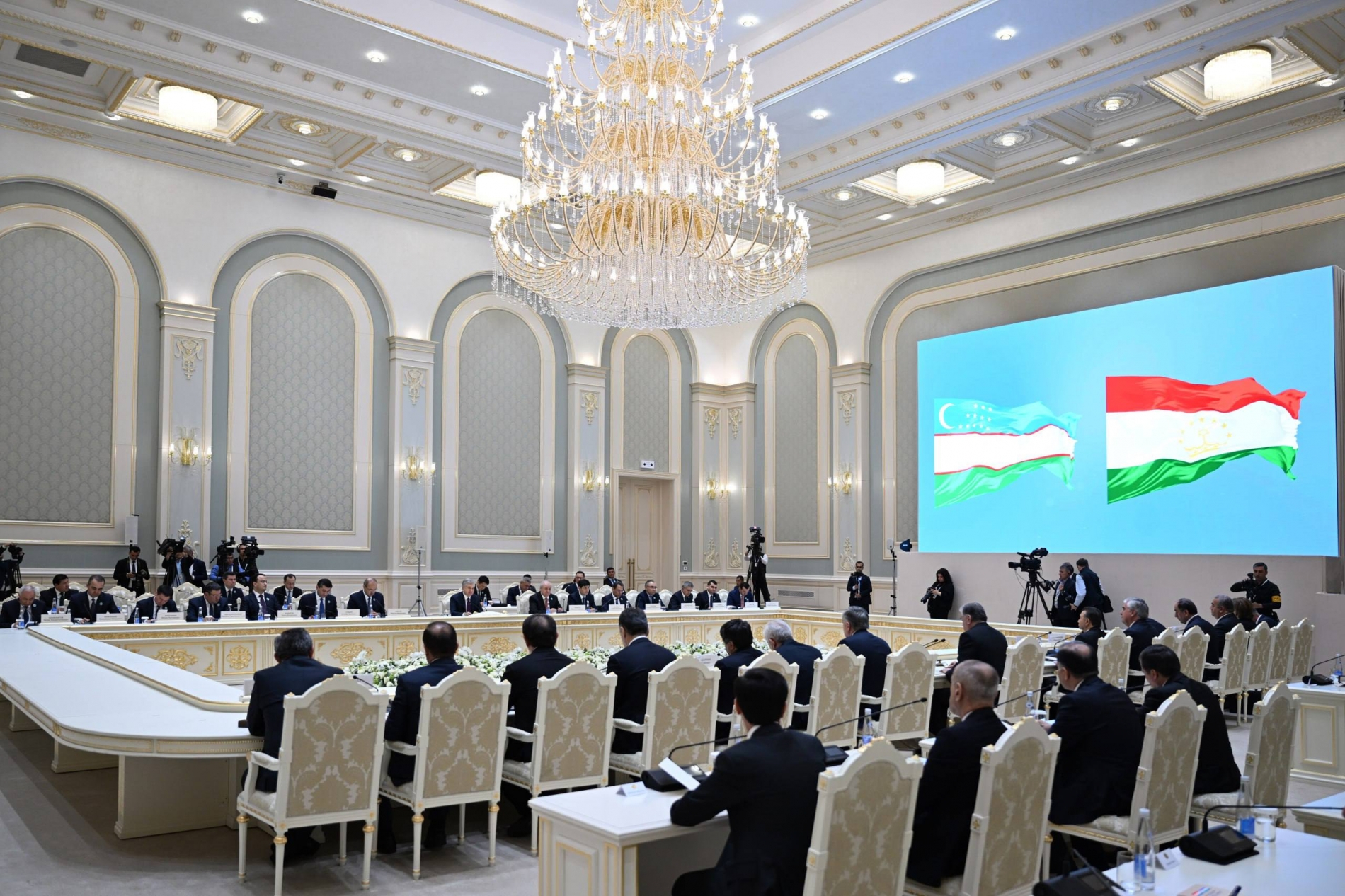
Prospects for cooperation in the fields of energy, water management, transport and other areas were examined in detail.
The leaders agreed to give additional impetus to interregional ties and encourage humanitarian, educational, and scientific exchanges.
Taking into account the presence of large diasporas, it was proposed to adopt a five-year action plan to strengthen cultural and humanitarian ties.
The heads of state exchanged views on current issues on the regional agenda and international politics.
The importance of continuing close dialogue and mutual support within multilateral structures and regional formats in Central Asia was noted. An agreement was reached to intensify cooperation in the security sphere.
The meeting heard reports from the co-chairs of the Intergovernmental Commission – the prime ministers of the two countries – on key areas of cooperation.
Following the meeting, a decision was made to prepare a comprehensive roadmap to ensure the full implementation of the agreements reached.