Translated with AI







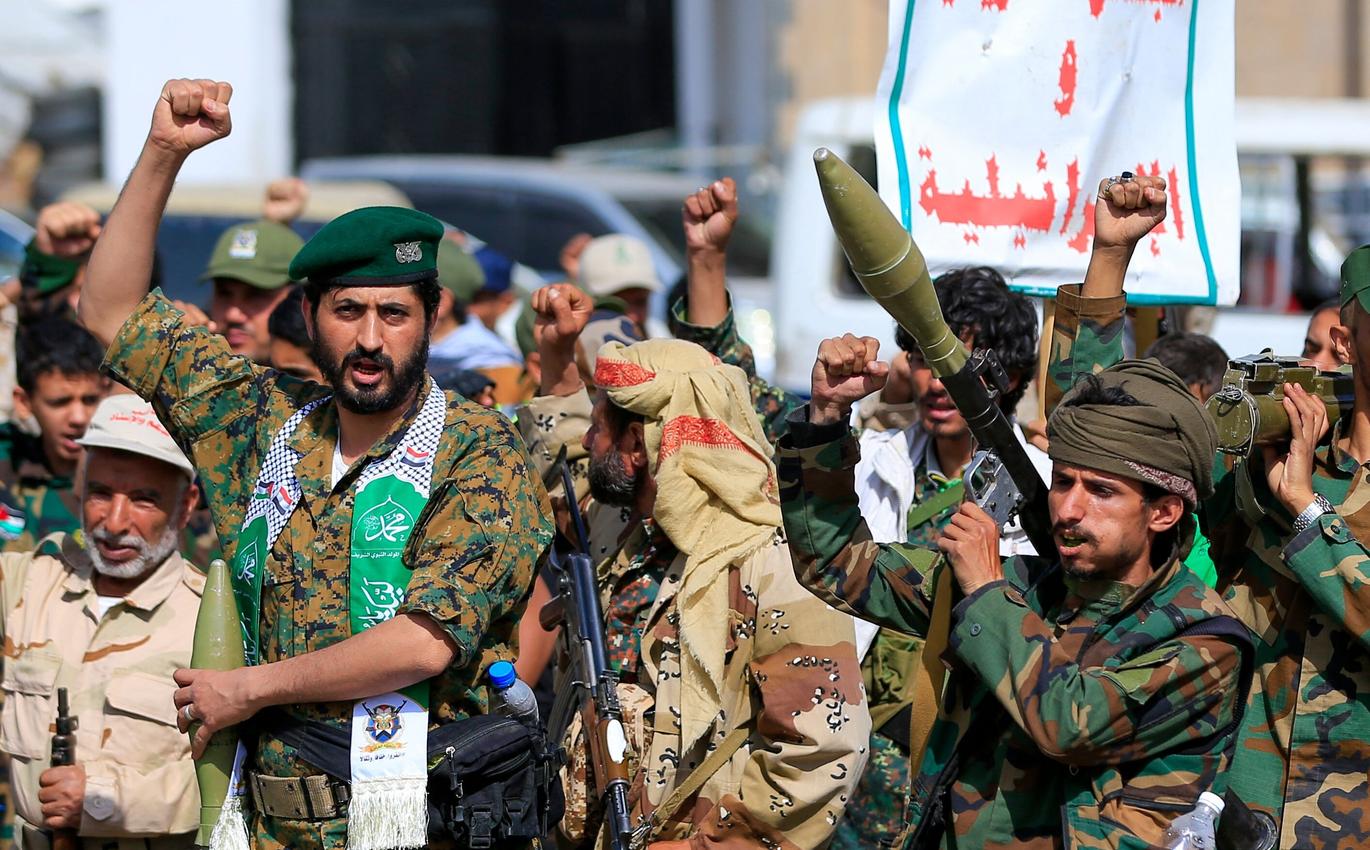

















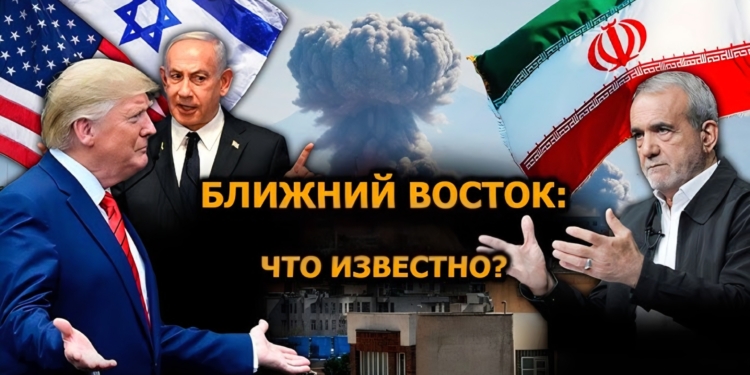
The war between the US, Israel and Iran, which began on February 28, entered its 24th day amid ongoing exchanges of fire, rising tensions and warnings of further escalation.
One of the most resonant signals was the statement by Ismail Sekab Esfahani, an aide to Iranian President Mehdi Pezeshkian, who warned the population of Israel and the Persian Gulf countries: "Stock up on water and charge your phones for 48 hours." This call was perceived as a hint of a possible new wave of attacks and heightened concern among the civilian population.
The situation escalated after US President Donald Trump announced possible strikes on Iranian power plants. He stated that if Tehran does not restore shipping traffic through the Strait of Hormuz within 48 hours, the US will strike Iran's energy infrastructure.
In response, Iran strongly condemned such threats. Iran's Permanent Representative to the UN, Amir Saeed Iravani, in a letter to UN Secretary-General António Guterres, stated that possible attacks on civilian infrastructure would constitute a serious violation of international humanitarian law, including the Geneva Conventions. He called on the UN Security Council to prevent such actions and emphasized that the United States would bear responsibility for the consequences.
Iranian Foreign Minister Abbas Araghchi, in turn, stated that the Strait of Hormuz remains open, but shipping is complicated by insurers' concerns about the military threat.
The Islamic Revolutionary Guard Corps command stated that strikes on Iranian power plants could completely close the strait, making the energy infrastructure of Israel and regional countries hosting American bases a legitimate target. The IRGC also emphasized its readiness to continue strikes until the enemy's complete surrender.
Amid the threats, information was published about possible targets for strikes on the energy sector in the Persian Gulf countries. Potential targets include the Barakah nuclear power plant, gas facilities in Qatar and the UAE, and major oil, gas, and energy facilities in the region. It is estimated that up to 70–80% of these facilities are within Iran's reach.
At the same time, Iranian authorities are reporting significant damage to the country's energy infrastructure. Iranian Energy Minister Abbas Aliabadi reported that the US and Israeli attacks damaged electricity and water supply systems, including dozens of water treatment facilities.
Military action continues. The Israel Defense Forces reported missile launches from Iranian territory and air defense systems intercepting them. According to Israeli data, Iran has launched over 400 ballistic missiles since the beginning of the conflict, approximately 92% of which were intercepted. In one day, air defense systems repelled four waves of attacks.
Some of the missiles hit their targets. More than 180 people were injured in the strikes on the cities of Dimona and Arad. These towns are located near the Israeli nuclear center, which Iranian authorities claim was the target of the attacks.
Iran also carries out missile and drone strikes against targets in the Persian Gulf countries, including Qatar, the United Arab Emirates, and Bahrain, while the United States and Israel continue to strike military and strategic targets inside Iran.
The conflict is increasing pressure on the global energy system. Iran, according to media reports, is banking on rising oil prices and increasing pressure through the Strait of Hormuz, which remains a key fuel supply route. Plans to impose tolls on tanker transit are also reported.
Experts warn that potential attacks on energy infrastructure could lead to widespread power outages, disruptions to basic services, and a worsening humanitarian situation.
There is growing concern in international circles that the conflict could expand beyond the standoff between Iran and Israel. Persian Gulf countries and American military bases in the region could be at risk.
According to Iranian authorities, more than 1,348 people were killed and more than 17,000 were injured as a result of the US and Israeli attacks.
Despite ongoing calls for a diplomatic settlement, military activity between the parties continues, which, according to observers, reduces the likelihood of a quick resolution to the conflict and indicates the risk of its further escalation.