Translated with AI























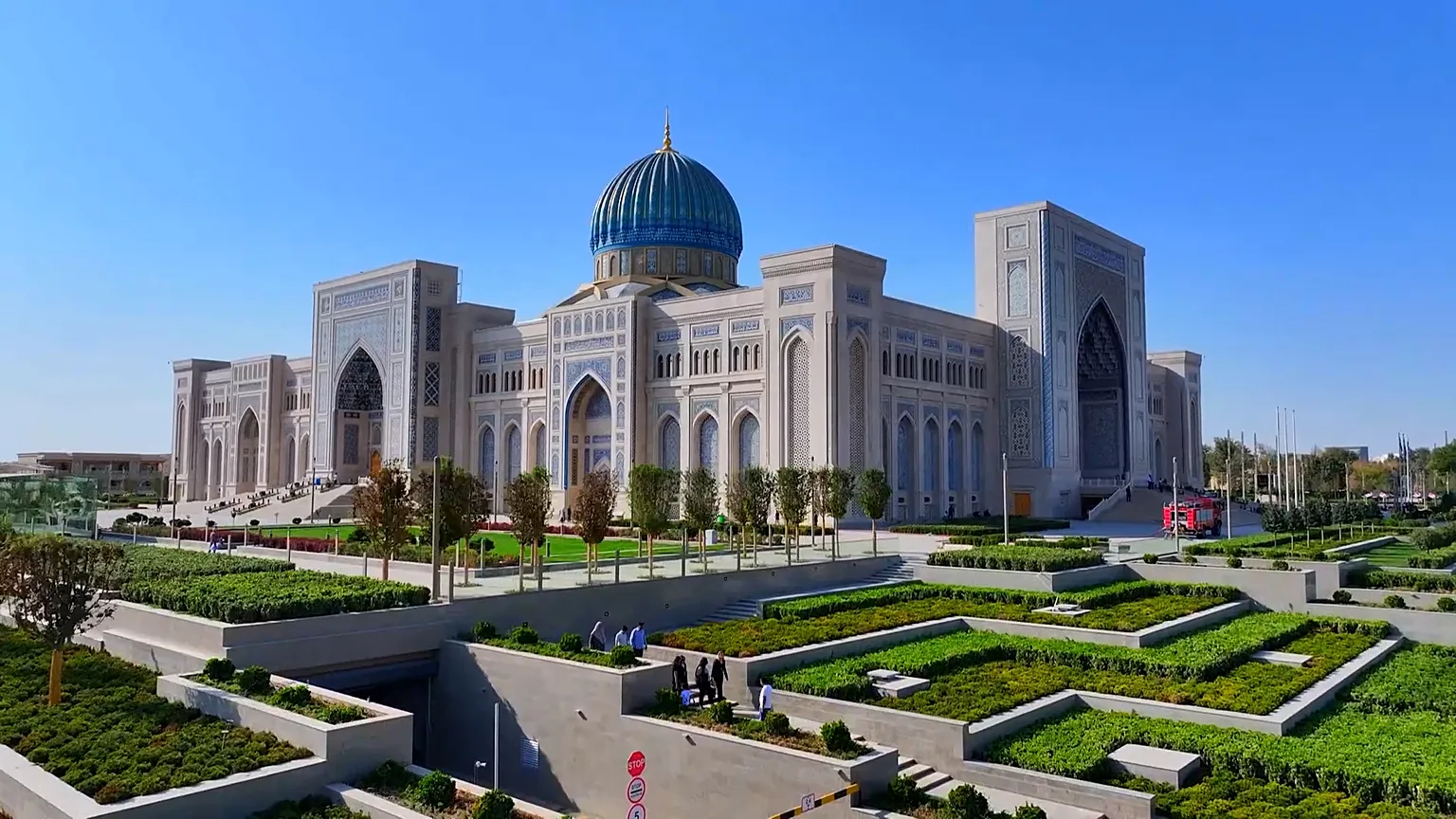
Yesterday, March 17, a truly important, blessed, and great event took place, not only in the lives of Uzbeks and Uzbekistan, but also for the region and the entire Islamic world. After a long wait for our people, the Center for Islamic Civilization was opened with great ceremony. The fact that the opening of this center took place during the holy days of Ramadan, after the Night of Power, and was combined with the iftar meal, also carries profound significance.
Yes, fasting and holding iftar are inherent to us Muslims. However, the event was attended not only by Muslims, but also by representatives of the diplomatic corps operating in Uzbekistan, as well as people of various nationalities. They all gathered around one table, like one big, friendly Uzbek family, sharing bread and salt and refreshments. In today's troubled world, such an atmosphere is so important and necessary!
In his speech, President Shavkat Mirziyoyev noted with great satisfaction that iftars have become a good tradition in our country, emphasizing: "Undoubtedly, all of this serves to elevate human dignity in our society, strengthen peace, and foster an atmosphere of national unity. The fact that representatives of various nationalities and religious faiths from across our country are participating in today's iftar is also proof of this."
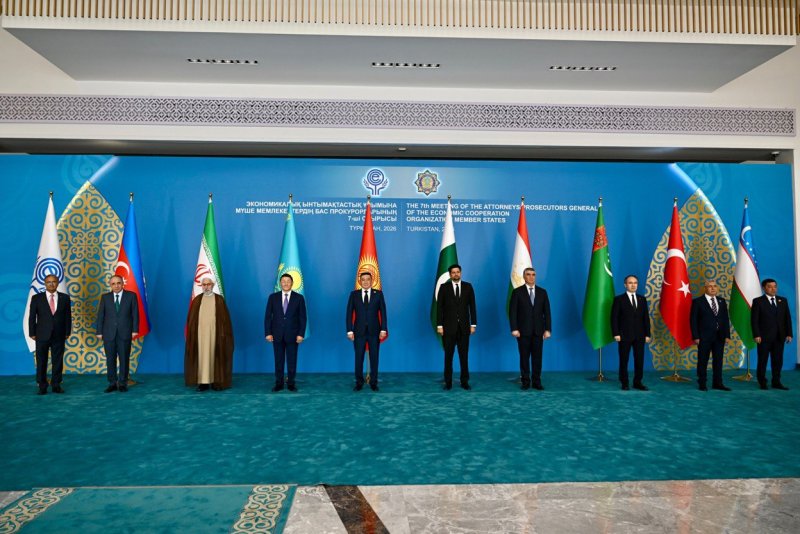
The President himself has visited this center several times before, reviewing the progress of construction work and remarking to journalists that this complex will become a center of tolerance, compassion, and goodwill for all peoples and religious faiths. This idea was particularly emphasized on November 15, 2025, when the leaders of Central Asian countries and Azerbaijan visited the center and, after reviewing its exhibits, emphasized the importance of strengthening cultural and civilizational ties between the countries of the region, promoting educational projects, and fostering shared humanitarian values.
And now the center has officially opened, a NEW PLATFORM has emerged for developing scientific, religious, educational, and humanitarian ties with neighboring countries, including Tajikistan. This should be a source of pride for all of us—whether Uzbek, Tajik, Kyrgyz, or Kazakh. After all, at their core, Islam and the legacy of our ancestors valued not division, but unity, mutual solidarity, respect, and reverence. We must cherish these days!