Translated with AI





















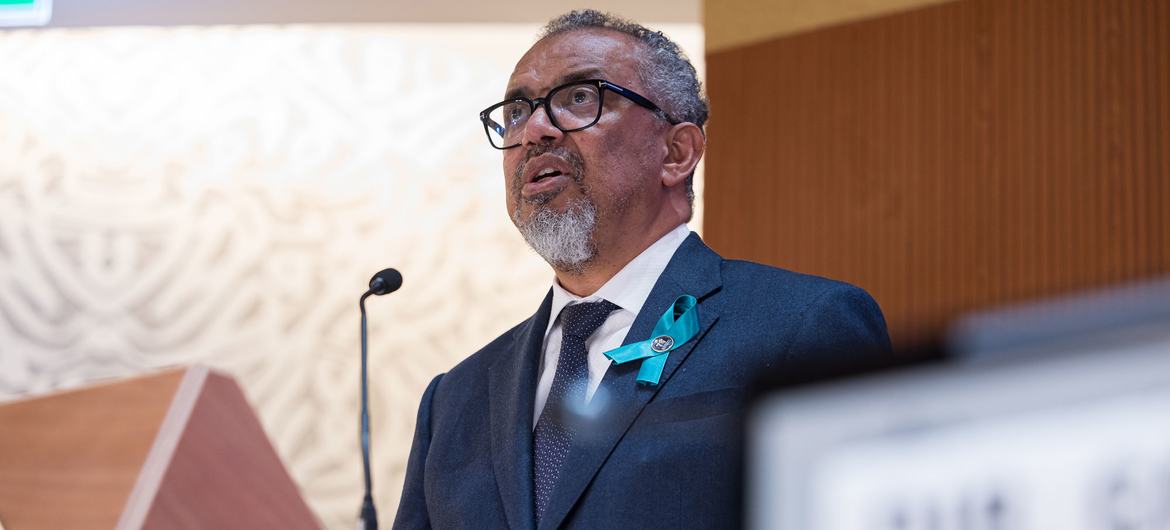
World Health Organization Director-General Tedros Adhanom Ghebreyesus called on countries to focus more on preparing for future pandemics and strengthening global cooperation. He made this statement on March 12 at the opening of the 13th Global Baku Forum, according to the UN press service.
The head of the WHO noted that the world needs to take health threats more seriously and be prepared to confront new pandemics.
He recalled that military spending in 2025 reached $2.7 trillion, which is 30 times the amount needed to eradicate hunger by 2030.
He said the world must be prepared for the threat posed by an "invisible enemy"—a pandemic like COVID-19. It has claimed an estimated 20 million lives, more than any war in modern history, and caused more than $10 trillion in damage to the global economy.
Tedros Adhanom Ghebreyesus emphasized that the global community often moves from one crisis to the next without learning the necessary lessons. Despite the devastating consequences of pandemics, countries continue to spend significantly more on military expenditures than on protecting public health.
"As the COVID-19 pandemic has demonstrated, in a globalized world, health security is national security," the WHO chief emphasized.
He also noted that viruses do not recognize borders.
"Viruses don't need visas, pathogens don't respect borders, and disinformation spreads faster than diplomacy," Ghebreyesus said.
The head of the WHO emphasized that healthcare should become an important platform for international cooperation.
According to him, in a divided and fragmented world, healthcare remains one of the areas where states can and should cooperate, overcoming ideological differences to find common solutions.
Ghebreyesus recalled that World Health Organization member states continue to work to strengthen global preparedness for future pandemics. Last year, an agreement on pandemics was adopted, which, once ratified, should become an important international legal instrument for enhancing public health security.
In addition, countries are negotiating an additional pathogen-sharing and benefit-sharing mechanism that should ensure the rapid identification of potentially dangerous viruses and equitable access to vaccines, drugs, and diagnostics.
According to the head of the WHO, countries are participating in this process not out of charitable motives, but because cooperation in the areas of epidemiological surveillance, early warning, and access to medical supplies is in their own interests.
“This is the point of multilateral cooperation – not to eliminate differences, but to manage common risks,” he emphasized.
Ghebreyesus also noted that the international cooperation system is currently facing serious challenges. He stated that the World Health Organization is undergoing a period of complex reforms and reorientation due to the withdrawal of funding from its largest donor.
He expressed confidence that the WHO would be able to overcome this period.
“I am confident that WHO will emerge from this situation stronger, more clearly focused on its core mandate, more independent and more capable of serving the peoples and countries of the world,” the head of the organization noted.
In conclusion, he emphasized that humanity faces common threats.
“Ultimately, we are one species, living on the same planet, sharing the same DNA and facing the same threats,” he said, adding that restoring trust between countries and international institutions remains key to effectively responding to future crises.