Translated with AI


































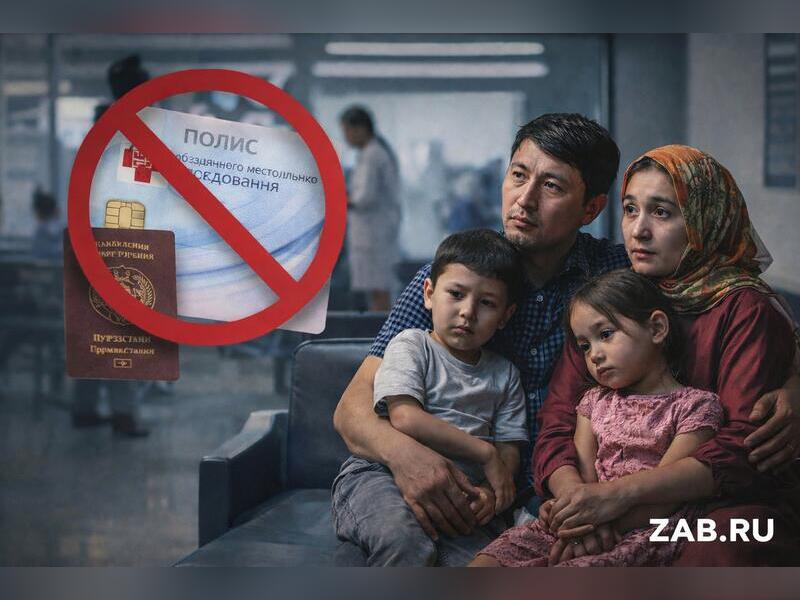
The Eurasian Economic Union Court clarified that, according to the documents regulating the compulsory medical insurance system in the Russian Federation, the country's authorities are not obligated to automatically issue policies to family members of migrant workers.
This clarification was provided in response to an appeal from the Ministry of Justice of the Kyrgyz Republic, according to 24.kg, citing the court's advisory opinion.
It is noted that the treaty establishing the Eurasian Economic Union distinguishes between social security and the right to healthcare as separate categories. However, the rights of family members of foreigners working in Russia to receive healthcare services are enshrined in separate agreements and protocols.
The court's ruling states that the regulations governing the procedure and scope of medical care do not provide for the automatic application of compulsory medical insurance mechanisms to family members of migrant workers.
This approach, as noted, is due to differences in the social security and health insurance models in the Eurasian Economic Union member states. In particular, the Russian Federation has a budget-insurance system, while other states use a mixed system, and some countries do not have a compulsory health insurance system.
It is emphasized that the specific regulation of these mechanisms remains the sovereign right of each member state of the Eurasian Economic Union.
At the same time, the court panel notes that emergency medical care is guaranteed to all family members of migrant workers in the countries of the Eurasian Economic Union.
In January of this year, it became known that the Kyrgyz Republic had filed a lawsuit against the Eurasian Economic Union (EEU) over Russia's failure to comply with several provisions of the migration agreement signed between the member states of the organization.
Representatives of the Kyrgyz Republic explained that Moscow is violating Articles 96–98 of the document by refusing to issue compulsory medical insurance policies to family members of foreign citizens from Eurasian Economic Union states working in the Russian Federation.